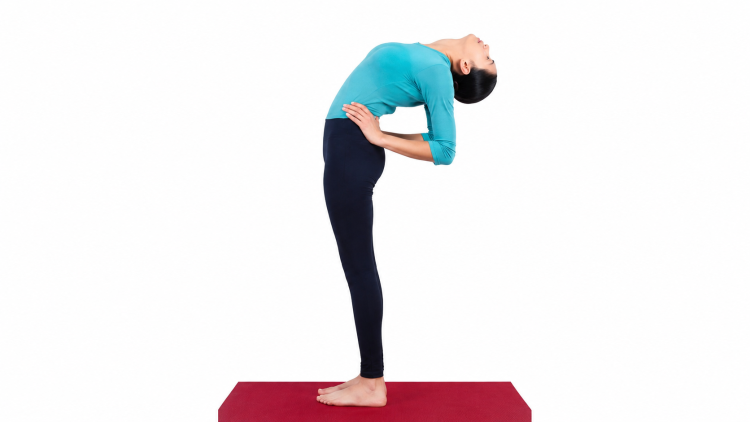
Office Health deserves attention, especially as long hours at desks have become routine for people working on computers and laptops. Many employees remain seated for most of the day, often moving only during lunch or when their work requires them to leave their desks. Over time, this sedentary pattern can contribute to back discomfort, neck stiffness, tired eyes and reduced physical activity. It may also affect long-term health when combined with poor eating habits, smoking and insufficient exercise.
The good news is that maintaining a healthier routine does not necessarily require major changes to the working day. A few practical adjustments to posture, movement, screen use and hydration can make office life more comfortable and active.
Why sitting for long hours can affect your health
The human body is designed to move regularly, but desk-based work often limits everyday activity. Spending much of the day sitting can make it harder to maintain a healthy weight and is associated with a higher risk of conditions such as type 2 diabetes and cardiovascular disease, particularly when overall physical activity is low.
Prolonged sitting can also place strain on the neck, shoulders and lower back, especially when a workstation is poorly arranged. Looking at a screen for extended periods may lead to dry or tired eyes, headaches and difficulty focusing. These problems do not affect everyone in the same way, but they are common reasons to reconsider daily workplace habits.
Take short movement breaks during work
One of the simplest ways to interrupt long periods of sitting is to get up regularly. Stand, walk around the office or stretch gently between tasks. Even brief movement breaks can reduce uninterrupted sitting time and help prevent the stiffness that may develop after remaining in one position for too long.
Where practical, walk to a colleague’s desk instead of sending a message, take the stairs for a few floors or use part of your lunch break for a short walk. A brief stroll after eating can also add movement to an otherwise sedentary day.
These small activities are useful, but they should complement regular exercise outside working hours rather than replace it.
Set up your workstation to support good posture
The way a desk is arranged can influence comfort throughout the day. Sit with your back supported by the chair and keep your feet flat on the floor, using a footrest if necessary. Adjust the monitor so that the screen is roughly at eye level and positioned at a comfortable viewing distance.
Keep your keyboard and mouse close enough to avoid repeatedly reaching forward. Your shoulders should remain relaxed, and your elbows should be comfortably positioned while typing. Avoid staying in one posture for hours; even a well-designed workstation cannot remove the need for regular movement.
Follow the 20-20-20 rule for screen breaks
Long periods of screen use can make the eyes feel dry, strained or tired. The 20-20-20 rule is a simple reminder to look away from the screen every 20 minutes, focus on an object around 20 feet away and continue looking at it for at least 20 seconds.
Blinking regularly and adjusting screen brightness to suit the surrounding light may also improve visual comfort. If eye discomfort, blurred vision or headaches continue, consider getting an eye examination.
Stay hydrated and make better food choices
Keep drinking water throughout the day instead of waiting until you feel very thirsty. Individual fluid needs vary according to activity, weather and health conditions, but regular access to drinking water can make it easier to maintain hydration.
Try to choose balanced meals and snacks rather than relying frequently on highly processed foods or sugary drinks. Smoking is another important risk factor for several serious health conditions, so seeking support to quit can benefit long-term health.
Make regular exercise part of your routine
Workplace movement is only one part of staying healthy. General recommendations for adults include at least 150 minutes of moderate-intensity physical activity each week, along with muscle-strengthening activities on two or more days.
Walking, cycling, swimming or other activities that suit your fitness level can help build a consistent routine. The key is to avoid allowing office work to take up nearly the entire day without movement.
A healthier workday does not depend on one major lifestyle change. Regular breaks, comfortable posture, sensible food choices, adequate hydration and exercise can collectively support better well-being. If back pain, neck discomfort or other symptoms persist, consult a healthcare professional for appropriate advice.