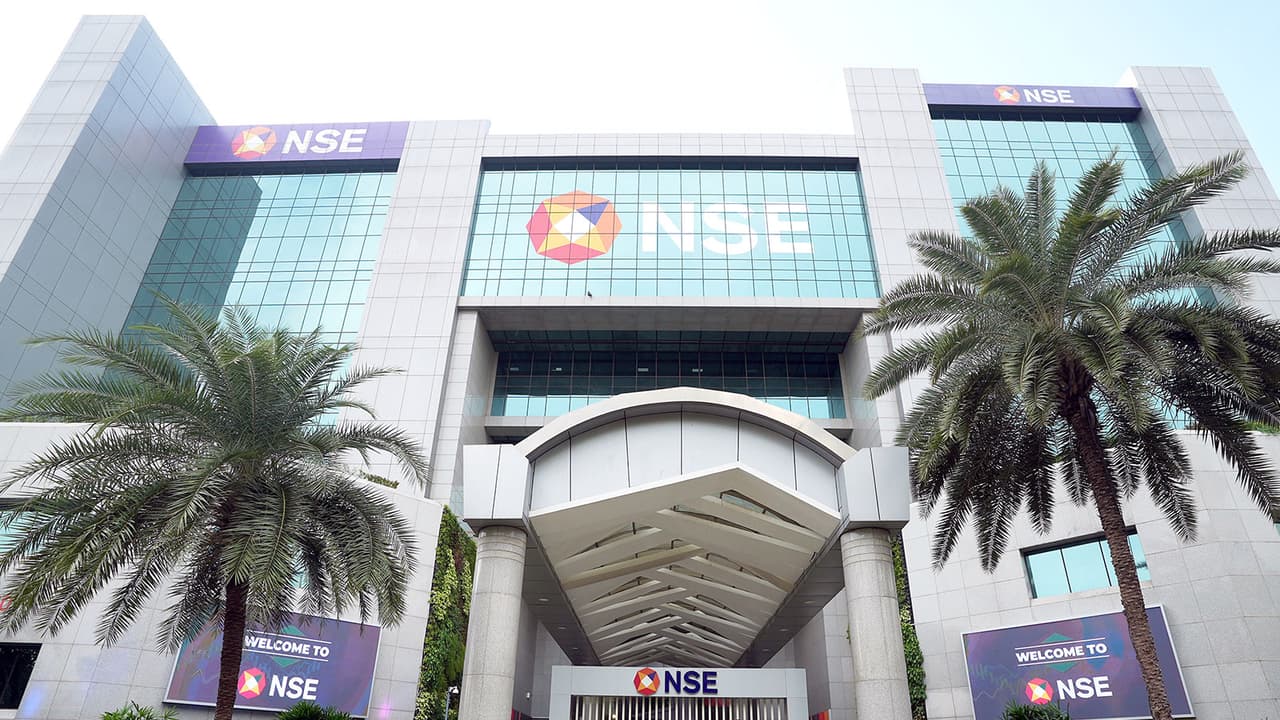
The National Stock Exchange achieved record trading volumes in Electronic Gold Receipts (EGR) during the Dhanteras festival, marking a significant shift toward regulated, dematerialized gold ownership and mobilizing domestic gold resources.
NSE Sets New Milestone for Electronic Gold Receipts
The National Stock Exchange of India (NSE) registered its highest-ever trading volumes in the Electronic Gold Receipts (EGR) segment on the occasion of Dhanteras, marking a major milestone for the country’s organised bullion market. Festive trading in the exchange-traded instrument touched 2,27,692 units, establishing a new record for the segment, according to the NSE.
The festive period, traditionally marked by the purchase of precious metals, generated fresh demand for EGRs from participants across the country. Active gold suppliers took part in the segment to meet this festive interest, which also resulted in the significant creation of new receipts on NSE.
Understanding the Benefits of NSE EGRs
NSE EGRs provide investors with an exchange-traded, dematerialised form of holding gold, combining the intrinsic value of physical gold with the transparency, security, and efficiency of the securities market ecosystem. The instrument functions under regulatory oversight with standardised clearing and settlement mechanisms, contrasting with several digital-gold platforms that operate outside the regulated framework. The instrument also serves as a route to mobilise domestically available physical gold, including recycled supplies, into the formal financial system.
Shift in Gold Ownership Trends
Sriram Krishnan, Chief Business Development Officer at the NSE, said, “Dhanteras is a celebration of wealth, prosperity and the enduring value of gold. Traditionally, the purchase of physical gold has been an integral part of this celebration. However, the way we own and hold gold is evolving with changing times,” Krishnan said.
He elaborated on the structural shift the product provides to domestic market participants looking for regulated holding mechanisms. “NSE EGRs offer an opportunity to retain the intrinsic value of gold in a more efficient, transparent and secure form, without necessarily holding the physical metal. NSE EGRs represent an evolution in gold ownership as the value of gold remains the same irrespective of whether it is held physically or in dematerialised form,” he stated.
Krishnan also addressed the macroeconomic aspects of moving physical holdings into exchange-traded formats. “More importantly, by encouraging the conversion of domestically available and recycled gold into NSE EGRs, we can help mobilise India’s existing gold resources, strengthen the organised gold ecosystem and potentially reduce our dependence on gold imports,” he noted.
Highlighting the response received on the trading day, Krishnan pointed to the wider shift in participant preference across the domestic securities landscape. “The record volumes and EGR creation witnessed on Dhanteras are encouraging indicators of the growing acceptance of this instrument. We are certain that more investors and market participants will embrace NSE EGRs as a modern, regulated and efficient way of participating in India’s gold market,” Krishnan added.
The milestone reinforces NSE’s broader focus on building regulated market products that align with shifting investor requirements while developing the domestic gold market infrastructure.
(Except for the headline, this story has not been edited by Asianetnews Editorial staff and is published from a syndicated feed.)