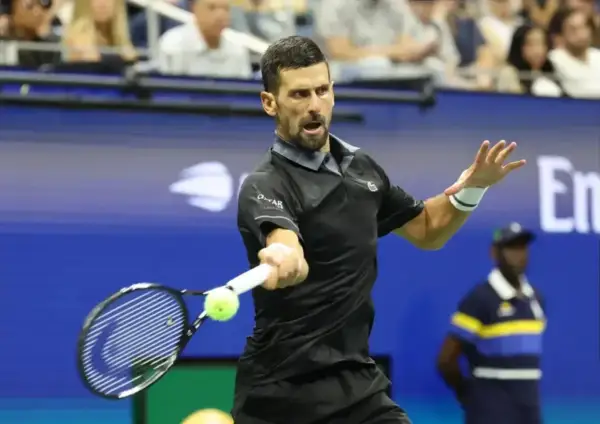
Novak Djokovic Reignites Influence in Tennis Power Play with Grand Slam Player Council Role
Novak Djokovic’s re-entry into the frontline of tennis politics underscores a strategic resurgence that dashes any immediate retirement rumours.
The 24-time Grand Slam champion has joined the newly formed Grand Slam Player Council, a body created amid escalating tensions over prize money distribution at the sport’s most prestigious events. This move positions Djokovic not just as a competitor but as a pivotal force in shaping the future financial landscape of tennis.
The Grand Slam Player Council emerged as a decisive response to mounting player unrest, which had nearly culminated in a boycott of major tournaments. While prize money has surged in recent years, top players argue that their share of tournament revenues remains disproportionately low. Despite debates over the distinction between revenue and profit, the council represents a collective effort to foster dialogue between players and tournament organisers. Alongside Djokovic, prominent figures such as Aryna Sabalenka, Elena Rybakina, Jessica Pegula, Iva Jovic, Elina Svitolina, and Maria Sakkari are key members, reflecting a united front across both the men’s and women’s games. Male players including Alexander Zverev, Ben Shelton, Felix Auger-Aliassime, Lorenzo Musetti, and Arthur Rinderknech also feature on the council.
Djokovic’s return to a leadership role follows his previous tenure as president of the ATP Player Council and his founding involvement in the Professional Tennis Players Association (PTPA). However, he distanced himself from the PTPA’s legal confrontations with tennis authorities, signalling a nuanced approach to governance disputes. Earlier this year, Djokovic notably refrained from joining the vocal push for increased prize money, opting instead for cautious diplomacy. “Players know that they’ll always have my support, and that’s all,” Djokovic told reporters, highlighting his longstanding backing for players without directly engaging in ongoing meetings. He praised Sabalenka’s leadership, stating, “I salute that. That’s true leadership for me,” while acknowledging the complex “conflict of interest” issues at the heart of tennis politics.
This fresh appointment to the Grand Slam Player Council not only amplifies Djokovic’s influence but also signals his enduring ambition on the court at 39 years old. His involvement lends significant credibility to the council’s efforts, reinforcing the players’ collective bargaining power. Known for his forthrightness, Djokovic’s voice is unlikely to be muted in this renewed campaign for a stronger player position in the tennis ecosystem.
By stepping into this new role, Djokovic confirms that his competitive and leadership drive remains undiminished, setting the stage for continued impact both on and off the court. The tennis world now watches closely as the Grand Slam Player Council, bolstered by one of the sport’s most formidable icons, prepares to challenge the status quo.