At the outset, Additional Solicitor General Aishwarya Bhati, appearing for CAQM, submitted before the Chief Justice Surya Kant-led Bench that the Commission has filed a detailed report carrying proposed long-term measures, short-term measures and specified the proportionate contribution of each factor-vehicular pollution, industry, dust, biomass burning, farm fires, MSW, residential waste, secondary particulate-in polluting Delhi/NCR.
ASG Bhati also informed the Bench that agencies have been identified which can provide an Environment Compensation Charge (ECC) fund to ensure the smooth implementation of the measures. “More ECC (Environment Compensation Cess) may be generated… find ways and means… and that which is lying unused be utilised to implement short-term and long-term measures suggested by CAQM,” directed CJI Surya Kant.
At 23% in winter and 19% in summer, the CAQM report said vehicular emission was the biggest source of air pollution.
Secondary particulate (which includes gaseous emission from transport, industries and biomass burning-27%) and biomass burning (which includes stubble burning-20%) has been identified as the 2nd and 3rd biggest source of pollution by CAQM.
Long-term measures suggested by CAQM for abating air pollution caused by the vehicular sector:
Time-bound phasing out of polluted vehicles from Delhi-NCR based on emission potential of each category of vehicles.
NCR States / GNCTD to either ensure scrapping of such vehicles or facilitate transfer of such vehicles outside NCR so that such polluting vehicles do not ply in Delhi-NCR.
Strengthening of PUC 2.0 and monitoring of on-road vehicles with remote sensing devices for advanced emissions surveillance.
Augmentation of Regional Rail Transport and Metro Rail network with more lines and stations in Delhi and NCR. Development of multi-modal transport hubs connecting Metro, RRTS.
Long-term measures to deal with stubble burning:
Purchasing of new CRM machines to cater to the need of farmers during peak harvesting season as per the assessment of the States and making these machines available to small and marginal farmers free of charge.
Strengthening the supply chain for ex-situ management of stubble to ensure year-round feedstock availability for industries and energy plants through balers and aggregators.
Promoting establishment of plants for ex-situ utilization of stubble (pellet/ briquette manufacturing units, CBG/ 2G ethanol plants, biomass power generation plants, industrial boilers, etc.).
Improving detection and monitoring of paddy stubble burning through satellites and other means of surveillance and strengthening enforcement at field level.
All stakeholders to submit suggestions, objections, how to implement plans… more long-term measures can also be suggested… reduce congestion at border entry points… Ministry of Transport tell us why these measures cannot be implemented without delay… MCD, governments of neighbouring states also come up with suggestions, said SC.
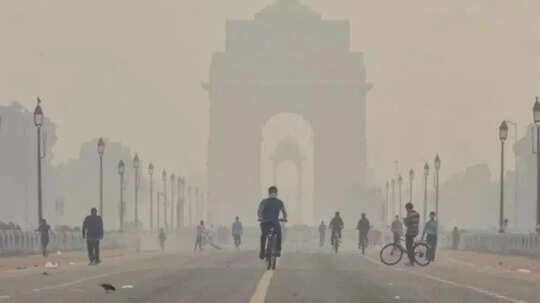
Not Farm Fires, Vehicular Emission Biggest Contributor To Delhi/NCR Po
The Supreme Court on Wednesday directed the Commission for Air Quality Management (CAQM) to initiate steps to implement long-term measures identified by it by giving requisite directions to Delhi/NCR state govts and file a status report within 4 weeks.