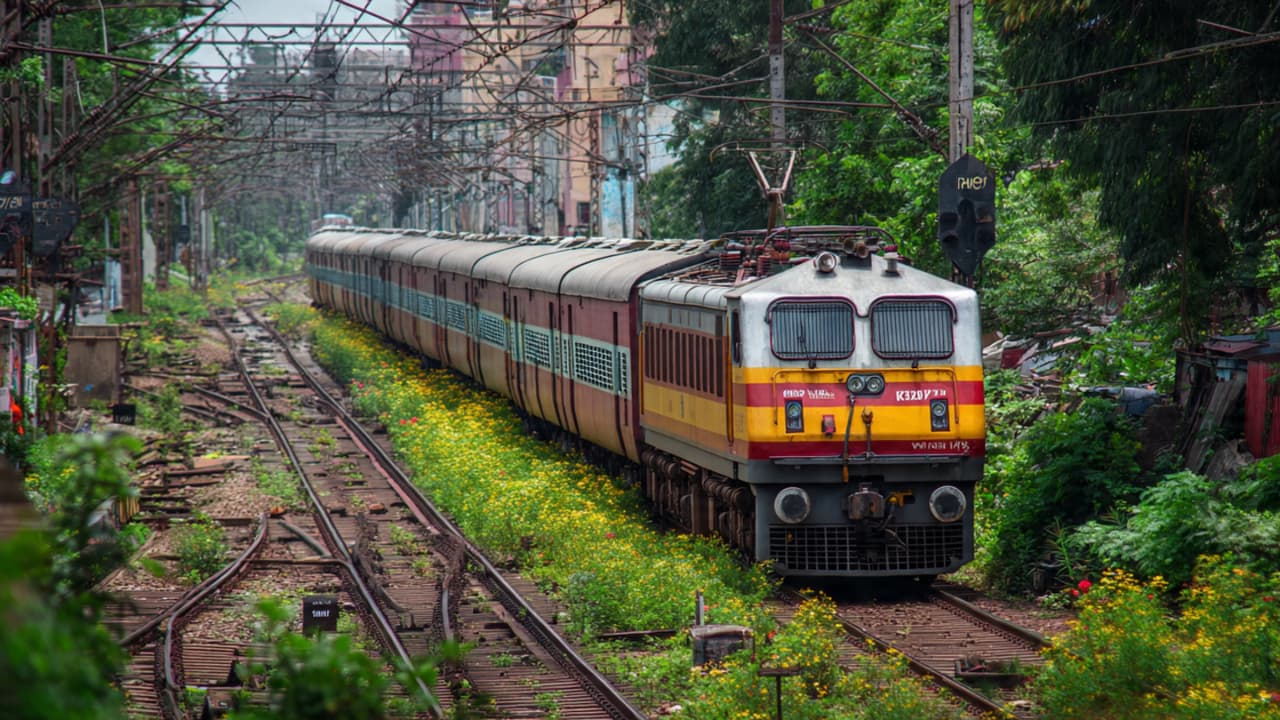
India’s Bhakra-Nangal train has been providing free travel for 75 years. It runs 13 km between Nangal in Punjab and Bhakra in Himachal. This train, which started for the dam construction, now serves tourists and local people as a heritage.
Bhakra-Nangal Train: The most popular means of transportation in India is railways. India’s railway network is one of the largest networks in the world. Every day thousands of passengers travel by train. Low cost and comfortable travel are the specialties of train journeys. But, would you believe if we say that there is a train in India which provides free travel? Yes, this is absolutely true.
Train passes over beautiful river and hills
The Bhakra-Nangal train, which runs between Nangal in Punjab and Bhakra in Himachal Pradesh, offers free travel. This train, covering a distance of 13 kilometres, passes over the beautiful Sutlej river and Shivalik hills. This train was initially used to transport workers and materials for the construction of the Bhakra-Nangal Dam. The specialty of this train, which started in 1948, is that there has been no change in its operation for the last 75 years. In 1953, diesel engines brought from America were installed in it. This train consumes about 18 to 20 liters of diesel every hour. In between, the Bhakra Beas Management Board (BBMB) had considered introducing ticketing, but out of respect for the heritage of the train, it was decided to keep it free.
More than 800 people ride the train for free every day.
According to statistics, more than 800 people use this train every day. Its specialty is that travelers can see the views of the Bhakra-Nangal Dam, one of the highest dams in India, and the beautiful Shivalik Hills. Although the train was used to transport workers, engineers, and materials during the construction of the dam, as the project was completed, it began running for free as a service to dam employees, locals, and tourists. What is even more interesting is how this train continued to run despite the changes taking place over the decades. Governments changed, policies evolved and the railway system modernized, but this one train service continues today without any change.