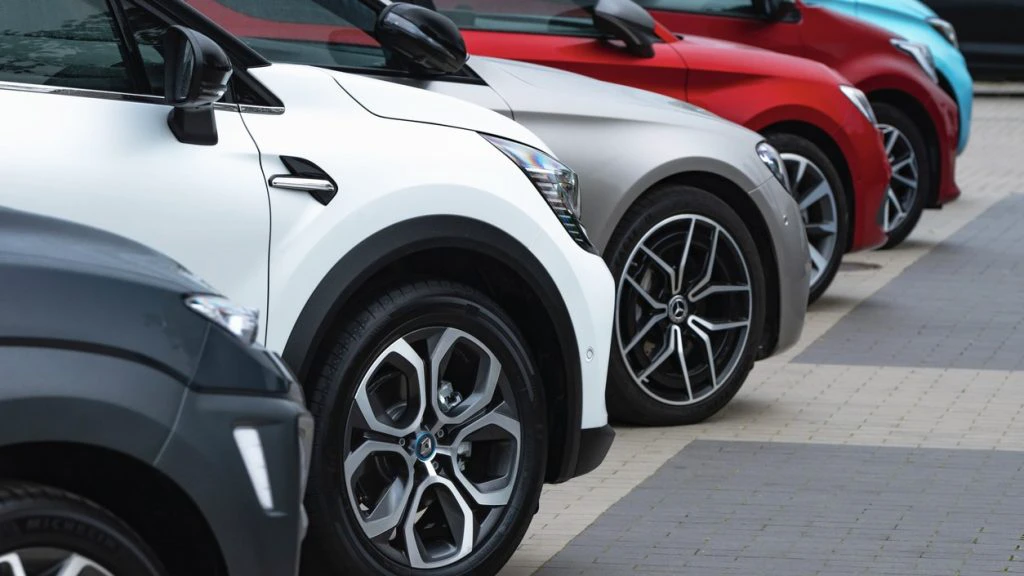
Synopsis: The Telangana government has announced that new fully built non-transport vehicles, such as motorcycles and cars, can now be registered directly at authorised dealership showrooms, eliminating the need for buyers to visit RTA offices.
Registration Certificates will be delivered to buyers’ homes by speed post.
In a move aimed at easing the often cumbersome process of new vehicle registration, the Telangana government has announced that vehicles can now be registered directly at dealership showrooms, eliminating the need for owners to visit Regional Transport Authority (RTA) offices.
Under the new system, the Registration Certificate (RC) will be dispatched to the owner’s home by speed post. The decisions, announced in an official memo on Thursday, 8 January, applies to fully built non-transport vehicles-such as motorcycles and cars-purchased from authorised dealers.
The initiative aligns with Rule 48-B of the Central Motor Vehicles Rules, 1989, and is expected to come into effect within two weeks.
It builds on existing practices under which documents such as driving licences are already delivered by post, but extends this system to vehicle RCs for the first time in a comprehensive manner.
Officials said that taxes and registration fees remain unchanged, ensuring no additional financial burden on buyers.
How the new system will work
Under the new system, vehicle dealers will handle the entire permanent registration process on behalf of buyers at the showroom itself.
Buyers will no longer need to endure long queues or make multiple trips to RTA offices, a process that earlier involved temporary registration followed by permanent approval.
Instead, dealers will submit applications online through the Sarathi portal or a dedicated state-developed software platform, which will be operationalised within 15 days.
The required documents for registration remain standard but are now digitised for seamless processing. These include the vehicle invoice, Form-21 (Sale Certificate), Form-22 (Road Worthiness Certificate), a valid insurance policy, proof of address, a declaration of no prior vehicle ownership under the same name, if applicable, scanned photographs and signatures of the buyer, and images of the engine and chassis numbers.
Dealers will upload these documents directly, after which a transport official will scrutinise the application remotely. Once approved, a unique registration number will be allotted, and the smart RC card will be printed and sent by speed post to the registered address.
However, strict oversight mechanisms have been put in place.
Vehicle Inspectors, RTOs, Deputy Transport Officers, Joint Transport Commissioners and the Transport Commissioner are authorised to conduct surprise inspections at dealerships to verify vehicle stocks and compliance with rules.