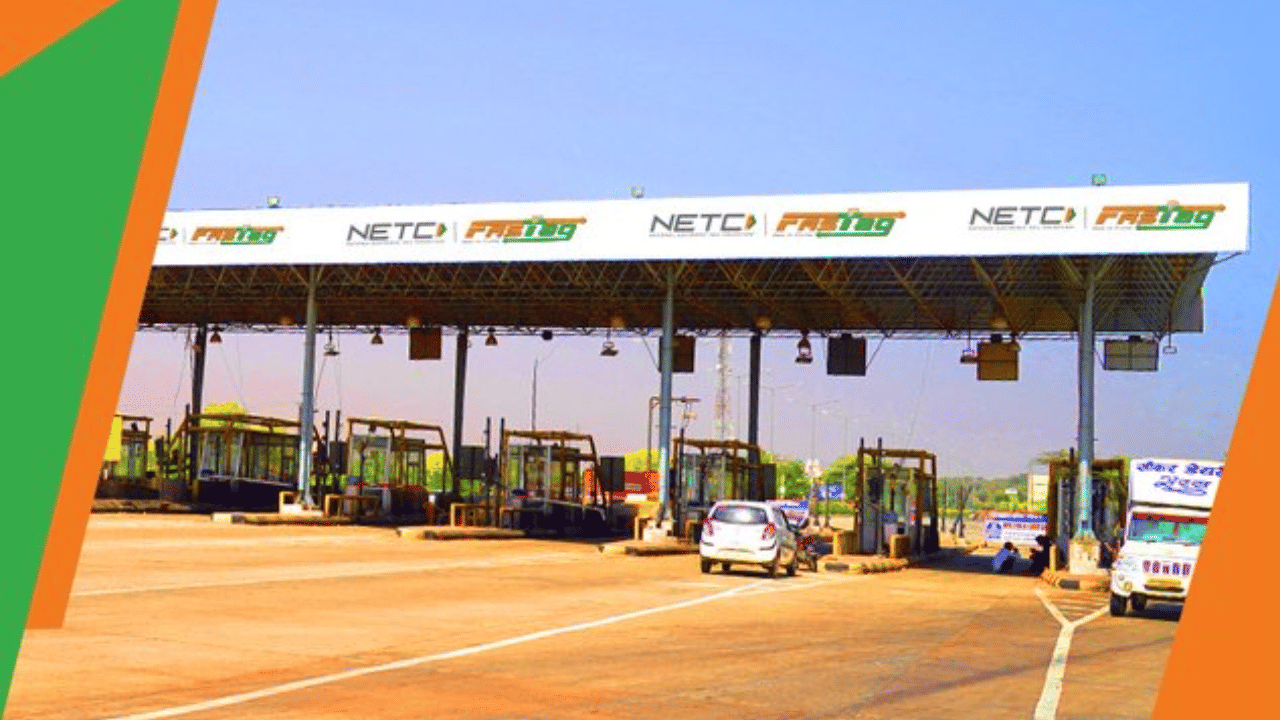
New Delhi: The Ministry of Road Transport and Highways (MoRTH) has said that cash payments at toll plazas will stop from April 10, 2026. After this date, all toll payments will have to be made digitally, mainly through FASTag or UPI. The idea behind this move is to reduce long queues at toll booths and make highway travel faster and smoother.
This step is also part of a larger push toward fully digital toll collection across national highways and expressways. According to the officials, if they remove cash transactions it will help avoid delays and improve traffic flow, especially during peak travel hours.
No FASTag? Here’s what happens
If a vehicle does not have a valid FASTag, it will still be allowed to pass the toll plaza, but the driver will have to pay 1.25 times the normal toll fee using UPI. If the driver refuses to pay, authorities can deny entry under Rule 14 of the National Highway Fee Rules, 2008.
In cases where vehicles pass through without paying and are recorded by cameras or RFID systems, an e-notice will be sent to the owner. The owner must then pay the regular toll amount within three days. If they fail to do so, they may have to pay double the toll fee.
Changes in toll exemptions and future plans
The government also wants to stop misuse of toll exemptions by officials using ID cards for personal travel. Instead, departments are being asked to switch to “Exempted FASTags” or annual FASTag-based passes. These exemptions will apply only to official use, not personal trips.
At the same time, the National Highways Authority of India (NHAI) is working on a new toll system called multi-lane free-flow tolling. In this system, vehicles won’t need to stop at toll plazas. Cameras and RFID readers will automatically detect vehicles and deduct toll charges while they are moving. If a vehicle does not have a valid FASTag, an e-notice will be issued in such cases as well.