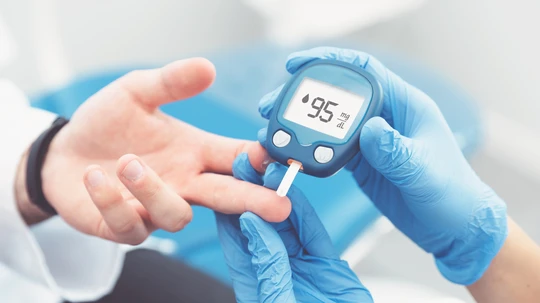
Diabetes, especially type 2, has quietly grown into one of the biggest health worries of our time. The condition develops when the body can’t make enough insulin or stops responding to it properly, leaving too much sugar in the blood.
By 2025, the number of adults living with diabetes had reached nearly 589 million, which is hard to imagine until you realise that works out to roughly one in every nine adults. Obesity plays a huge part in this spike-carrying excess fat just makes it tougher for your body to manage glucose.
Now, researchers at Harvard have uncovered a surprising new way these two issues are linked. Instead of looking at just food, exercise or blood-sugar levels, the researchers turned their attention to the gut – and what it sends to the liver.
A New Angle on Metabolism
According to the findings, the liver acts almost like a central switchboard. It receives chemical compounds made by gut bacteria, processes them and then passes them on to the rest of the body. These tiny chemical messages shape everything-how the body stores fat, how it handles insulin, you name it. So, when we talk about treating diabetes or obesity down the road, it’s not just about curbing hunger or dropping blood sugar. It could involve adjusting the signals that travel from the gut to the liver.

In simple terms, the study suggests a more complete way to manage both conditions – not just from the outside, but by improving how the body’s own systems talk to each other.
What the Researchers Found
The team studied mice with different genetic backgrounds. Some were naturally resistant to diabetes and obesity, while others developed problems when given a high-fat diet. The differences between them were striking.
Healthy mice had more than 110 gut-derived metabolites flowing through the portal vein, which connects the intestine to the liver. In the mice that were genetically prone to diabetes and obesity, those helpful compounds dropped sharply when fed high-fat food. This suggests that genes and diet influence which microbial products reach the liver, and as a result, how well the body manages its metabolism.

The researchers then tested certain metabolites in liver cells. One of them, called mesaconate, helped improve the way the cells handled insulin and fat. That means the gut has a far bigger role in metabolic health than previously thought.
A Step Beyond Older Research
Earlier studies had already shown that people with type 2 diabetes often have different gut bacteria than those without the condition. In 2024, Harvard researchers also found that some bacterial strains were consistently linked to higher diabetes risk around the world. But those studies didn’t show how the bacteria actually influenced the disease.
This new research does. It identifies the exact compounds involved and follows their movement inside the body, giving scientists a clearer direction for future treatment.
What This Could Mean for Treatment
Right now, managing diabetes or obesity usually means focusing on diet, exercise, blood sugar meds, or weight-loss therapies. But this study points in a different direction: what if we could create treatments that amplify or mimic the beneficial metabolites produced by gut bacteria?
If researchers can nail down which gut-derived compounds actually protect against insulin resistance or help the liver run smoothly, new medications or nutrition plans could help reset metabolism at a deeper level.
It’s still early, but the idea feels genuinely promising. And this could end up changing how we tackle two of the world’s biggest health issues.