Voting has commenced in Nepal’s high-stakes snap election, triggered by a ‘Gen Z movement’. Voters are calling for fresh leadership to tackle political instability and corruption, hoping for systemic reform and a stable government.
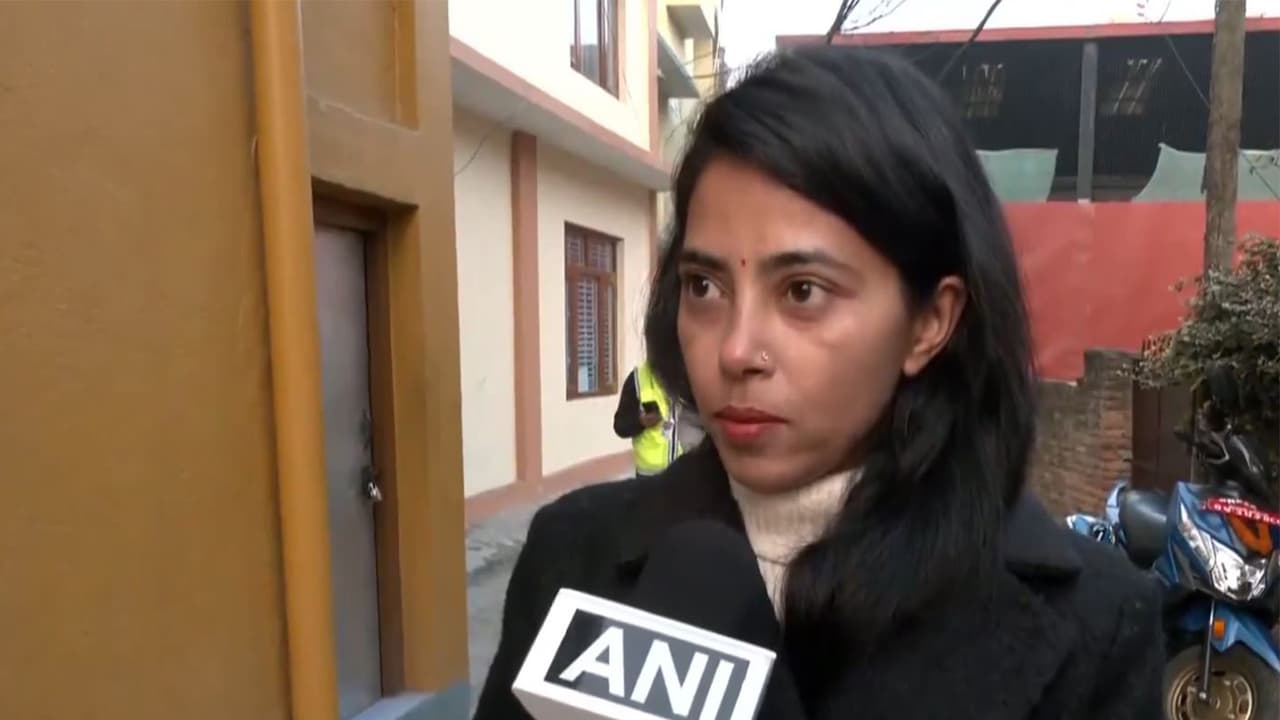
Voting for Nepal’s 2026 general election officially commenced on Thursday morning, with citizens arriving at polling stations like the Annapurna Vinayak School in Kathmandu to cast their ballots. The atmosphere reflected a mix of civic duty and a desire for structural change, as voters expressed a need for fresh leadership and systemic reform. “We want a good candidate to win, we support our young generation. The main issue in Nepal is political instability and we want stability and the issue of corruption to be resolved,” one voter remarked while speaking to ANI.
Background to the Snap Election
This high-stakes snap election was triggered by the massive “Gen Z movement” in September, which ousted the KP Sharma Oli-led coalition and led to the dissolution of the House of Representatives. Following a report by The Kathmandu Post, the Election Commission, under the administration of Sushila Karki, has finalised all measures to establish an elected government after a six-month interim period. It was Karki’s initial executive act on September 12 to suggest the lower house’s dissolution to President Ramchandra Paudel, who then mandated the March 5 polling date.
Election Commission Assures Fair Polling
“All the arrangements for free, fair, transparent and peaceful elections are in place,” stated acting chief election commissioner Ram Prasad Bhandari. He “urged everyone to exercise their franchise without fear” during the 10-hour voting window from 7 am until 5 pm.
Election by the Numbers
The Kathmandu Post highlighted that 18,903,689 voters are registered to decide the fate of 6,541 candidates vying for the 275-seat House of Representatives. This electorate sees an increase of 915,119 voters since 2022, with 52 per cent belonging to the 18-40 youth demographic.
Candidate Demographics
Of the candidates, 3,406 are competing under the first-past-the-post (FPTP) system and 3,135 through proportional representation. Within the FPTP category, 65 parties have fielded 2,263 contenders for 165 seats, while 1,143 individuals stand as independents. Demographic data reveals that direct elections feature 3,017 male and 388 female candidates, with only one representative from the sexual and gender minority community. The Kathmandu Post noted that most candidates are over 41 years old, while only 201 are 30 years or younger.
Security Measures in Place
To ensure safety across 10,963 polling stations, 341,113 security personnel have been deployed, including 149,000 “election police” hired temporarily. A Security Council meeting led by Prime Minister Karki on Wednesday determined that arrangements are sufficient to ensure a transparent process. “No force can disrupt the election,” Bhandari asserted, expecting high youth engagement to boost turnout.
Ballot Collection and Result Timeline
The commission is also prioritising logistics in difficult terrain. “Our effort will be to collect the ballot boxes from the hill regions as quickly as possible. If feasible, they will be transported by helicopter,” Bhandari said. He added that officials expect to “publish the results of the first-past-the-post vote within 24 hours after vote counting begins.”
(Except for the headline, this story has not been edited by Asianet Newsable English staff and is published from a syndicated feed.)