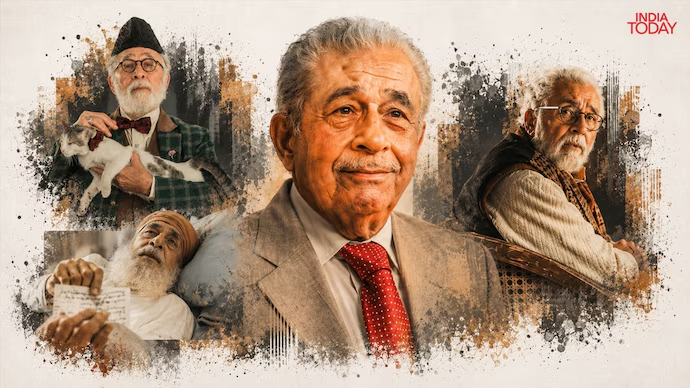
What keeps a 75-year-old actor not just relevant, but quietly commanding lead roles across a poet’s longing, a titan’s wisdom, and a Partition survivor’s fractured memory? Naseeruddin Shah answers that in 2026, and beyond, with three layered performances in Gustaakh Ishq (2025), Made in India: A Titan Story (2026) and the soul-stirring Main Vaapas Aaunga (2026) that remind us why craft outlasts trends.
He continues to prove that relevance isn’t measured by screen time or trending clips, it’s earned through craft that demands attention. At 75, the veteran isn’t coasting on legacy; he’s delivering performances that breathe life into stories with rare emotional honesty, showcasing why filmmakers still queue up for him.
The Titan whisperer
Have you ever wondered what it takes for an actor to make boardroom conversations feel profoundly human, turning a corporate legacy into something intimately alive? Central to this resurgence is his portrayal of JRD Tata in Made in India: A Titan Story. Shah doesn’t just play the industrial icon — he embodies the quiet authority and hard-earned wisdom that anchored one of India’s boldest entrepreneurial bets. Opposite Jim Sarbh’s restless Xerxes Desai, Shah’s JRD offers measured counsel laced with paternal gravitas, turning corporate boardrooms into spaces of profound human insight. land with the weight only Shah can deliver, reframing setbacks not as shame but as soil for growth.
This isn’t Shah’s first brush with Parsi characters. Decades after his nuanced turn as the introspective Phirojshah in Pestonjee (1987), he slips back into that cultural skin with effortless authenticity, reminding us of his rare ability to inhabit worlds with lived-in texture.
Versatility unbound
Can a single actor convincingly shift from poetic longing to fractured memory within months, carrying entire emotional arcs on subtle pauses alone? In Gustaakh Ishq (2025), where Shah plays the reclusive Aziz Baig, he brings a commanding presence as an Urdu poet passionately devoted to literature and language — a portrayal so relatable it cuts through any narrative cliche. His screen presence exudes raw realism and conviction, making the character feel lived rather than performed.
It echoes the iconic characters he breathed life into earlier — the poet-turned-traitor Gulfam Hasan’s restrained intensity in Sarfarosh (1999) and the timeless Mirza Ghalib (1988) on television, a performance still remembered as one of his most memorable. Beyond bringing the legendary poet alive, Shah quietly revealed Ghalib’s private pain — the loss of loved ones, the anguish over a society where ethical values and humanity seemed to collapse.
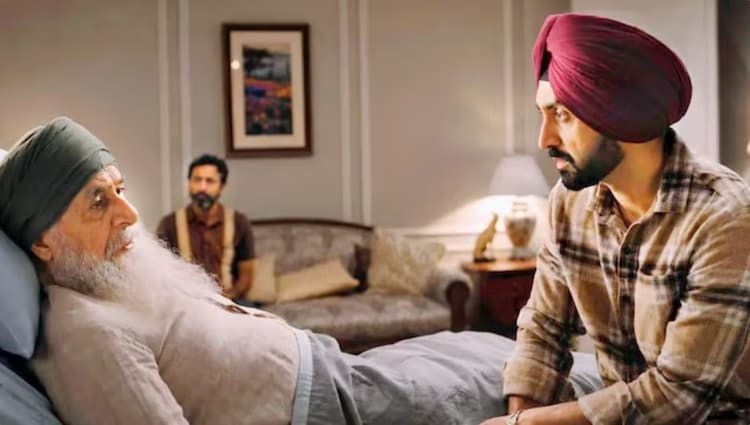
Then comes of memory, love, and belonging. As the dementia-stricken elderly Ishar Singh Grewal, Shah delivers a layered portrait of a man whose mind is slowly unravelling. He makes you feel the character’s deep loneliness, fleeting moments of lucid tenderness, simmering confusion, quiet dignity, and heartbreaking vulnerability all at once.
Through subtle tremors in his voice and eyes that drift between past and present, Shah captures the terrifying fragility of memory itself — how it both comforts and betrays. You sense the weight of a lifetime spent searching for home across borders, now reduced to half-remembered fragments. You leave the film unsettled by the quiet tragedy of a life slipping away, carrying both deep empathy and a lingering ache long after the credits roll. And it is Shah who makes that pain and heartbreak feel so intimate, as though it were unfolding within you.
A Morgan Freeman of Indian cinema?
The parallel holds, and it touches something deeper about what age can bring to an actor who has truly lived. Like Morgan Freeman, whose voice carried the quiet ache of hope in The Shawshank Redemption (1994), the moral weight of darkness in Se7en (1995), the bittersweet reflection on life in The Bucket List (2007), and the heartbreaking choices of mentorship in Million Dollar Baby (2004), Shah too has given us performances that stay with you long after the screen fades to black.
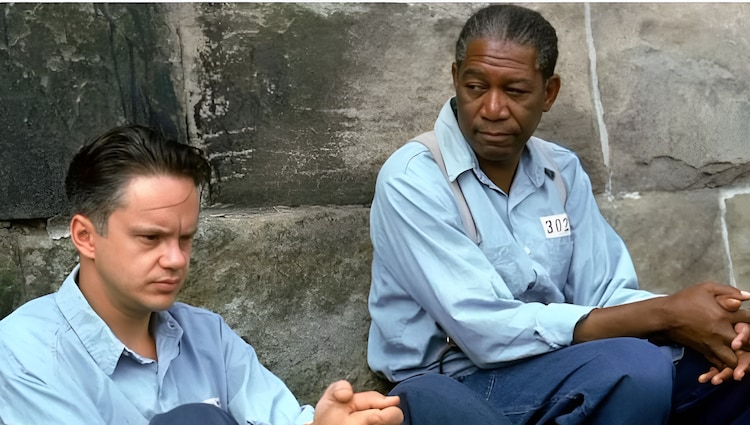
In Paar (1984), his raw, desperate humanity as the labourer mirrors Freeman’s quiet endurance and quiet hope in The Shawshank Redemption. The simmering rage and moral unravelling he brought to Albert Pinto Ko Gussa Kyon Aata Hai (1980) carries the same haunting darkness as Se7en. His tender, conflicted father in Masoom (1983) echoes the emotional honesty and quiet heartbreak of Million Dollar Baby, while the reflective wisdom of his JRD Tata in Made in India feels akin to the life-affirming warmth of The Bucket List. Both men have reached a point where directors don’t just cast them — they lean on them to give the story its soul. In an industry chasing noise, their brand of quiet authority becomes its own kind of revolution.
Shah’s filmography underscores extraordinary physical and emotional bandwidth. From the fiery intensity of Sarfarosh and A Wednesday (2008) to the poetic soul of Mirza Ghalib, his filmography has always been a masterclass in transformation. But it is in films like Sparsh (1980), Manthan (1976), Aakrosh (1980) and the tender Masoom in which Shah truly revealed the quiet power of his art — etching raw human fragility, moral dilemmas and unspoken pain with such honesty that the characters lingered long after the credits rolled. These were not loud performances; they were lived truths that reshaped how we saw the everyman on screen. Yet here he is, still stretching boundaries — a body of work that filmmakers trust because it delivers depth without demanding reinvention for its own sake.
At a time when the industry grapples with formulaic safety nets, Shah’s choices signal something vital: true longevity comes from embracing diverse challenges, not clinging to type. Whether voicing corporate wisdom, reciting verses, or conveying fractured memories, he proves that at 75, his hunger remains undimmed. Filmmakers want him because audiences still lean in when he speaks — and in that lean lies relevance that no algorithm can manufacture.
So, as these performances unfold, one can’t help but reflect: in an industry that often discards veterans, what does it say about Shah that he keeps being chosen to anchor stories that matter?