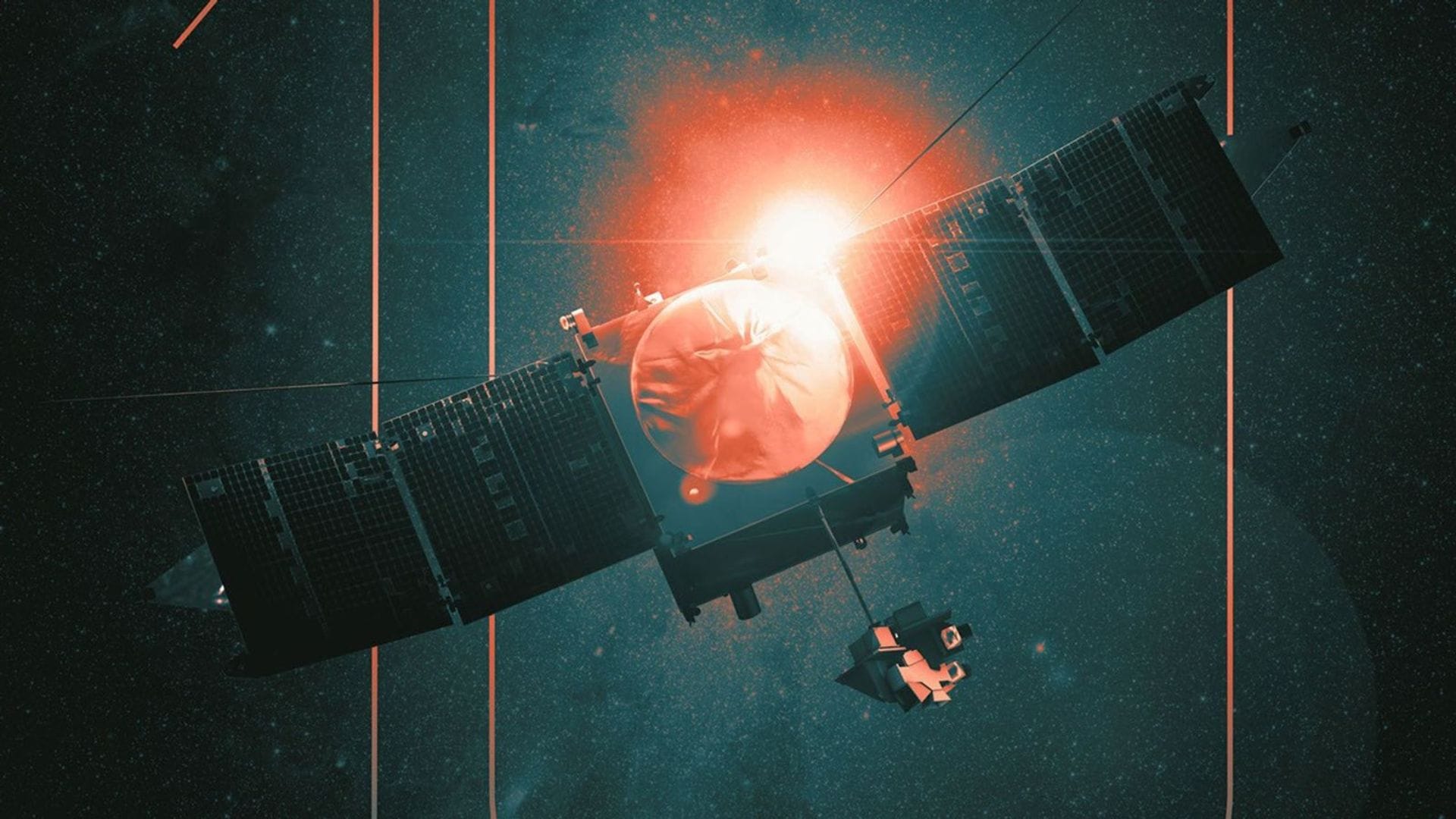
New Delhi: Last week, NASA revealed that it had lost contact with the MAVEN (Mars Atmosphere and Volatile EvolutioN) spacecraft after it emerged from behind Mars. NASA has been attempting to recover the spacecraft since then, but has not been able to reestablish contact. No spacecraft telemetry has been received since 4 December, but a radio science campaign captured a fragment of tracking data from 6 December. Careful analysis of the signal indicates that the MAVEN spacecraft was rotating when it emerged from behind Mars, and the frequency of the signal indicates that the orbital trajectory of the spacecraft may have been changed.
The ground teams are examining the data to better understand what could have happened to the spacecraft. MAVEN was launched in 2013 and entered into orbit around Mars in 2014, celebrating 10 years of science operations last year. The primary goal of the mission is to monitor the tenuous atmosphere of Mars, and track the influence of solar wind on the Red Planet. Although designed to observe the atmosphere of Mars, NASA recently repurposed the spacecraft to observe the interstellar comet 3I/Atlas. The initial blackout period was planned as part of regular operations of the orbiter, with NASA having to modify its operations on the Red Planet.
How MAVEN’s loss of signal impacts surface operations
The loss of signals to MAVEN has impacted operations of NASA’s rovers on the surface. Apart from MAVEN, NASA operates two other orbiters at Mars, the Mars Reconnaissance Orbiter and Mars Odyssey. These orbiters, along with ESA’s ExoMars orbiter also relay communications to and from the pair of NASA rovers operating on the surface, Curiosity and Perseverance. NASA had to modify the schedule of operations to make up for the loss of capabilities from MAVEN, with the remaining orbiters scheduled for additional passes. NASA has initially come up with a modified schedule for the next two weeks.