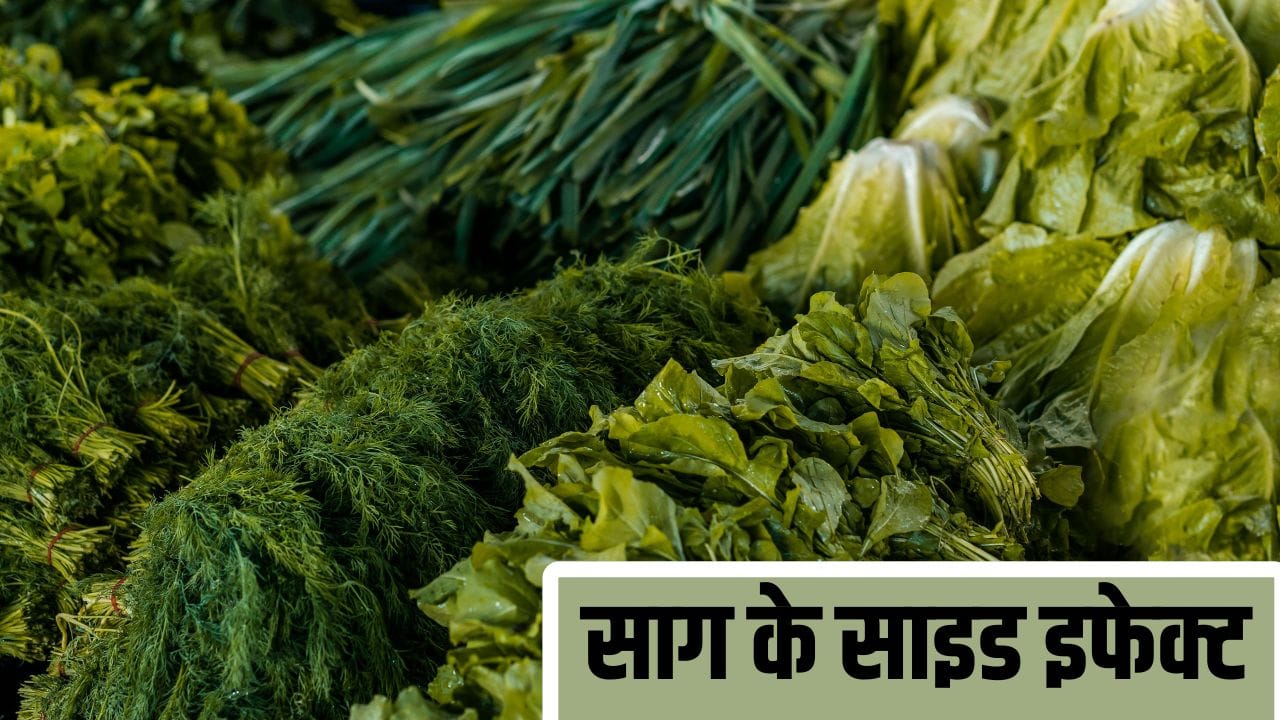
Disadvantages of eating greens dailyImage Credit source: Pexels
Mustard and other greens eaten during winter provide many benefits. But have you ever wondered what changes occur in the body if greens are eaten continuously throughout the winter or for 3 months. Does it have double the benefits for the body or are there any disadvantages? Many mistakes are made in eating winter superfood greens. Actually, apart from keeping the body warm in winter, extra energy is needed. Therefore, apart from green leafy vegetables like mustard, bathua, fenugreek and spinach, it is advised to eat jaggery and other things.
These things not only protect us from cold but are also effective in naturally reducing problems like joint pain and weakness. With these, our immune system becomes stronger and the digestive system also becomes healthy. Here we are going to tell you what happens to the body if you eat greens daily in winter. Senior dietitian Geetika Chopra answered this common question in a special conversation with TV9. Let us tell you….
Elements of greens. Nutrition of Saag
Mustard, gram, fenugreek and other leafy vegetables including bathua are eaten as greens in winter. These green vegetables contain many elements which make the body naturally strong. Leafy greens also contain iron, along with vitamin A, vitamin C and K. People who are anemic should also eat other leafy vegetables including spinach. Actually, Vitamin A is important for our eyes. With the help of Vitamin C, the immune system becomes stronger. Not only this, it also benefits our skin.

What happens if you eat vegetables daily? What happened to body if you eat saag daily
Senior dietitian Geetika Chopra says that mustard, bathua, fenugreek or gram greens are superfoods of winter because these green vegetables are full of nutrients. But nutrition science also says that eating any food daily or in large quantities throughout the winter is not beneficial. Greens have benefits and also potential disadvantages, so it is important to understand this. Talking about benefits, winter greens are rich in fiber, antioxidants, iron and folate. It is immunity supporting and improves digestion. With their help we are able to avoid seasonal infections. That is why traditionally greens are given so much importance in winter.
The expert further said, but when greens are eaten daily, some problems may also occur. Leafy vegetables like mustard, fenugreek and bathua also contain oxalates which can reduce the absorption of calcium. In such a situation, the risk of kidney stones may increase after a long time. More harm is caused to those people who have already suffered from kidney stones. These green vegetables also contain goitregens which can suppress thyroid hormone production when eaten raw or in excess.
damage to iron
The expert further said that there is a paradox in the case of iron also. There is iron in the ocean but oxalates bind it, due to which there is difficulty in absorbing this element. Apart from this, unless the greens are cooked properly and paired with Vitamin C. Taking heavy fiber load daily can also cause gas, bloating, cramps or diarrhea. Especially those who have IBS or sensitivity in gut health.
One important thing is dietary monotony. If you eat only greens every day throughout the winter, you may face deficiency of nutrients like protein, omega-3 fatty acids and zinc. All these are necessary for our muscles, hormones and immunity. Experts advise that greens are healthy but it is not necessary to eat it every day. It is best to eat it three times a week but make sure it is cooked properly. Also, Vitamin C must be paired with it. The golden rule of nutrition is – balance and variety.