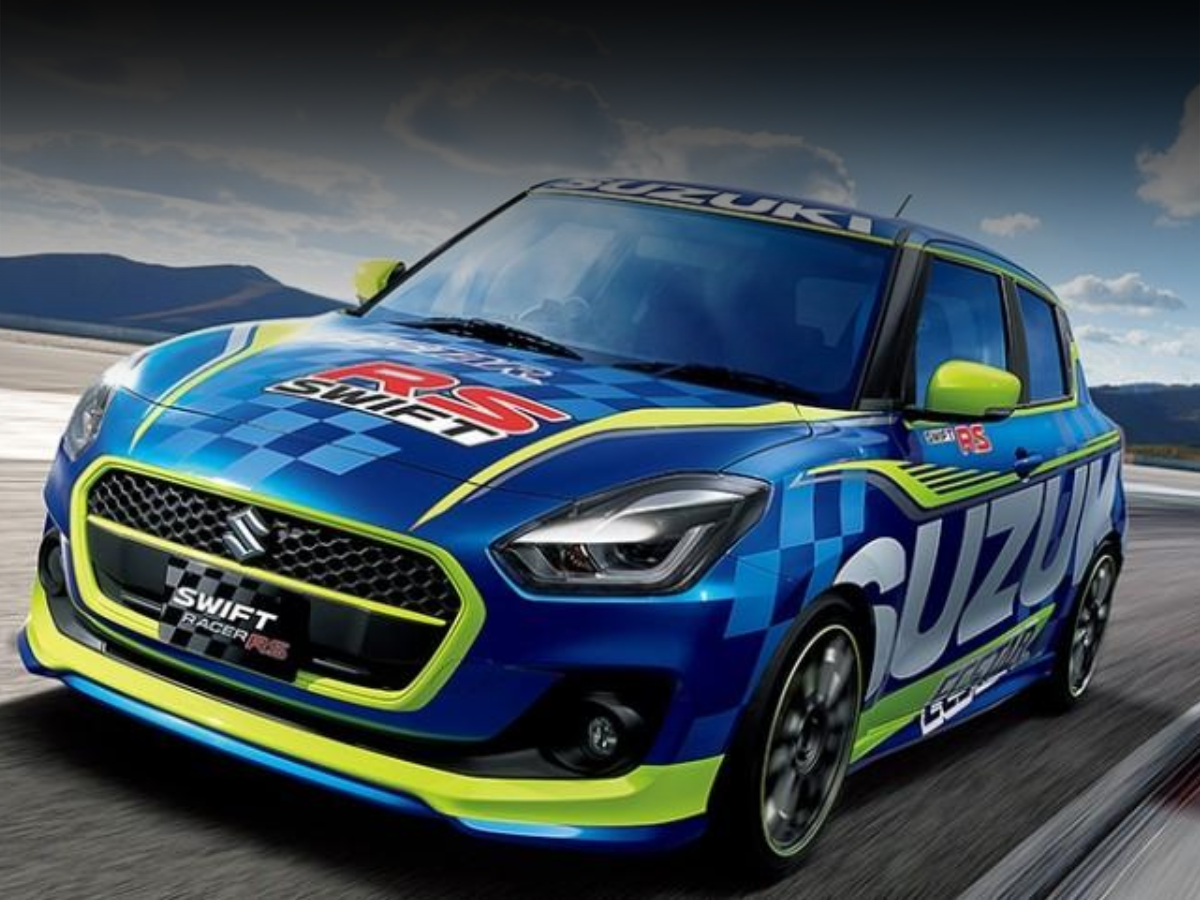
The Swift had earned a reputation as a quick little hatchback. Globally, it was offered in a Sport variant with more power and visual upgrades. However, the Swift on sale right now has lost a cylinder and makes less power than its previous 4-cylinder version. But Maruti Suzuki might launch the Swift with a new 1.2-litre turbo petrol engine soon to revive the sporty hatchback segment in India, or rather revive the spark in the Swift.
Suzuki 1.2-litre Turbocharged Engine

News from Japan says that Suzuki announced a new direct-injection turbo petrol engine program last week. It’s an all-new 1.2-litre engine that will produce 125 bhp and 230 Nm of torque; it will also be compatible with E100 flex fuel, CNG and CBG.
This new engine will be a three-cylinder unit and will be referred to as DITC; this new turbo engine could be seen offered in cars like the Swift, Dzire, Baleno and the Brezza. It’s based on the Z12E engine, a familiar unit in Maruti Suzuki’s lineup. This could make Maruti Suzuki the next manufacturer after Tata to introduce turbo-petrol CNG cars for sale.
What This Means?
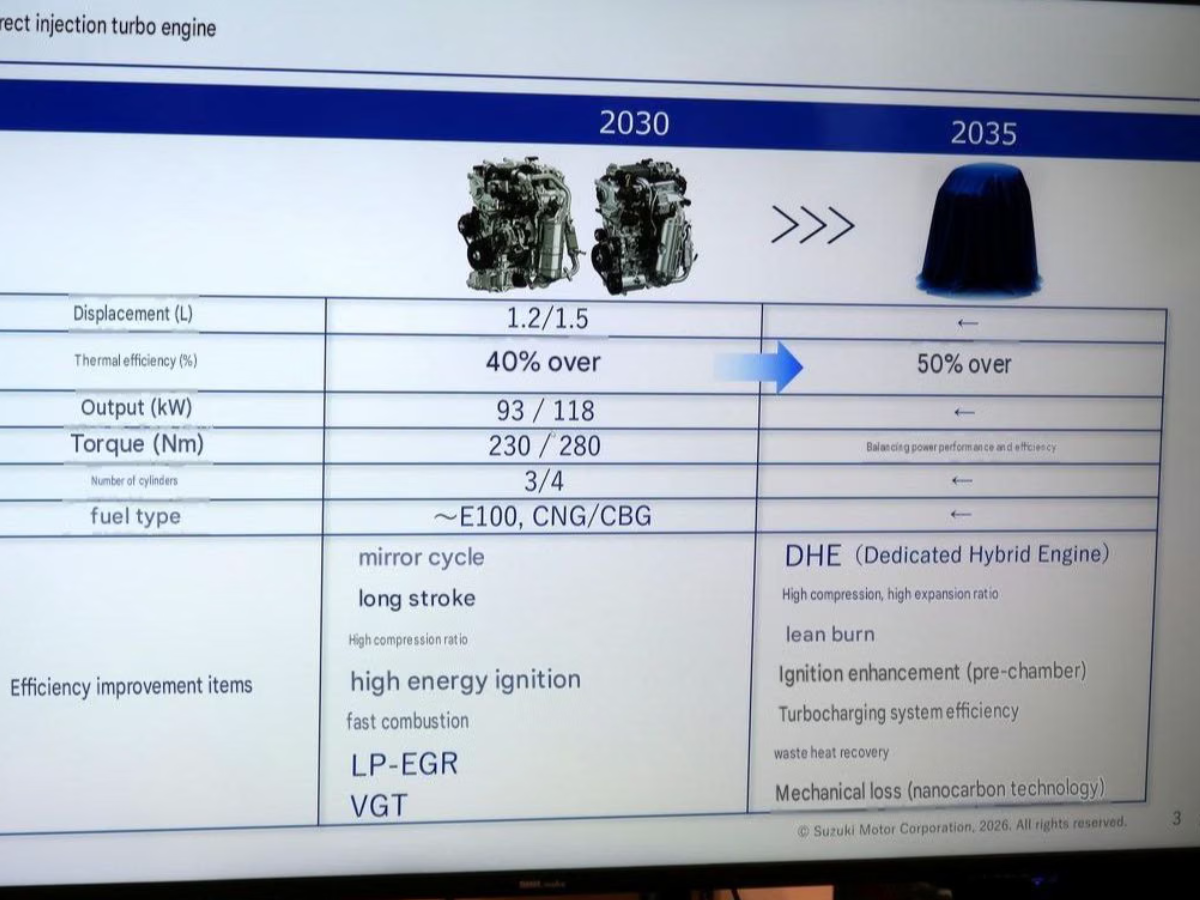
This new engine could help Maruti Suzuki make performance a selling point. The current 1.0-litre Boosterjet turbo petrol engine makes 99 bhp and 146 Nm of torque, as in the Fronx; the Brezza uses the same engine with a different tune: 109 bhp & 170Nm, which is still underpowered compared to its rival, the Tata Nexon. Nexon makes around 118 bhp and 170 Nm of torque from its 1.2-litre turbo petrol engine. This new engine gives the Brezza a massive advantage over its rivals while still offering flex-fuel options and better efficiency if launched with these figures.
The Swift could also benefit from this engine and compete in the turbo petrol hatchback segment by offering performance and efficiency, which could bring back the fun-to-drive element of the Swift. Its direct competitor will be the Hyundai i20 N-Line, which makes 118 bhp and 172 Nm of torque.
New Maruti Turbo-Petrol Engine: E100, CNG And CBG Compatibility
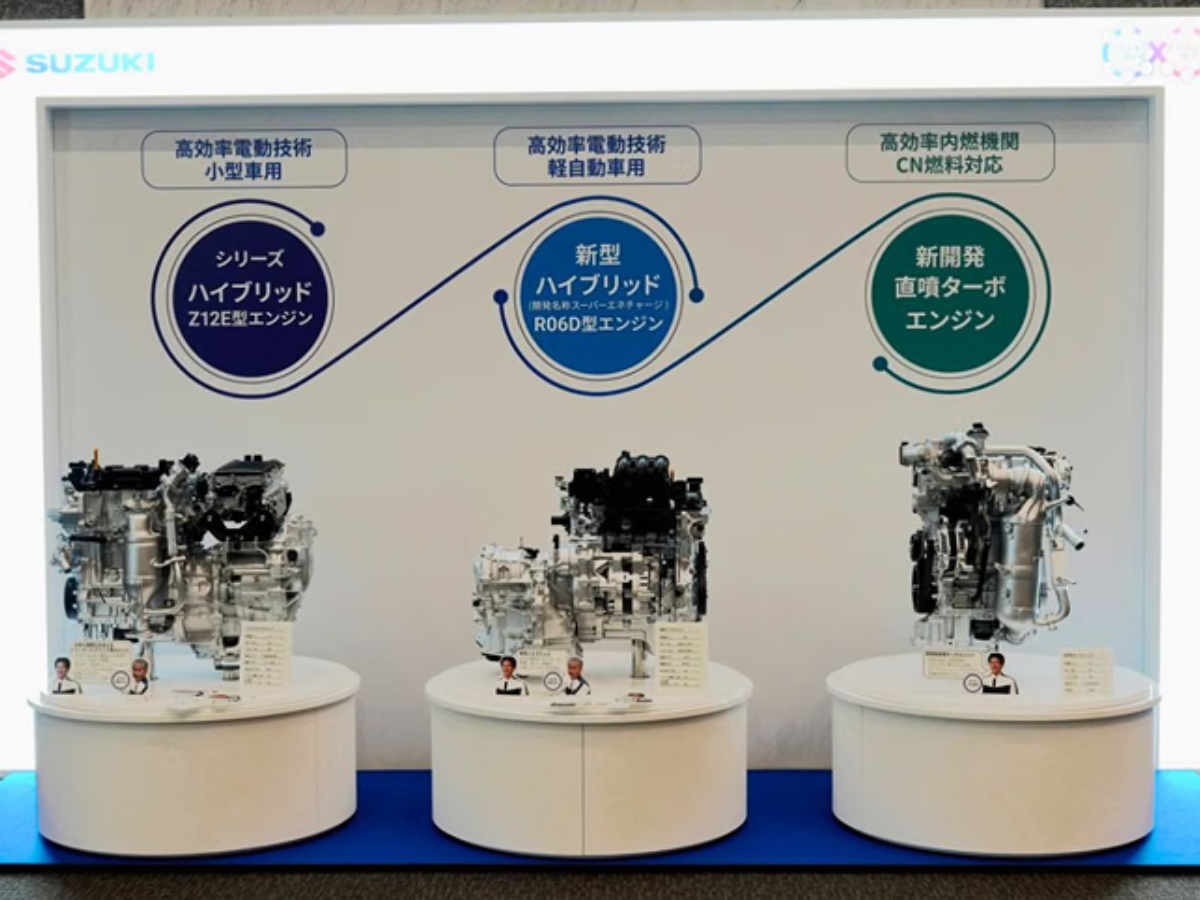
This engine’s flexibility with alternative fuels makes it a compelling choice for prospective buyers concerned about India’s rapid push toward ethanol blending. CNG and CBG flexibility also makes it a strong contender. Suzuki is also developing under-floor cylinders to increase usable boot space in their CNG cars; although late to the party, it’s a good measure.
What Does This Mean?
Introducing a more powerful turbo-petrol engine in Maruti Suzuki’s lineup helps them diversify their portfolio and reach a new set of customers who prioritise performance and efficiency. Its fuel flexibility also gives customers more options when choosing different fuel types.