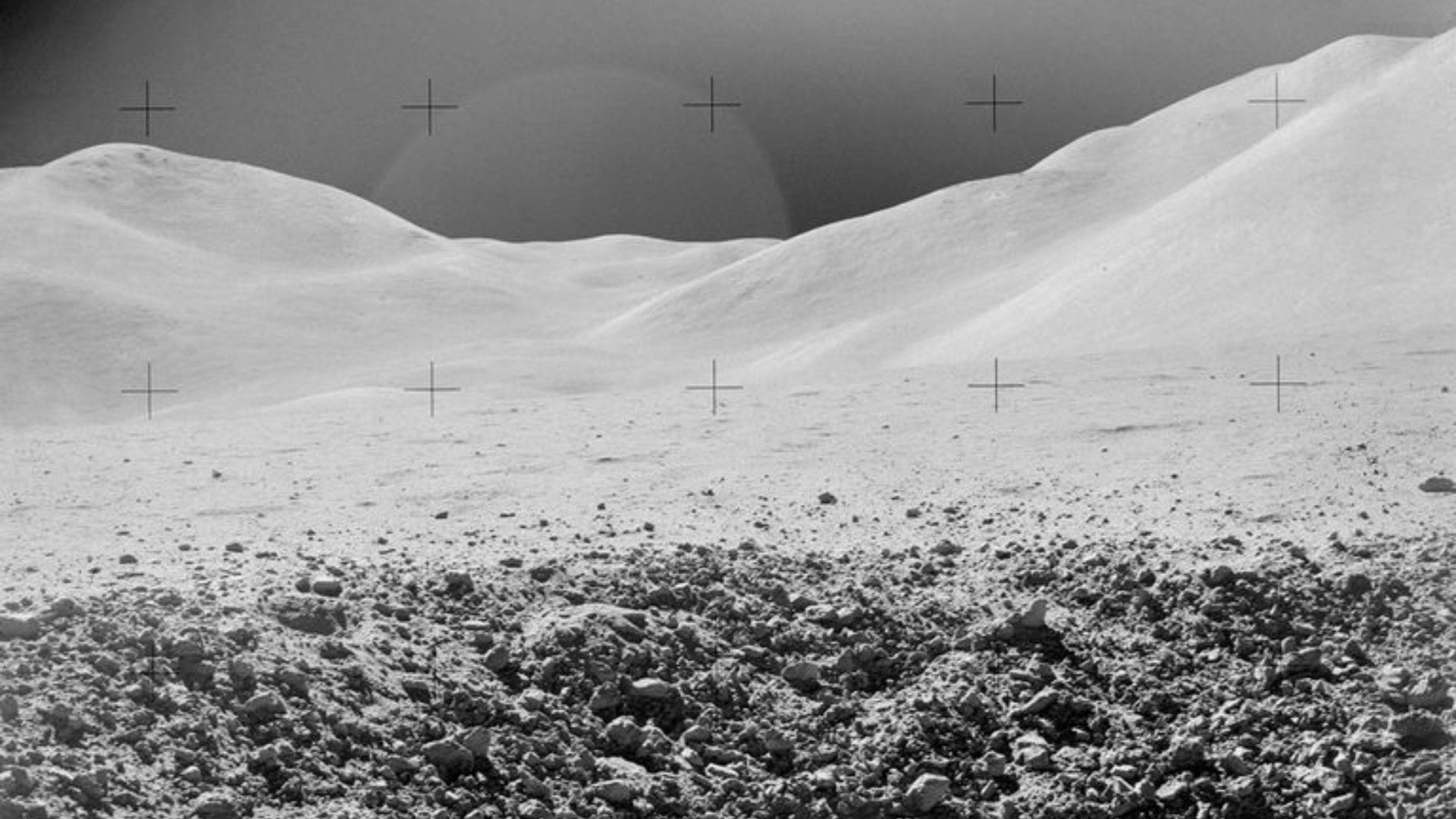
New Delhi: Scientists had previously believed that bombardment by meteorites in the early history of the Solar System delivered most of the water on Earth. New research based on samples collected during the Apollo missions indicates that only a fractional amount of water on the planet could have been delivered by meteorites, even under generous assumptions. The scientists used a novel method to study lunar soil or regolith. The Earth has a supercontinent cycle and active plate tectonics, as well as weathering, that erase records of ancient processes. However, the lunar surface is pristine, and preserves such record.
Traditional methods of studying the lunar regolith relies on analysing metal-loving elements, that makes it hard to understand how much water meteoroids contained. The researchers used triple oxygen isotopes for the new study, that leverages the fact that oxygen is unaffected by impact or external forces. These isotopes provide a clearer understanding of the composition of the meteorites that bombarded both the Earth and the Moon in the infancy of the Solar System. The oxygen-isotope measurements revealed that at least one per cent by mass of the regolith contained material from carbon-rich meteorites that were partially vapourised when they struck the Moon. Using the known properties of such meteorites allowed scientists to more precisely estimate the amount of water that they could carry.
Delivery is still significant for Moon
The samples analysed by the study came from the lunar equator, where all the six Apollo missions to the lunar surface landed. Compared to the Earth, the delivery of the water to the Moon is tiny, but not insignificant. The accessible water inventory of the Moon is concentrated in the permanently shadowed craters around the polar regions, which are among the coldest spots in the Solar System. Most space faring nations are headed to the south pole of the Moon for this reason.