Menopause marks a natural stage in a woman’s life when menstrual periods stop permanently. It typically occurs between the ages of 45 and 55, with the transition confirmed after 12 consecutive months without menstruation when no other cause explains the absence of periods. During this phase, changes in estrogen and other hormones can affect several parts of the body, including the bones, skin, sleep patterns and eyes. While hot flashes and bone health often receive greater attention, eye discomfort is another concern women may experience during and after menopause.
Why Can Menopause Lead to Dry Eyes?
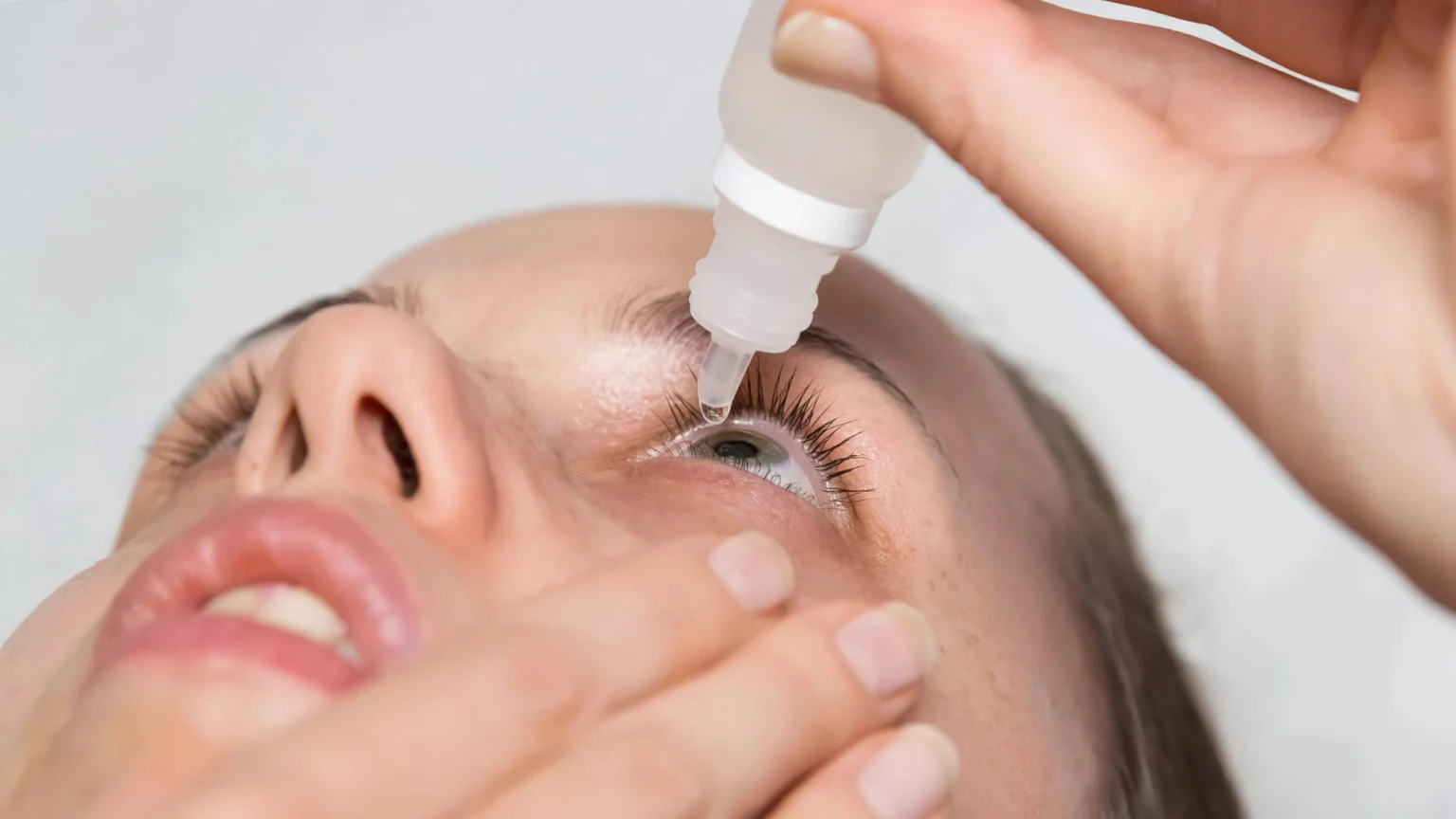
Dry eye is a common condition in which the eyes do not produce enough tears or the tear film does not function properly. Hormonal changes during menopause may influence tear production and the glands responsible for maintaining the protective oily layer on the eye’s surface.
Women experiencing dry eyes may notice burning, itching, redness, irritation or a gritty sensation, as though something is stuck in the eye. Some may even experience excessive watering. This can happen because irritation triggers a reflex response that produces watery tears, which may not adequately lubricate the eye’s surface.
Menopause is not the only possible cause of these symptoms. Prolonged screen use, air conditioning, dry environments, contact lenses and certain medicines can also contribute to eye dryness. Women who experience persistent discomfort should consult an eye specialist rather than assuming that hormonal changes are responsible.
Can Menopause Increase the Risk of Cataracts and Glaucoma?
Age-related eye conditions deserve attention during midlife and beyond. Cataracts develop when the eye’s natural lens becomes cloudy, potentially causing blurred vision, glare and difficulty seeing clearly. Glaucoma refers to a group of conditions that damage the optic nerve and can lead to vision loss if left untreated.
The risk of both conditions generally increases with age. However, menopause itself should not be considered a direct cause of cataracts or glaucoma. Other factors, including family history, diabetes, certain medicines and individual eye health, can influence a person’s risk.
Glaucoma can develop without obvious early symptoms, making regular eye examinations particularly important for people at increased risk. Women with diabetes, a family history of glaucoma or changes in vision should discuss an appropriate screening schedule with an eye care professional.
Everyday Habits That May Help Protect Eye Health
Simple changes in daily routines can help reduce eye strain and improve comfort, particularly for women who spend long hours using computers or mobile phones.
The 20-20-20 rule is one practical approach: after every 20 minutes of screen use, look at an object approximately 20 feet away for at least 20 seconds. Taking regular breaks and remembering to blink fully can also help maintain the tear film.
Avoid sitting directly in the path of air conditioning or fan airflow, as moving air can increase tear evaporation. If dryness continues, an eye specialist may recommend lubricating eye drops, commonly called artificial tears, depending on the individual’s symptoms and medical history.
A balanced diet containing leafy green vegetables, fruits, nuts and other nutrient-rich foods supports general health. Adequate hydration is also important, although drinking extra water alone may not resolve dry eye disease. Wearing sunglasses that provide ultraviolet protection and avoiding smoking are additional steps that support long-term eye health.
When Should Women Seek Medical Advice?
Occasional eye irritation may improve with simple adjustments, but persistent dryness, recurring redness or blurred vision should not be ignored. An eye examination can help identify whether the problem is related to dry eye disease, an underlying medical condition, medication use or another eye disorder.
Women with diabetes or high blood pressure should maintain regular medical follow-ups because these conditions can affect eye health. Routine examinations may also help detect certain eye diseases before noticeable symptoms develop.
Sudden vision loss, severe eye pain, a new loss of vision or a painful red eye requires urgent medical assessment. These symptoms should not automatically be attributed to menopause.
Menopause affects women differently, and eye symptoms are not inevitable. Understanding the possible effects of hormonal changes, adopting healthy screen habits and seeking timely professional care can help women protect their vision as they grow older.