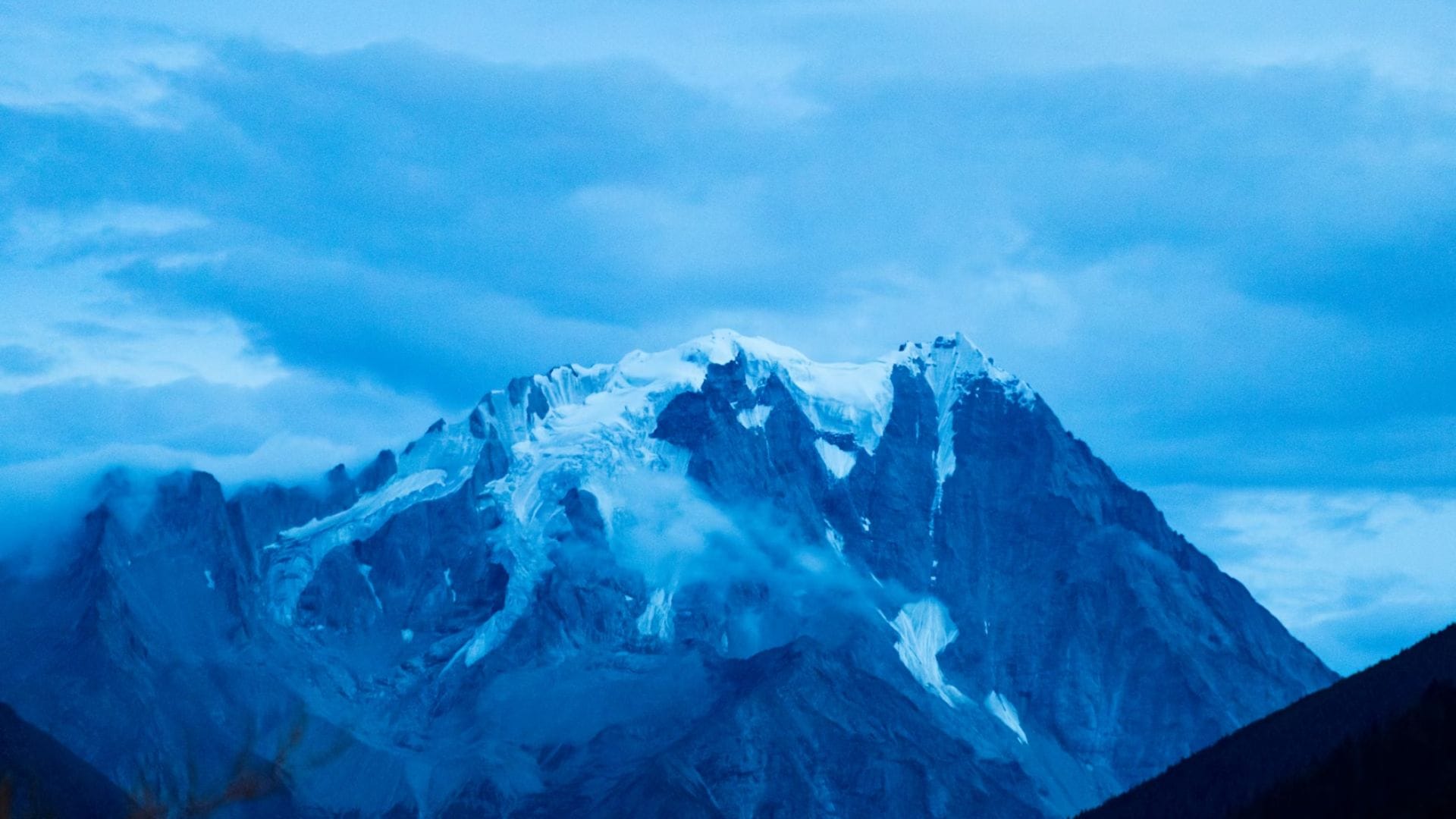
New Delhi: DATA from NASA’s GRACE missions have revealed significant mass loss in the extensive glacier systems in the High Mountains of Asia between 2002 and 2023. The glaciers in the Tibetan Plateau and the surrounding mountain ranges, also known as the ‘water towers of Asia’ are shrinking rapidly, endangering water resources for millions of people, according to a new study. The findings reveal that if the conditions that led to the decline continue, enhanced glacier melt would increase flooding risk in the long-term, while substantially reducing meltwater availability in the long term. The scientists have highlighted the need for reduced greenhouse gas emissions to reduce glacier melt and preserve a larger fraction of the cryospheric storage in the region.
The communities living in the region rely on the meltwater for hydropower generation and large scale irrigation systems. Any changes in the size of the glaciers have direct implications for water security in the region, agriculture, and natural hazard management. Shrinking glaciers can threaten infrastructure, and increase the risk of loss of life. The researchers have called for more robust monitoring of the evolution of glaciers for the benefit of the people that live alongside them. Sophisticated methods were used to determine the mass loss in the glaciers.
How the shrinking of glaciers were measured
The researchers investigated changes in the gravity field of the Earth to determine how much frozen water was lost or added to the glaciers each year. Machine learning models were used to address gaps in long-term glacier monitoring. The team discovered that the water and ice loss increased steadily throughout the years, but there were pronounced variability in the melt across certain subregions. The scientists believe that rising global temperatures, altered precipitation patterns and even solar irradiation were all factors responsible for the variability. A paper describing the research has been published in Scientific Reports.