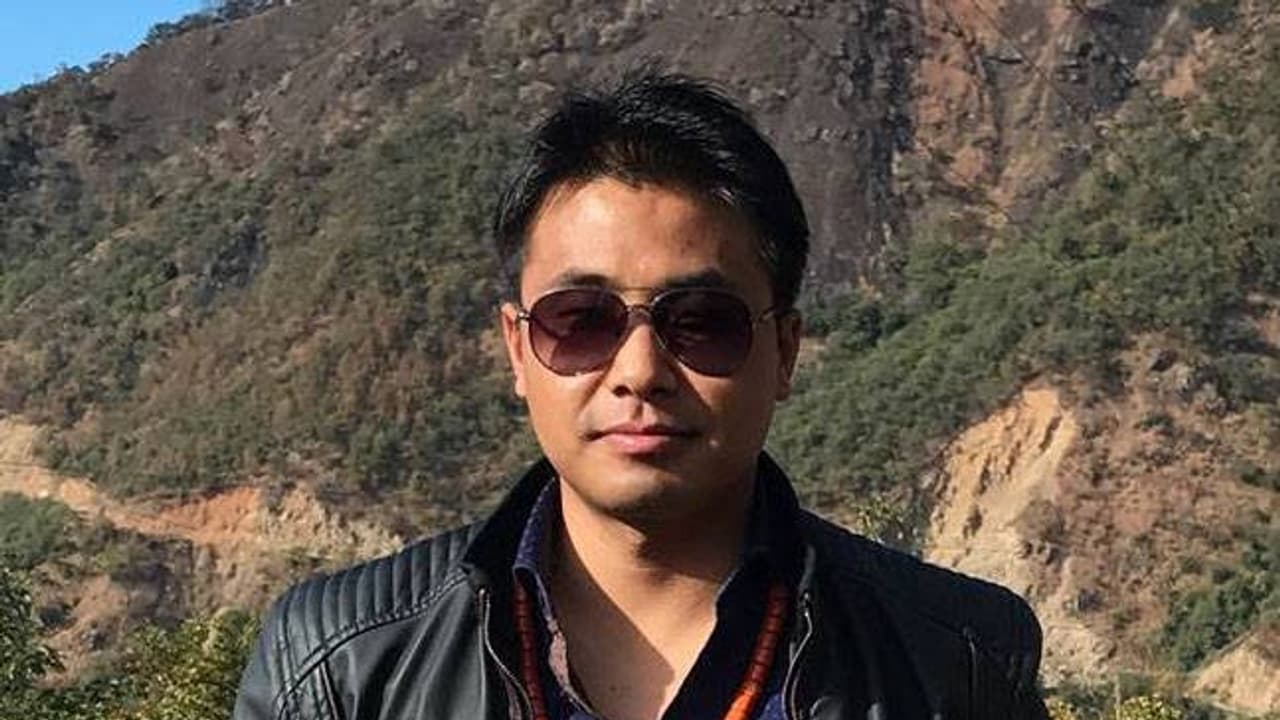
IAS Officer Armstrong Pame raised ₹40 Lakh through a Facebook crowdfunding campaign to construct a 100-kilometer road in Manipur, connecting remote villages without government aid. His initiative earned him the nickname “Miracle Man” and provided vital connectivity to underserved areas.
40 Lakh rupees – that’s what IAS officer Armstrong Pame pulled together on Facebook. His goal: a 100-km road, connecting Manipur’s remote corners. A 2009-batch IAS officer from the Manipur cadre, Pame connected countless villages. He called it the “People’s Road.” This bold project sidestepped traditional government funding hurdles. Instead, it ran purely on public contributions and community muscle.
Pame didn’t just decide to build a road; he saw the suffering. In Tousem sub-division, residents walked for hours – carrying goods, even patients on makeshift stretchers. No motorable roads. The government had already rejected road proposals, citing resource crunch.
Crowdfunding a Lifeline
August 2012. That’s when Pame kicked off his Facebook crowdfunding drive. He needed money. His move – using social media for public good – drew massive support. Individuals, non-governmental organizations, even the Indian diaspora chipped in. The campaign pulled in over ₹40 Lakh for the project; some whisper it was closer to ₹50 Lakh. Pame himself threw in ₹5 Lakh from his own pocket. His family joined the cause too.
What did the money pay for? Mostly fuel for road-laying machines and food for hungry volunteers. Pame didn’t stop there. He convinced local contractors to donate earth movers and road rollers – free of charge. Tousem villagers themselves pitched in, offering their labor, which slashed construction costs. This entire collective effort built the 100-kilometer road. It connected Tousem to the rest of Manipur, as well as to Nagaland and Assam.
“Miracle Man” and Lasting Impact
“They called him ‘Miracle Man.'” Armstrong Pame earned that title for a reason. By 2013 or 2014, the “People’s Road” was complete. It changed everything – healthcare, education, markets – for over 100 villages. Pame’s inventive public service proved it: community muscle and crowdfunding can beat huge infrastructure problems in far-flung areas. Later, the Ministry of Road Transport and Highways officially recognized it. They declared it National Highway 137.
2012. That year, Pame received a nomination for the CNN-IBN Indian of the Year in Public Service. Awards kept coming. In 2015, he got India’s Most Eminent IAS Officer Award. Then, the India’s Distinguished IAS Officers Award in either 2021 or 2022. The World Economic Forum named him a Young Global Leader in 2018. Today, Pame holds the post of Joint Secretary to the Government of India. He works in the Department of Higher Education, Ministry of Education.