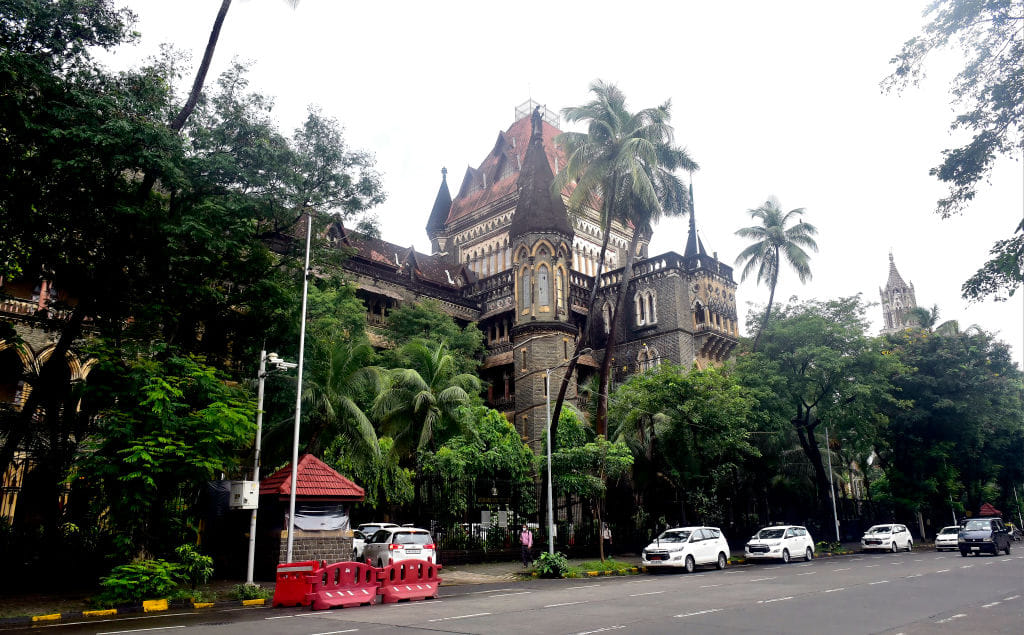
New Delhi: Almost 20 years after the 2006 Malegaon blasts, the Bombay High Court on Wednesday quashed a special court order framing charges against all four accused. As many as 37 people were killed and over 100 injured in the blasts.
Lokesh Sharma, Dhan Singh, Rajendra Choudhary, and Manohar Narwaria are the four accused in the case.
A bench comprising Chief Justice Shree Chandrashekhar and Justice Shyam Chandak gave the ruling on appeals filed by the accused against a September 2025 order of a special court that had framed charges against them. The ruling brings the prosecution initiated by the National Investigation Agency (NIA) to a halt at least for now.
What happened during the hearing
The defence, during the course of the hearing, pointed out that the NIA’s case lacked crucial evidence. They added that there were no eyewitnesses and no recoveries that could establish link of the accused to the crime.
They flagged procedural lapses in the case, including a Test Identification Parade carried out over six years after the incident, raising questions over the reliability of witness accounts.
The NIA, subsequently, confirmed in the court that there were no eyewitnesses in the case.
The defence said that soil samples from Madhya Pradesh — where the explosives were allegedly prepared — showed no traces of RDX, casting doubt on the charges.
What is the Malegaon blasts case?
On September 8, 2006, blasts took place at a Muslim cemetery in Malegaon, in Nashik district. After the incident, the Maharashtra Anti-Terrorism Squad (ATS) took nine Muslim men into custody. In 2012, a special MCOCA court gave bail to the accused. Later, in 2007, the case was handed over to the Central Bureau of Investigation (CBI). The CBI supported the state agency’s findings at the time.
After some years, the NIA took charge of the case and arrested four different accused. They alleged a separate plot in the case. They were charge-sheeted. The Bombay High Court granted them bail later.