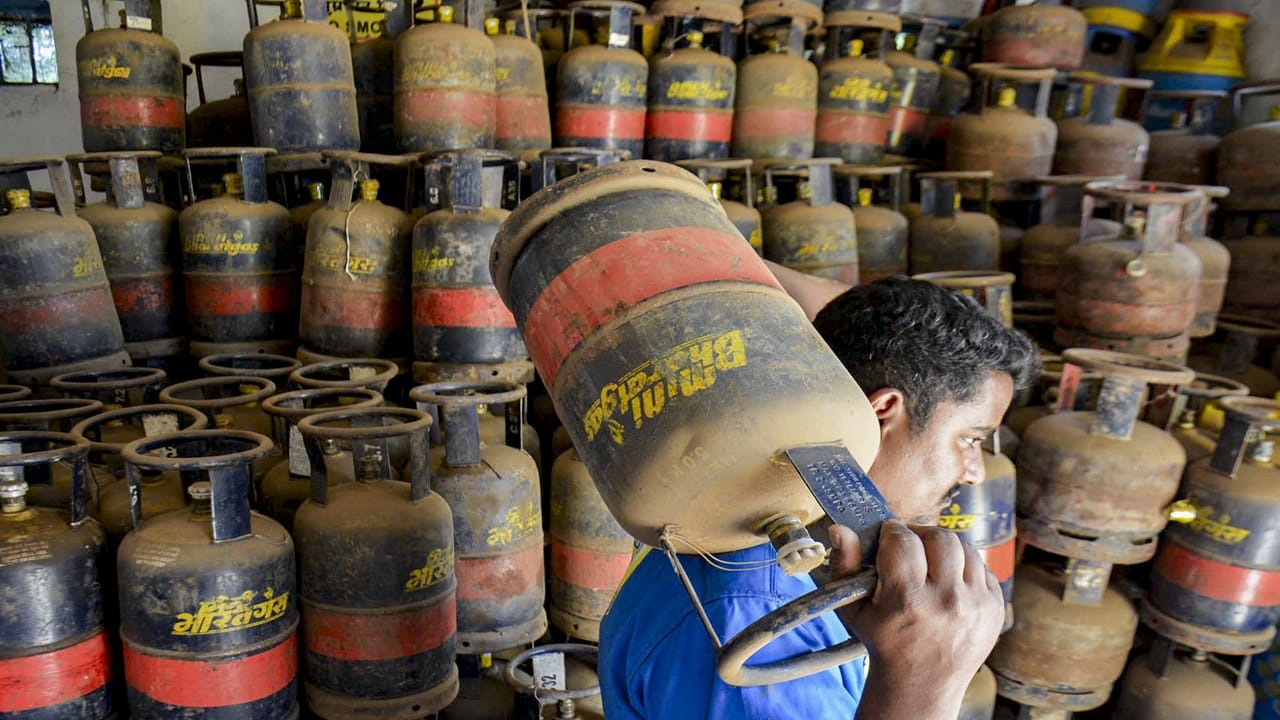
New Delhi: As the global oil disruptions continue due to the US-Israel-Iran war, the Indian government has invoked the Essential Commodities Act, 1955, to ensure the uninterrupted supply of domestic cooking gas. The Act is meant to regulate the availability, supply and equitable distribution of petroleum and petroleum products and natural gas.
The Centre has ordered oil refineries and petrochemical units to step up output of liquefied petroleum gas to the maximum possible level and to divert key hydrocarbon streams into the LPG pool to boost supplies. The move has been taken to address possible crunch caused by the turmoil in the Middle East.
How the war in Mideast has hit India
The West Asia war has caused a rippling effect across the world, and India is not untouched by its impact. The oil crisis has knocked on Indian door. Indian households and restaurants are facing disruptions in LPG supply. The problem is fast assuming huge proportions, with the Indian Hotel and Restaurant Association having written to Petroleum and Natural Gas Minister Hardeep Puri seeking his help as many restaurants face closure due to shortage of cooking gas.
The invocation of Essential Commodities Act comes against this backdrop. The Act gives Centre the power to step in directly in the market so that that essential fuels are available and that hoarding or black marketing does not hamper supplies.
What is Essential Commodities Act
The government uses the Act as a tool to regulate essential goods when they become scarce or are in short supply. By invoking the Act for fuel, the Centre can issue orders regulating the production, storage, transportation, and sale of petroleum products nationwide.
The Essential Commodities Act, 1955, which appears in Schedule IX of the Constitution, is aimed at enabling the Centre to regulate the price, production, supply and distribution of, and trade and commerce in, commodities that are essential to the general public.
The Act got presidential nod on April 1, 1955. Powers to implement the Act’s provisions have been delegated to the states.
Through the years, the list of essential commodities has included food grains, edible oils, drugs, fertilisers and petroleum products. The government can add or remove items from the list. It can check profiteering, artificial shortages or hoarding, during crises like wars, natural disasters or supply disruptions — like the one happening now.
Section 3 of the Act empowers the Centre to take measures to regulate supply and ensure fair distribution of essential commodities. It can also put restrictions on the production and refining of a commodity, if required.
The Act allows the government to control the supply chain and issue directions on the way commodities are to be distributed across states. If necessary, it can fix prices and impose price limit and limits on the quantity.
The government can also direct companies, distributors, wholesalers and traders to release stored stocks into the market. Besides, licensing requirements for storage, transport or sale of essential commodities can be introduced.
Authorities are empowered to carry out inspections, and seize hoarded goods and take legal action against the violators.
What happens now
With the Act in place, the government can now issue directions to oil companies on how fuel should be distributed and see to it that supply for critical sectors such as defence, transportation, hospitals and essential services is maintained.
Panic buying or stockpiling can be prevented as limits are imposed on how much fuel wholesalers or retailers store the product.
The government can now ensure equitable distribution of supplies across the country. Fuel supplies can be redirected to states or cities that witness shortage.