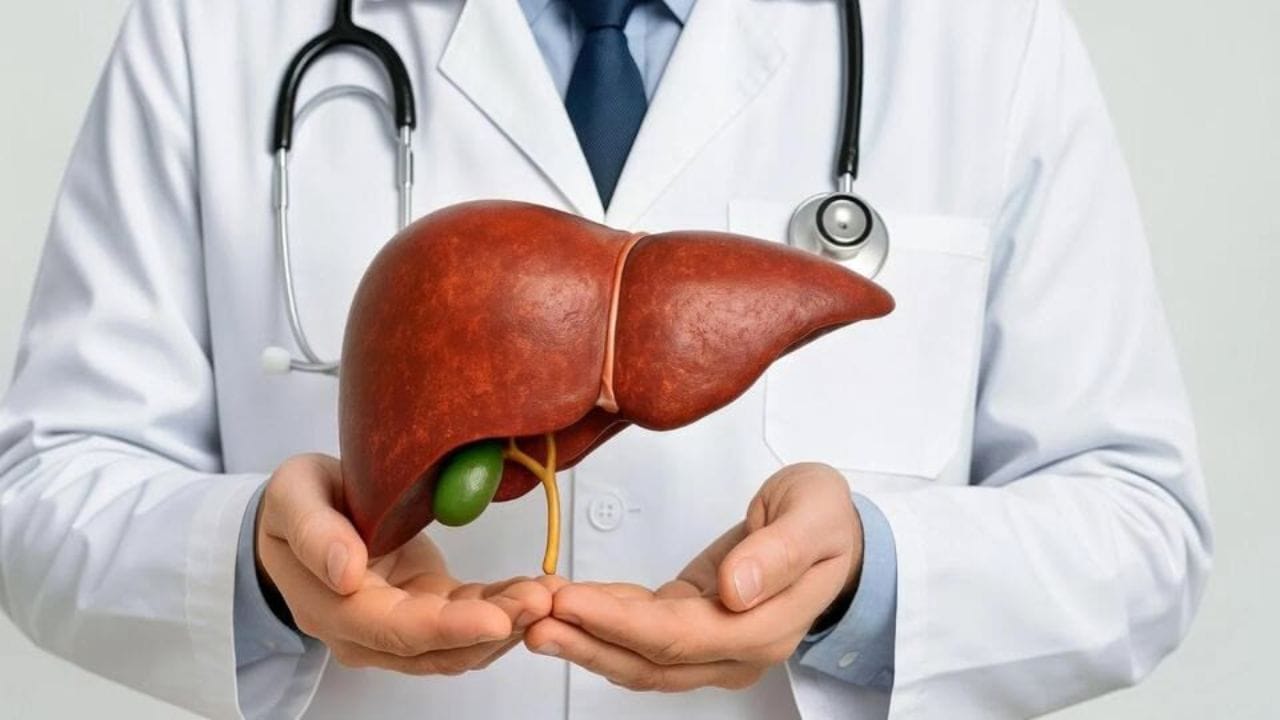
New Delhi: Reducing dietary protein may slow the growth of liver tumours in cases where the liver cannot efficiently clear ammonia, according to a study published in Science Advances. Researchers observed that when ammonia accumulates in damaged livers, tumours expand more rapidly. The findings, led by Wei-Xing Zong at Rutgers University, suggest that impaired waste processing can unintentionally fuel cancer development. In healthy individuals, ammonia produced during protein breakdown is converted into urea and safely excreted. However, in diseased or cancer-affected livers, this detoxification process weakens, allowing ammonia to build up in tissues and blood.
The study found that tumours can redirect this excess ammonia into compounds needed for DNA synthesis and cell division, effectively using a waste product to support growth. When tumour-prone mice were placed on a lower protein diet, ammonia production fell, tumour growth slowed and survival improved, highlighting ammonia regulation as a potential therapeutic target in liver cancer. Read on to know more.
Science Advances study explains ammonia-driven liver tumour growth
Ammonia accumulation and tumour growth
The research demonstrated that rising ammonia levels in the liver were directly associated with faster tumour expansion. When detoxification pathways were disrupted, cancer cells adapted by using the excess nitrogen to sustain rapid division.
Defective waste processing as central mechanism
The team identified impaired ammonia handling inside liver cells as a key driver. Instead of being converted into urea, ammonia was channelled into amino acids and nucleotides, both essential for tumour proliferation.
Dietary protein restriction in mouse models
In controlled experiments, tumour-prone mice received a lower protein diet. Reduced nitrogen intake led to decreased ammonia production, slower tumour progression and improved survival across several liver cancer models.
Caution for patients
Researchers stressed that protein restriction is not a universal recommendation. Many cancer patients require adequate protein to preserve muscle mass and strength during treatment. Any dietary adjustment should be supervised by clinicians, particularly in individuals with hepatitis, fatty liver disease or alcohol-related liver damage.
Although the findings are limited to animal models, the Science Advances study points to ammonia regulation as a promising area for further human research in liver cancer management.