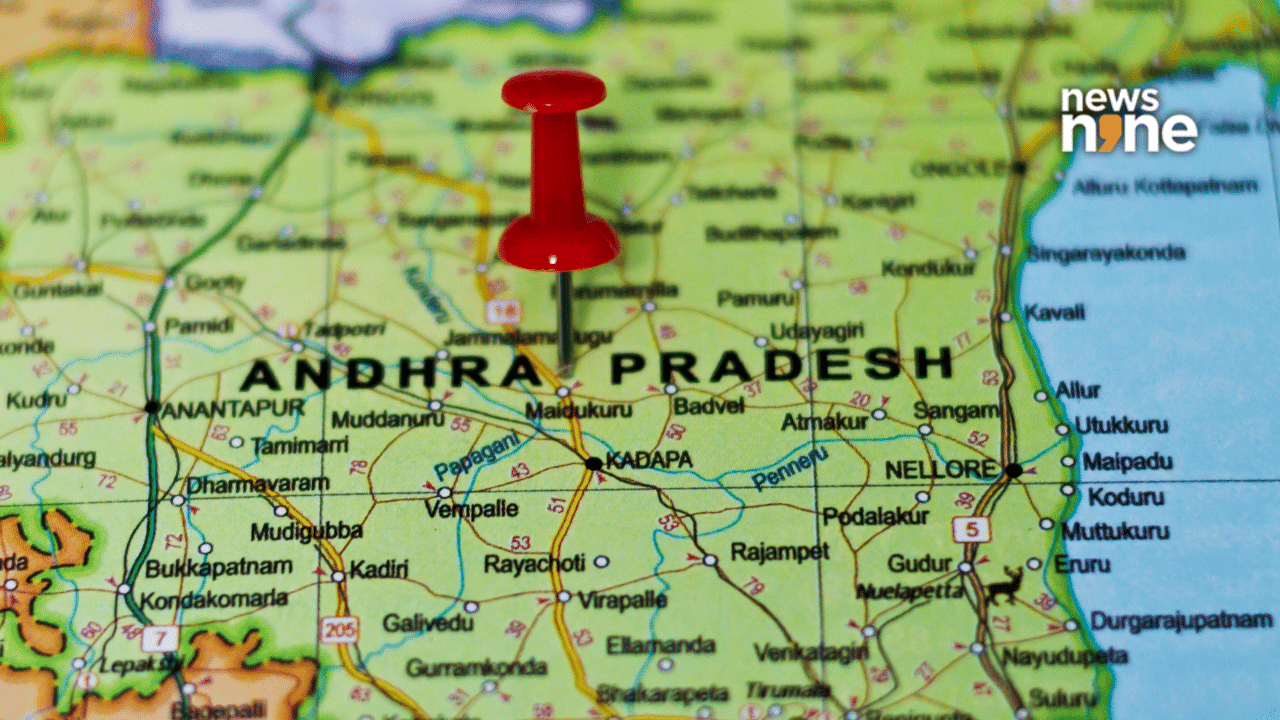
New Delhi: Visakhapatnam is changing fast. Usually known for its beautiful beaches and cricket matches the coastal city is now aiming for something much bigger. Andhra Pradesh IT Minister Nara Lokesh has announced a massive plan to turn the city into a global hub for artificial intelligence. He says the state has secured investment agreements worth $175 billion. This involves 760 projects that could change the face of technology in India.
The minister spoke to AFP ahead of the big international AI summit starting in New Delhi. He made it clear that the AI revolution is here and there are “no second thoughts about it.” The plan is to build a data city ecosystem within a 100 kilometre radius. This area will host data centres and the companies that make the servers and cooling systems. It is a bold move to put India on the map as a creator of cutting edge technology.
Big tech bets billions on the city
The list of investors is impressive. Google is planning a $15 billion investment for its largest AI infrastructure hub outside the United States. That is a huge vote of confidence. A joint venture is also in the works involving India’s Reliance Industries plus Canada’s Brookfield and US firm Digital Realty. They are investing $11 billion to develop an AI data centre in the same city.
Lokesh mentioned that his state received close to 25 percent of all foreign direct investments to India in 2025. He is offering land at incredibly low rates to attract these giants. The offer stands at one US cent per acre for major investors. This aggressive strategy aims to bring in the entire ecosystem. Lokesh said “I’m chasing the companies that make those servers that go sit in those data centres.”
Infrastructure and water plans
The southeastern port city is being pitched as a landing point for submarine internet cables linking India to Singapore. But data centres need a lot of power and water. Lokesh says the government has accounted for the vast electricity and water demands. He plans to tap “surplus water” that drains into the Bay of Bengal to cool the massive data centres. He feels it is a crime that so much water during monsoons goes into the oceans.
Energy is another big piece of the puzzle. New Delhi last year agreed to in-principle approval for six 1.2 GW nuclear power plants at Kovvada in Andhra Pradesh. The state is targeting six gigawatts of data centre capacity. Three are already signed and another three are in the pipeline.
Jobs and global competition
India is now third in a global AI power ranking sitting above South Korea and Japan. This is based on indicators like patents and private funding calculated by Stanford University. Microsoft also said in December it will invest $17.5 billion to help build the country’s artificial intelligence infrastructure. CEO Satya Nadella called it the firm’s “largest investment ever in Asia.”
Some critics question if data centres actually create enough jobs. Lokesh rejects that idea. He argues that “every industrial revolution has always created more jobs than it has displaced.” He cites China as an inspiration for creating industrial clusters. He admires how they have been able to “systematically bring people out of poverty” at speed. He says the state will execute these projects at a pace that the country has never seen.