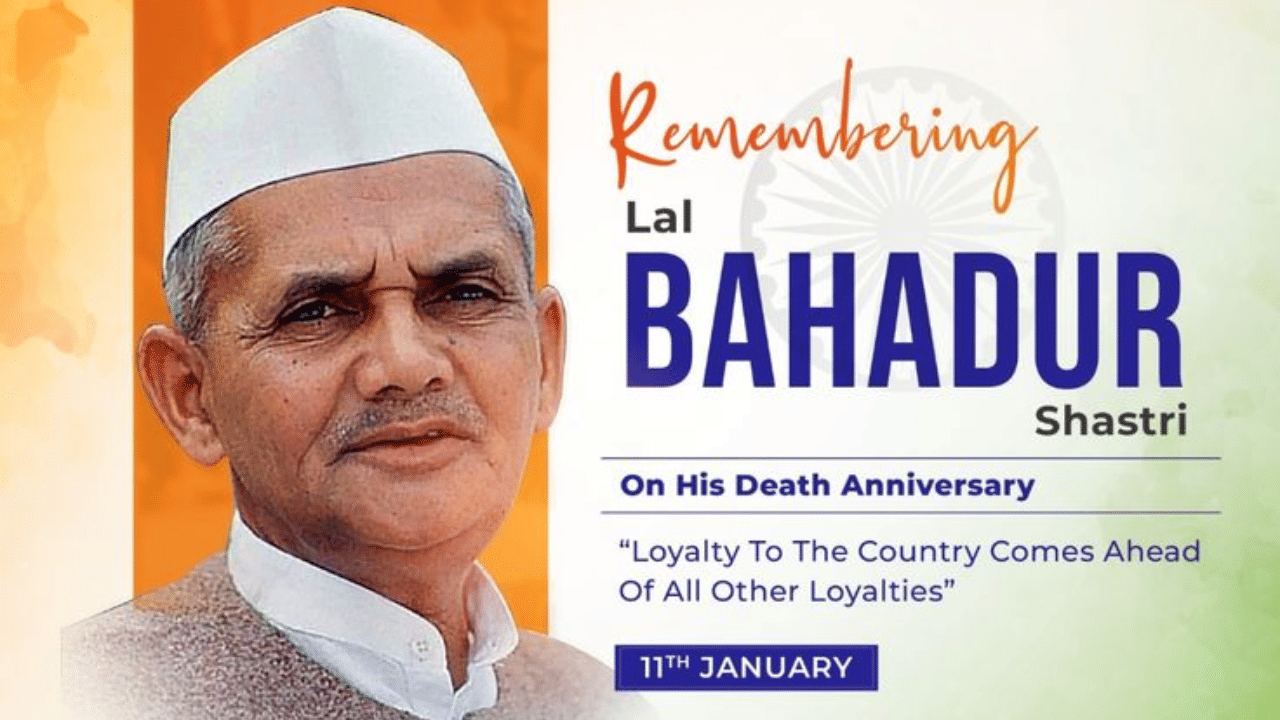
New Delhi: Lal Bahadur Shastri, India’s second Prime Minister from June 9, 1964, to January 11, 1966, embodied simplicity amid crisis, leading the nation through the 1965 Indo-Pak War and food shortages with his iconic slogan “Jai Jawan Jai Kisan”. Born on 2 October 1904 in Mughalsarai, this freedom fighter rose through humility, serving as Railway and Home Minister before premiership. His legacy of integrity and self-reliance continues to inspire modern lifestyles, especially on his death anniversary, 11 January—reminding us how modest choices build resilient lives.
Shastri’s life offers timeless wisdom on discipline, austerity, and service, applicable to today’s fast-paced world. From voluntary simplicity to nation-first ethos, his habits sneak peek enduring principles. Which lesson resonates with your routine?
Legacy of Lal Bahadur Shastri
Lal Bahadur Shastri spearheaded the Green Revolution, boosting food production in Punjab, Haryana, and Uttar Pradesh via high-yield seeds and irrigation, paving India’s path to self-sufficiency. He initiated the White Revolution through the National Dairy Development Board, enhancing milk output and rural economies. His Tashkent Agreement on 10 January 1966 fostered Indo-Pak peace post-war, though he passed away the next day in Tashkent. Shastri’s “Jai Jawan Jai Kisan” honoured soldiers and farmers, while institutions like Sainik Schools instilled discipline.
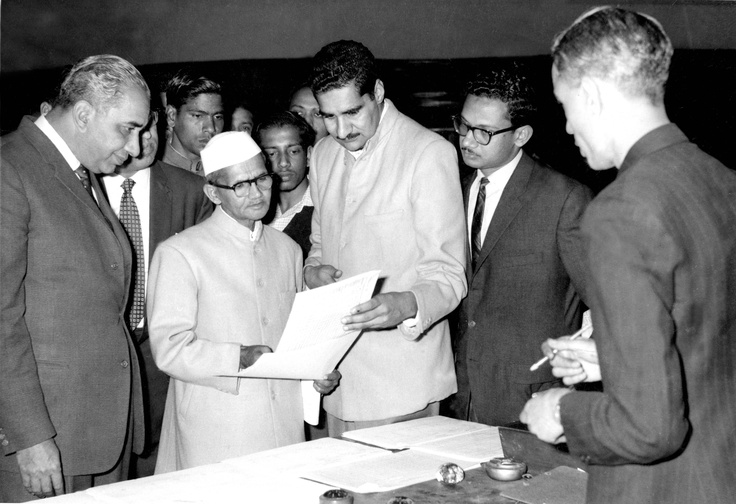
Lal Bahadur Shastri’s popular lifestyle lessons that still matter
1. “A true leader is one who stands by his principles.” Embrace Simplicity
Shastri owned just two shirts, travelling third-class to embody minimalism that curbs desires and sharpens focus. Adopt by decluttering wardrobes monthly, opting for versatile basics over impulse buys—fostering contentment, slashing expenses, and freeing mental space for joys beyond materialism in consumer rush.
2. “Self-reliance is the key to freedom.” Practice Self-Reliance
He called for skipping one meal weekly amid shortages, cultivating discipline and innovation. Today, meal-prep weekly, learn DIY skills like gardening or budgeting apps—empowering independence that cuts dependency, boosts confidence, and preps for uncertainties with proactive habits.
3. “Honesty is the best policy.” Prioritise Integrity
Refusing undue favours, he walked barefoot as PM to symbolise unyielding honesty. Integrate by upholding promises at work, transparent dealings in business—nurturing trust that elevates careers, relationships, and inner peace amid ethical dilemmas.
4. “Humility is the ornament of a great leader.” Cultivate Humility
Dismissing grandeur by shunning “Shastri Bhavan,” he led without ego. Practice through active listening in meetings, crediting teams publicly—enhancing collaboration, reducing stress, and drawing genuine respect for authentic leadership today.
5. “Hard work never goes unrewarded.” Value Hard Work
From poverty to power via Salt Satyagraha, diligence defined him. Apply by setting non-negotiable daily tasks, upskilling via online courses—harnessing persistence to shatter plateaus, achieve goals, and savour earned successes in fast-reward cultures.
6. “Nation first, always.” Foster Patriotism
War-time slogans unified India; small acts matter. Engage via voting, eco-initiatives like Swachh Bharat, or mentoring local youth—instilling purpose, community bonds, and pride that enriches life’s meaning beyond self.
7. “Education is the foundation of progress.” Promote Education
Founding Bal Vidya Mandir stressed lifelong learning. Commit to reading 20 minutes daily, teaching kids history—sharpening minds, opening opportunities, and perpetuating wisdom for empowered, curious lifestyles.
8. “Courage is not the absence of fear, but acting despite it.” Lead with Courage
Risking all for Tashkent peace exemplified bold vision. Face fears by tackling one discomfort weekly, like public speaking—building grit that unlocks growth, stronger decisions, and fulfilling paths in hesitant times.
Shastri’s lessons, relevant as ever on 11 January 2026, guide balanced living—which will you adopt first?