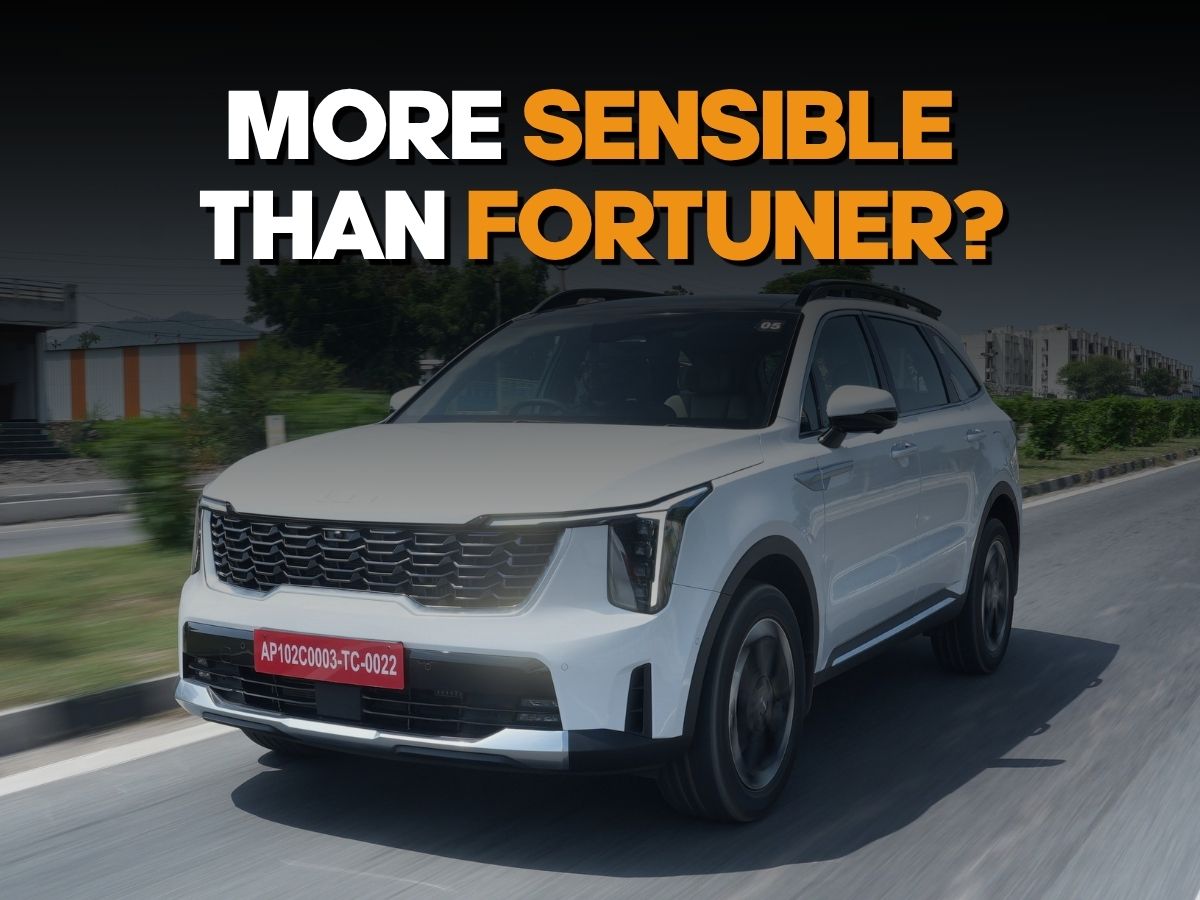
The Kia Sorento is definitely an interesting car for India because it raises a few key questions: Is it a proper Fortuner rival? Is it worth spending Rs. 48 lakh on the top variant? Is the petrol hybrid more fuel-efficient than the diesel? So, to answer a few of these questions and see how the Sorento drives, we took both its petrol & diesel versions for a long drive in Udaipur. Here’s what we thought.
Kia Sorento Design
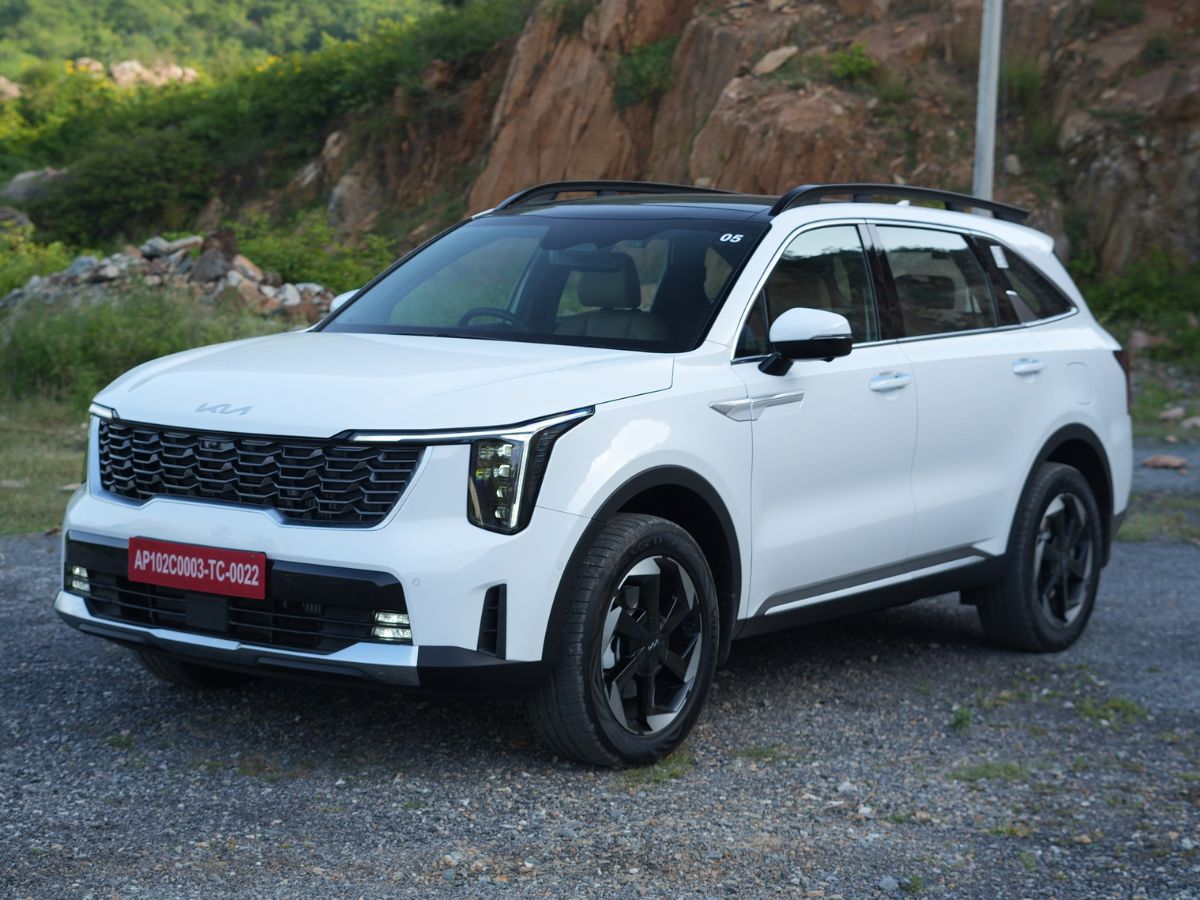
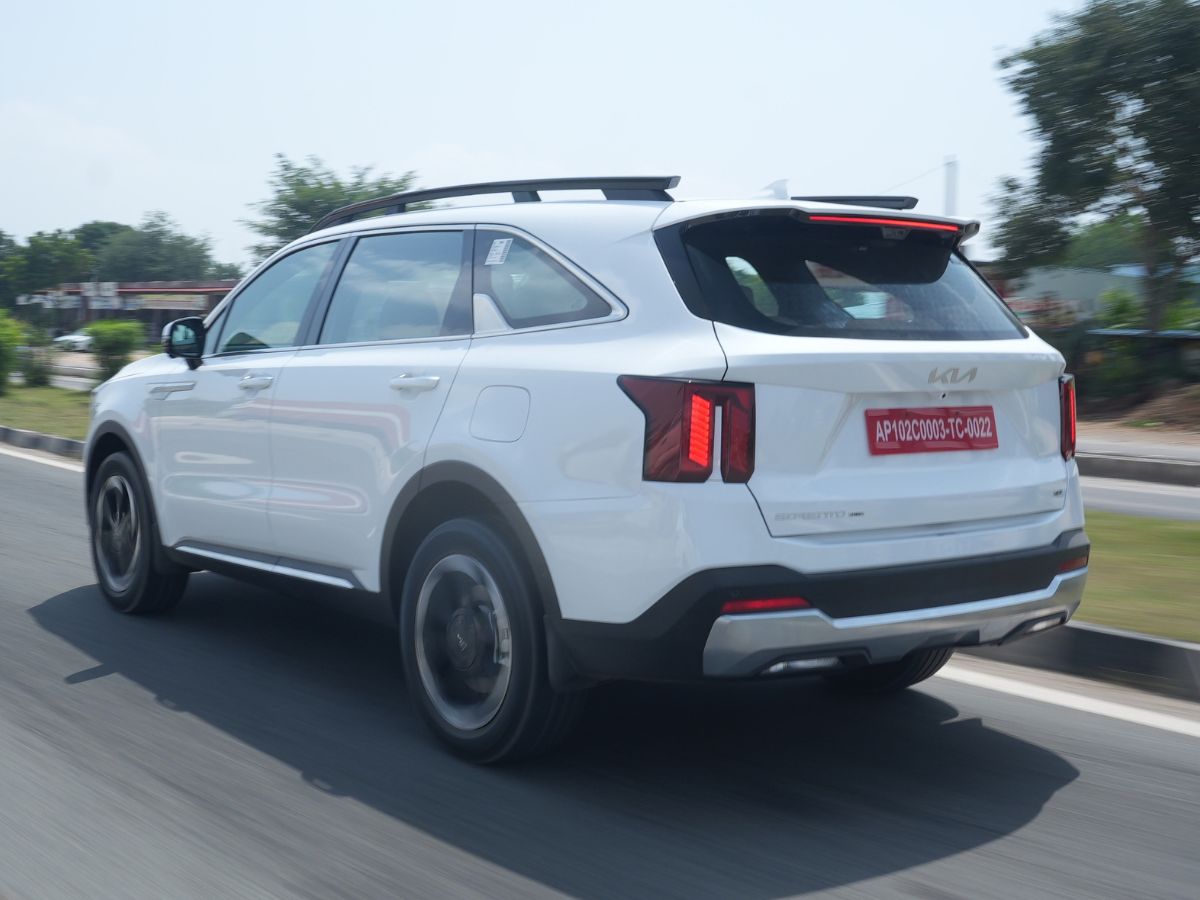
This is a very subjective matter. However, we do feel the Sorento could look a bit more premium/exciting from the outside. It almost looks too simple and utilitarian for its price. But the 4.8m length gives it an appreciable road presence.
Interior
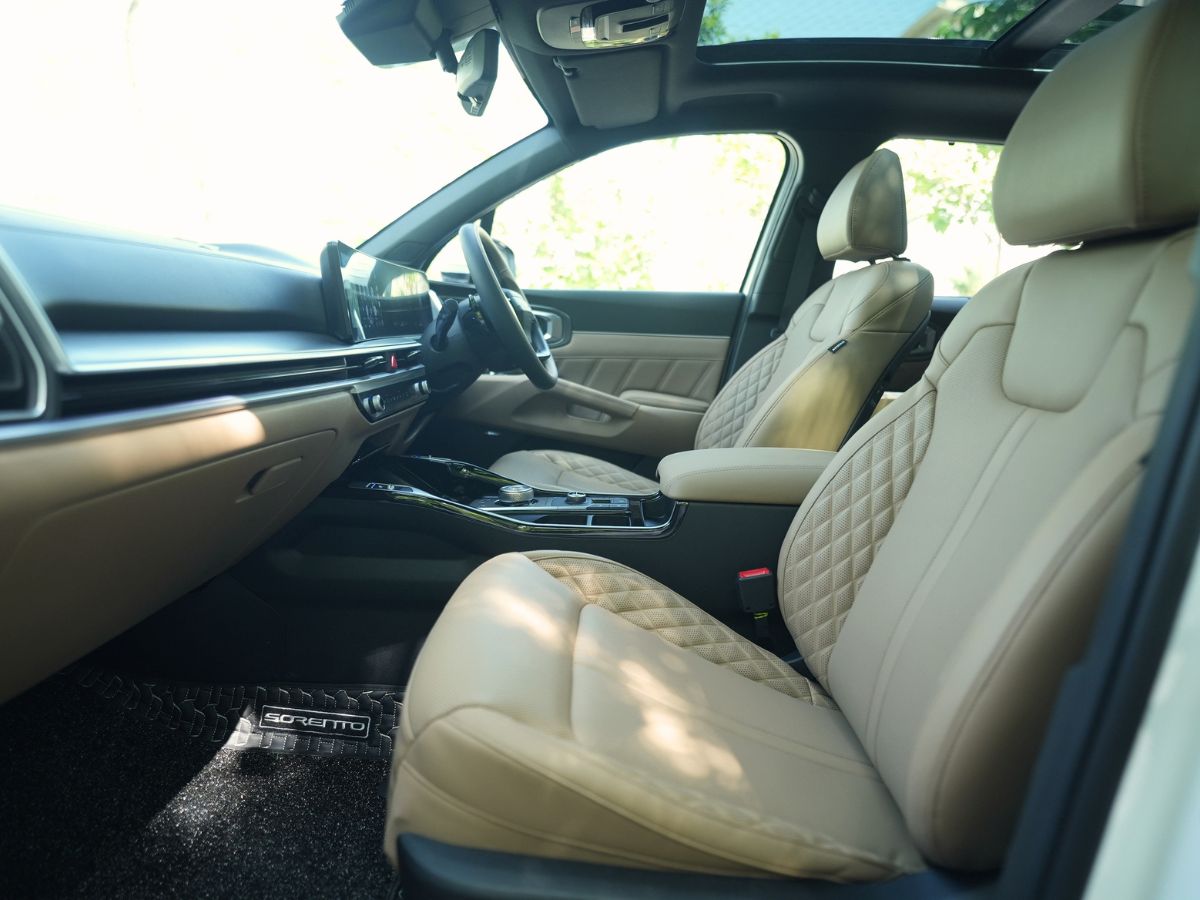
The space inside is good, and the seats are quite soft and comfortable. However, this only applies to the first and second rows. Unfortunately, the third row is not even suitable for older kids. And the legroom or space in general isn’t the issue; it’s the design of the third-row seats and how they are placed. Unfortunately, the entry/exit and seating posture are not satisfactory. In the 7-seater version, it’s best to fold the third row (seats fold flat) and use it as a proper 5-seater with a big boot. The boot space, even with the third row up, is more impressive than its rivals, given the car’s 4.8 m length.
Kia Sorento Performance
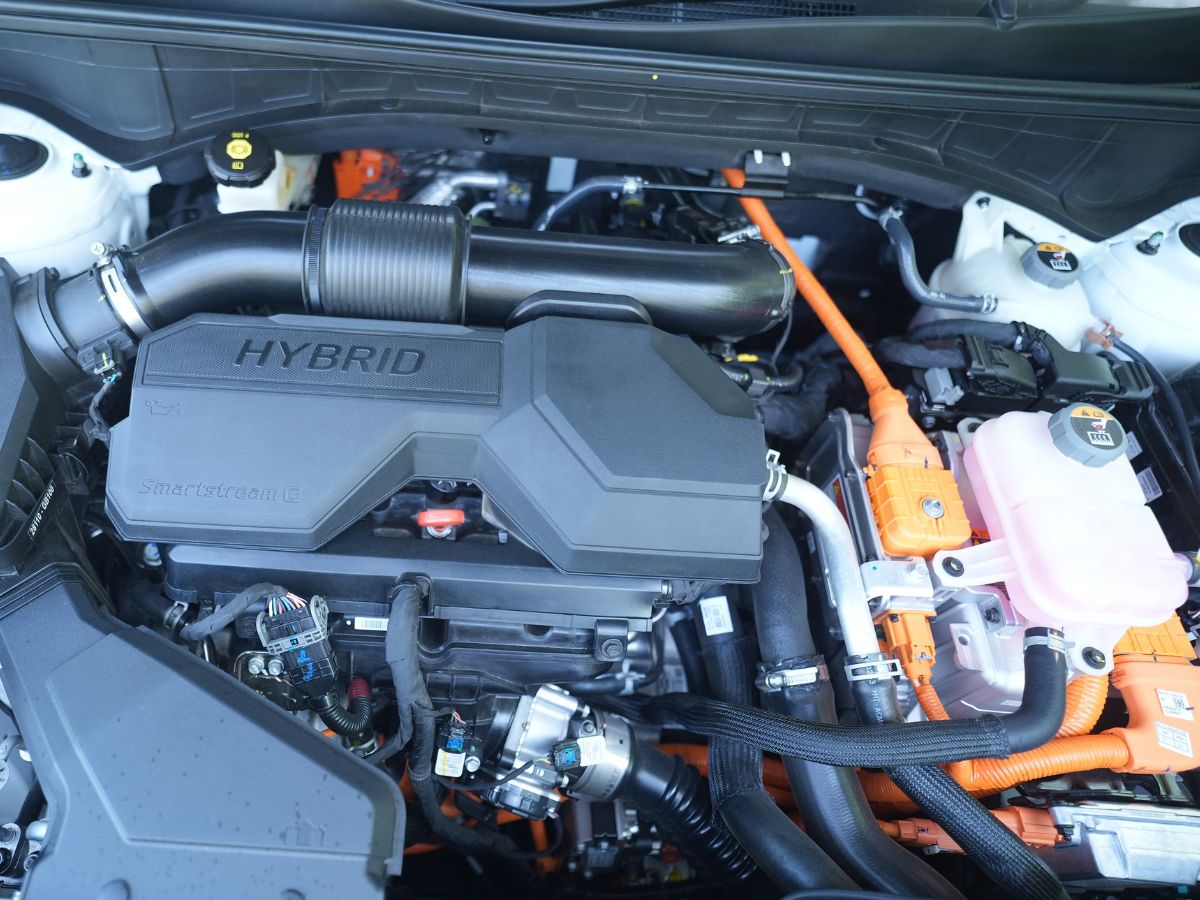
The Sorento comes with pretty interesting engine and gearbox pairings. It’s Kia’s first hybrid model in India, featuring a 1.6-litre turbo petrol engine, a six-speed torque converter, and a strong hybrid system comprising an electric motor and small Li-ion battery. It is also a lucrative option for diesel enthusiasts, since it comes with Kia’s tried-and-tested 2.2-litre diesel engine – the same unit as the Carnival. What makes the engine unique in the Sorento is its 8-speed DCT, making it the only diesel-DCT car you can buy in India.
Starting with the hybrid, there are no refinement complaints – the engine pulls smoothly, with no NVH issues. The key concerns are below-adequate power & torque output, and the tall gearing. With a single occupant, the Sorento hybrid’s output feels adequate, but while driving, we felt that with a full load, the car would struggle and run out of steam quickly. The tall gearing makes this concern more noticeable, as the next gear kicks in only after the engine is running low on top-end grunt. This could also hurt overall mileage.
Hands down, the diesel engine is the one to go for in the Sorento. The 190 bhp and 442 Nm torque output is more than enough to make the diesel Sorento’s drive quite fun. The power delivery is linear – do not expect your head to be pushed into the headrest if you stamp the accelerator, even in Sport mode. The DCT is quick and responds well at all speeds. Interestingly, we managed to take the car to substantial triple-digit speeds, but the gearbox did not change over sixth!
Ride Quality & Handling
This aspect is one of the Sorento’s key highlights: its comfort, ride quality, and suspension setup. The car pretty much eats up even the nastiest of bumps, and car-rattling rumble strips feel like minor road imperfections. However, this comfort comes at a small cost – the relatively softer suspension setup means the Sorento rolls a bit in corners. The cars we drove were fitted with Vredestein Giugiaro tyres, which also performed beyond our expectations – offering a good balance of grip, softness, and very low road noise.
Kia Sorento: What Do We Think?
So, is it a proper Fortuner rival? Well, not according to us. Sure, it has all-wheel drive that should help off-road, but you simply cannot do Fortuner-level off-roading with it – they are two very different cars in this respect.
The Sorento is more of an upgrade for current Harrier, Safari, and XUV 7XO owners who want an SUV with more premium features and a better driving feel. If we had to bet on which of the two engines would be more efficient, we would pick the diesel over the petrol hybrid.