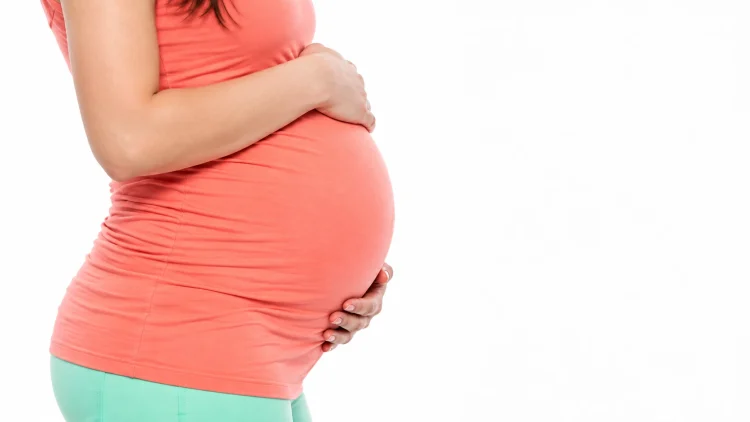
Karwa Chauth – Karwa Chauth is a significant festival for married Hindu women, who traditionally observe a day-long fast and break it after sighting the moon in the evening. However, the occasion can raise questions for women who are expecting a baby, particularly those considering a fast without food or water. Although observing the festival may hold deep personal and cultural meaning, pregnancy changes the body’s nutritional and hydration needs. Fertility expert Dr. Isha Nandal has addressed these concerns in an Instagram post, highlighting the importance of medical guidance before fasting during pregnancy. The key consideration is how to celebrate the occasion without compromising the health and well-being of the mother or her developing baby.
Is Karwa Chauth Fasting Advisable During Pregnancy?
Pregnancy places additional demands on the body, making regular nutrition and adequate fluid intake important. Going for an extended period without food or water may not be suitable for every expectant mother. The risks can vary depending on the stage of pregnancy, existing medical conditions, hydration status and the individual’s overall health.
According to the advice shared by Dr. Isha Nandal, pregnant women should speak with their gynaecologist before deciding whether to observe the fast. A doctor can assess their medical history and pregnancy-related needs before offering personalised recommendations.
Women with conditions such as diabetes, a history of dehydration or other pregnancy complications may need particular care. There is no single recommendation that applies to every pregnancy, so it is important not to follow fasting practices simply because they are customary in the family.
Why a Waterless Fast May Be Risky
A traditional Karwa Chauth fast often involves avoiding both food and water until the moon is visible. During pregnancy, prolonged fluid restriction can increase the risk of dehydration, especially in hot weather or when a woman experiences vomiting or nausea.
Possible warning signs include unusual weakness, dizziness, headaches, a dry mouth and passing less urine than usual. Dehydration may become more concerning if these symptoms persist or worsen. Going without food for an extended period can also make some women feel faint or unwell.
Pregnant women should not assume that a waterless fast is safe simply because they have observed it in previous years. Pregnancy can change how the body responds to reduced fluid and food intake. Anyone wishing to participate in the festival should discuss safer alternatives with their healthcare professional, including whether they should eat and drink at regular intervals.
Monitor Your Baby’s Movements and Energy Levels
Paying attention to the baby’s movements is an important part of pregnancy care, particularly once a regular movement pattern has developed. If movements become noticeably reduced or stop, seek urgent maternity assessment rather than waiting until the fast is over or assuming that eating or drinking will resolve the problem.
Reduced fetal movement can have several causes and needs prompt evaluation by a healthcare professional. It should never be dismissed as a normal consequence of fasting.
Expectant mothers should also pay attention to their own symptoms. Persistent dizziness, fainting, significant weakness, repeated vomiting or difficulty keeping fluids down warrants medical advice. If symptoms are severe, urgent medical care may be necessary.
Maintaining appropriate energy intake is important throughout pregnancy. A clinician can advise on meal timing, fluid intake and any additional monitoring needed according to the stage of pregnancy and individual health circumstances.
What Should Pregnant Women Eat and Drink?
Women who receive medical advice not to undertake a traditional fast can still participate in Karwa Chauth rituals in ways that suit their health needs. Depending on their doctor’s recommendations, they may choose regular meals, adequate water intake and nutritious snacks throughout the day.
Suitable food choices may include fresh fruit, milk or yoghurt, nuts and balanced meals containing carbohydrates, protein and other essential nutrients. Individual dietary requirements vary, particularly for women managing gestational diabetes, food intolerances or other medical conditions, so food choices should be tailored accordingly.
Juice is not a substitute for water, and drinks with large amounts of added sugar may not be appropriate for everyone. Plain water is generally a useful way to maintain hydration unless a healthcare professional has advised otherwise.
If a woman begins feeling unwell during a fast, she should not ignore the symptoms to complete the ritual. She should stop fasting, take appropriate fluids or food if she can safely do so, and contact her healthcare professional for advice. Severe symptoms or reduced fetal movement require prompt medical attention.
Celebrate the Festival While Prioritising Pregnancy Health
Karwa Chauth can remain meaningful even when pregnancy requires changes to traditional practices. Expectant mothers may choose to take part in prayers, dress for the occasion or join family celebrations without undertaking a prolonged fast. Discussing these options with family members beforehand can help reduce pressure to follow practices that may not be suitable.
The most important step is to consult a gynaecologist before making decisions about fasting. Advice should be based on the mother’s health, the progress of the pregnancy and any existing risk factors rather than general claims shared on social media.
Pregnancy is a time when hydration, balanced nutrition and appropriate medical care deserve priority. By planning ahead and following professional guidance, women can celebrate Karwa Chauth while making informed choices for their own health and their baby’s well-being.