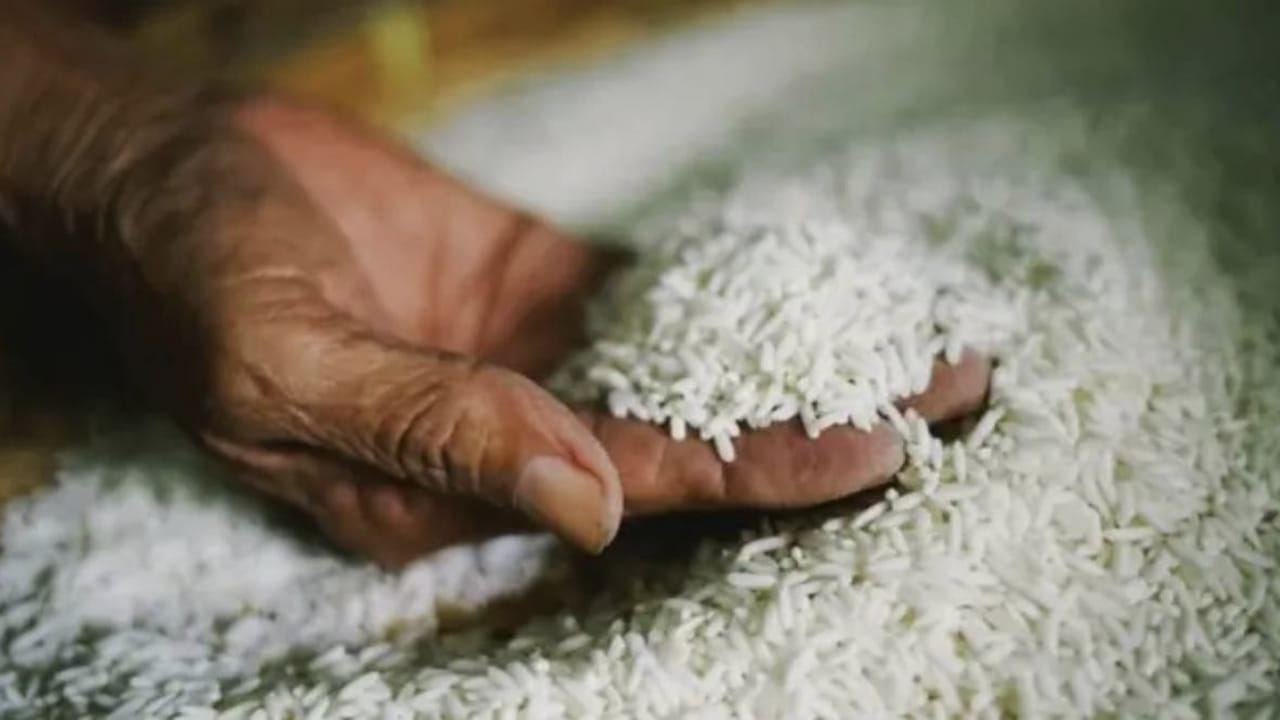
Sona Masuri rice prices have dropped by ₹10 to ₹20 per kg in Karnataka, with the popular variety now selling at ₹65 to ₹70 per kg. Increased supplies of freshly harvested paddy from Maharashtra and Telangana have eased prices.
Consumers in Karnataka have reason to welcome some relief as retail prices of new Sona Masuri rice have declined following a period of rising costs. The popular rice variety, which was previously priced at ₹80 to ₹90 per kg, is now selling for around ₹65 to ₹70 per kg, marking a reduction of ₹10 to ₹20 per kg. The decline follows an increase in paddy supplies from Maharashtra and Telangana, with larger quantities of freshly harvested produce reaching rice mills.
The wholesale price of paddy has also fallen by approximately ₹2,000 per quintal, easing pressure on the rice market. The development is expected to benefit households that have been spending more on this everyday staple.
Sona Masuri Rice Prices Fall In Karnataka Markets
The price of new Sona Masuri rice has declined considerably in Karnataka markets. Consumers who were previously paying between ₹80 and ₹90 per kg can now purchase the variety for approximately ₹65 to ₹70 per kg.
The reduction of ₹10 to ₹20 per kg comes as a relief to households, particularly those that regularly consume Sona Masuri rice. Improved paddy availability has played an important role in bringing down market prices.
Increased Paddy Supply Brings Down Rice Prices
The recent decline in rice prices follows an improvement in paddy availability after supplies had tightened in the market. Earlier, reduced paddy arrivals had contributed to higher rice prices, putting additional pressure on consumers.
However, paddy supplies from Maharashtra and Telangana have now increased following the completion of the harvest. Larger quantities of freshly harvested paddy are reaching rice mills, improving availability and contributing to the decline in prices.
Paddy Prices Drop By ₹2,000 Per Quintal
The increase in paddy arrivals has also influenced wholesale prices. According to industry representatives, the price of paddy, which had reached approximately ₹8,500 per quintal during the period of higher prices, has now declined to around ₹6,500 per quintal.
This represents a reduction of approximately ₹2,000 per quintal. The fall in paddy prices has contributed to the reduction in the market price of new Sona Masuri rice, offering some relief to consumers.
Rice Mill Owners’ Association Welcomes Price Reduction
Savitri Purushottama, State Working President of the Rice Mill Owners’ Association, said the decline in rice prices was good news for consumers. She also pointed out that farmers who cultivated paddy were receiving favourable prices for their produce.
Explaining the supply situation, she noted that paddy production was lower in the Tungabhadra river basin but higher in the Krishna river basin. With the harvest now complete, larger quantities of paddy are entering the market, improving availability and contributing to lower rice prices.
Rice Mill Owners Seek Higher Government Stock Limits
While welcoming the price reduction, Savitri Purushottama raised concerns about the existing stock limits for rice. She urged the government to increase the permissible stock limit, warning that any reduction could create difficulties for rice mills and potentially push prices up again.
According to her, rice mills require adequate stocks to maintain operations and ensure a steady supply of rice to the market. Restrictions affecting paddy availability could create challenges for the industry and eventually affect consumers.
Summer Paddy Shortage May Affect Future Supply
The association representative also highlighted concerns about the upcoming summer season, when paddy production is expected to remain limited. With the likelihood of another substantial harvest being low, rice mills may have to depend largely on the paddy currently arriving in the market.
She said the available stocks would be crucial for sustaining rice mill operations over the coming year. Maintaining adequate paddy supplies and reviewing government stock limits could therefore play an important role in preventing another increase in rice prices.
Lower Sona Masuri Prices Bring Relief To Karnataka Consumers
The decline in Sona Masuri rice prices offers relief to households that have been dealing with higher grocery expenses. Increased paddy arrivals from Maharashtra and Telangana have improved market availability and contributed to lower wholesale prices.
However, future price movements will depend on paddy production, market arrivals and government stock policies. For now, consumers in Karnataka can benefit from the lower prices of new Sona Masuri rice following the recent improvement in market supplies.