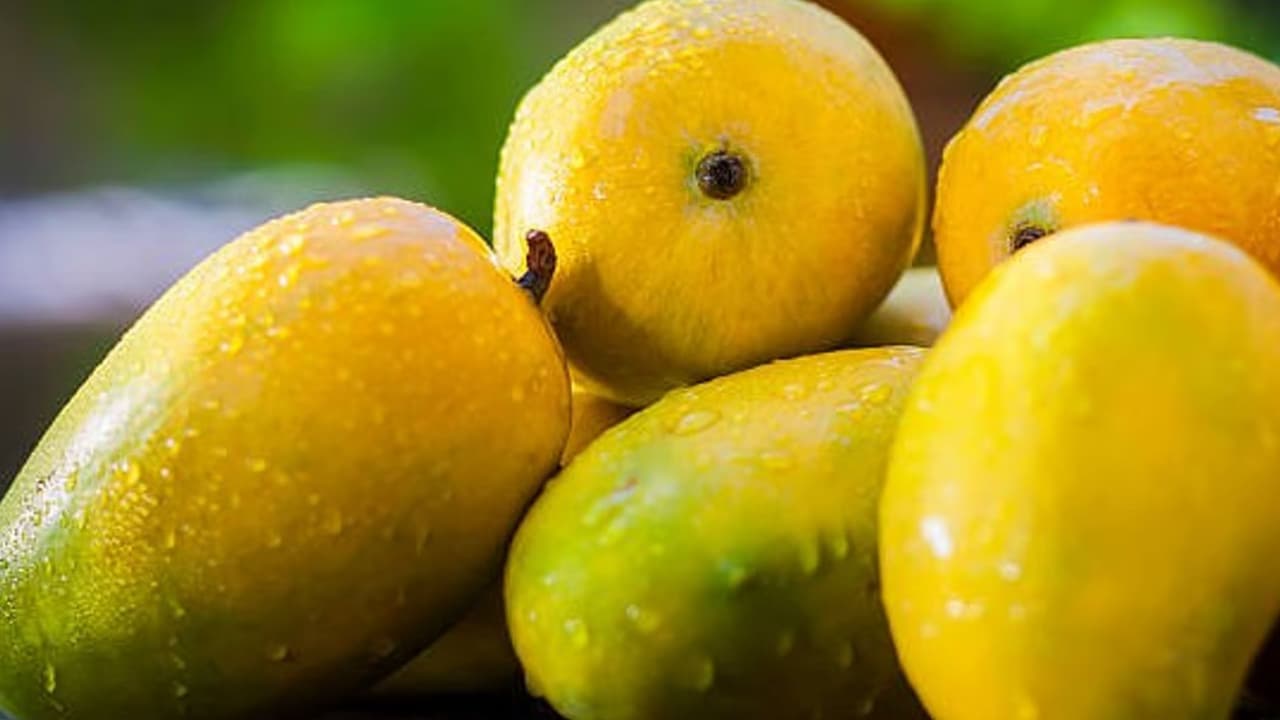
Karnataka’s mango crop has been affected by erratic weather linked to climate change, causing large-scale flower and fruit drop in key districts. Farmers fear reduced yield and rising cultivation costs, which may push mango prices higher this season.
Mango orchards across Karnataka, including Ramanagara, Kolar, Mysuru and Haveri districts, are currently in full bloom, raising hopes of a strong harvest this season. However, erratic weather conditions linked to climate change have triggered large-scale dropping of flowers and young fruits, leaving growers anxious. If the decline in fruit retention continues in the coming weeks, production may fall significantly, potentially leading to higher mango prices and an increased burden on consumers.
Erratic Weather Causes Flower and Fruit Drop
Sudden changes in weather patterns, including unseasonal rain, strong winds, excessive heat and prolonged cold, have resulted in the dropping of young mangoes in several districts such as Ramanagara, Kolar and Haveri. Climate fluctuations during the critical flowering and fruit-setting stages, along with occasional hailstorms, have affected fruit quality and stunted crop development.
The most severe damage has been reported in Ramanagara and Kolar districts, where mango production has been considerably affected, resulting in losses worth crores of rupees for growers.
Cold and Fog Affect Fruit Setting
Every year, mango growers face multiple challenges due to unpredictable weather, pests, diseases, rising input costs and fluctuating income. Although this season witnessed abundant flowering in many orchards and fruit-setting has begun in certain areas, weather conditions have not remained favourable.
Typically, if cold conditions subside and sunshine increases by the end of January, fruit-setting improves. However, this year, persistent cold and dense fog in several regions have led to flower drop, dampening farmers’ expectations of a bumper harvest.
Heat Stress and Rising Cultivation Costs
In areas such as Shiggaon and Hanagal, mango trees have entered the fruit-setting stage. However, the increasing intensity of the sun in recent days has caused young fruits to drop prematurely.
Farmers say mango cultivation is increasingly becoming a gamble with the weather. To control flower and fruit drop, as well as pest and disease outbreaks, growers are compelled to spray pesticides costing tens of thousands of rupees, adding to their financial burden.
Horticulture Department Issues Advisory
In Haveri district, mango trees have recorded high flowering this season. However, excessive cold and heavy dew during January have resulted in noticeable flower drop.
SH Baragimath, Deputy Director of the Department of Horticulture, Haveri, stated that awareness programmes are being conducted to guide farmers on disease and pest management. Pamphlets are being distributed, and farmers have been advised to spray pesticides strictly according to expert recommendations from the Horticulture Department if disease outbreaks occur.
Price Rise Likely if Yield Drops
Agricultural experts caution that if adverse weather conditions persist and fruit retention continues to decline, overall mango production may decrease. This could lead to a rise in market prices in the coming months, directly impacting consumers.