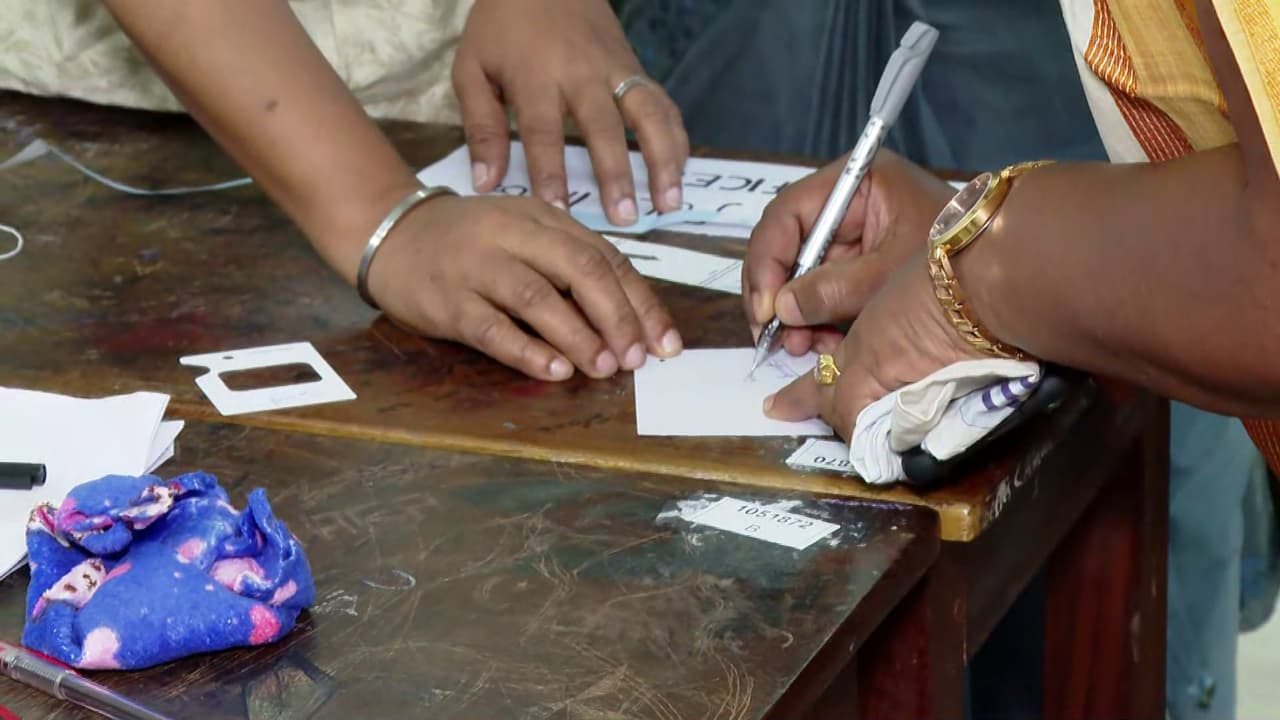
After a 36-year gap, the KPCC has formed a nine-member committee, including two Cabinet ministers, to study the feasibility of reintroducing student union elections in Karnataka colleges. The panel will submit its report in 15 days.
After a gap of 36 years, the Karnataka Pradesh Congress Committee (KPCC) has initiated steps to explore the reintroduction of student union elections in the state. To this end, the party has constituted a nine-member committee, including two Cabinet ministers, to study the prevailing situation on college campuses and examine the feasibility of reviving the elections.
KPCC President and Deputy Chief Minister DK Shivakumar constituted the committee on Saturday and directed it to submit a comprehensive report within 15 days. The move follows growing demands from party leaders and student organisations, who believe that student elections play a crucial role in strengthening democratic values and nurturing leadership among the youth.
Dr Sharan Prakash Patil Appointed Convener
Medical Education Minister Dr Sharan Prakash Patil has been appointed as the convener of the committee. Other members include Higher Education Minister Dr MC Sudhakar; Government Chief Whip in the Legislative Council Saleem Ahmed; MLAs Rizwan Arshad and B Shivanna; Legislative Council members Puttanna and Basavanagouda Badarli; Karnataka Pradesh Youth Congress Committee (KPYCC) President HS Manjunath; and National Students’ Union of India (NSUI) President Keerthi Ganesh.
Scope of the Committee’s Study
The committee has been tasked with conducting a detailed examination of various aspects related to student union elections. This includes identifying the levels at which elections can be conducted, assessing the pros and cons and possible consequences, and determining whether the elections should be held under political party banners, along ideological lines, or in a non-political manner focused solely on student welfare.
It has also been asked to examine eligibility criteria for voters and candidates, the election process and system, norms governing expenditure and transparency, grievance redressal mechanisms, and security arrangements. The report must further address issues such as reservations for women, minority communities and persons with disabilities, as well as the tenure of the student union.
Background to the Ban
Student union elections in Karnataka were banned in 1989 by the then Congress government led by Veerendra Patil, following an increase in violence and law-and-order issues on college campuses. Since then, student bodies in most institutions across the state have functioned without elected unions.
Leadership Support for Revival
Explaining the rationale behind the move, DK Shivakumar said Congress leader Rahul Gandhi had written to him and the Chief Minister, questioning why student elections should not be reconsidered.
“Many party leaders and workers have also expressed the same view. Student union elections will help promote democratic representation, maintain academic discipline, and bring new leaders to the forefront,” he said.