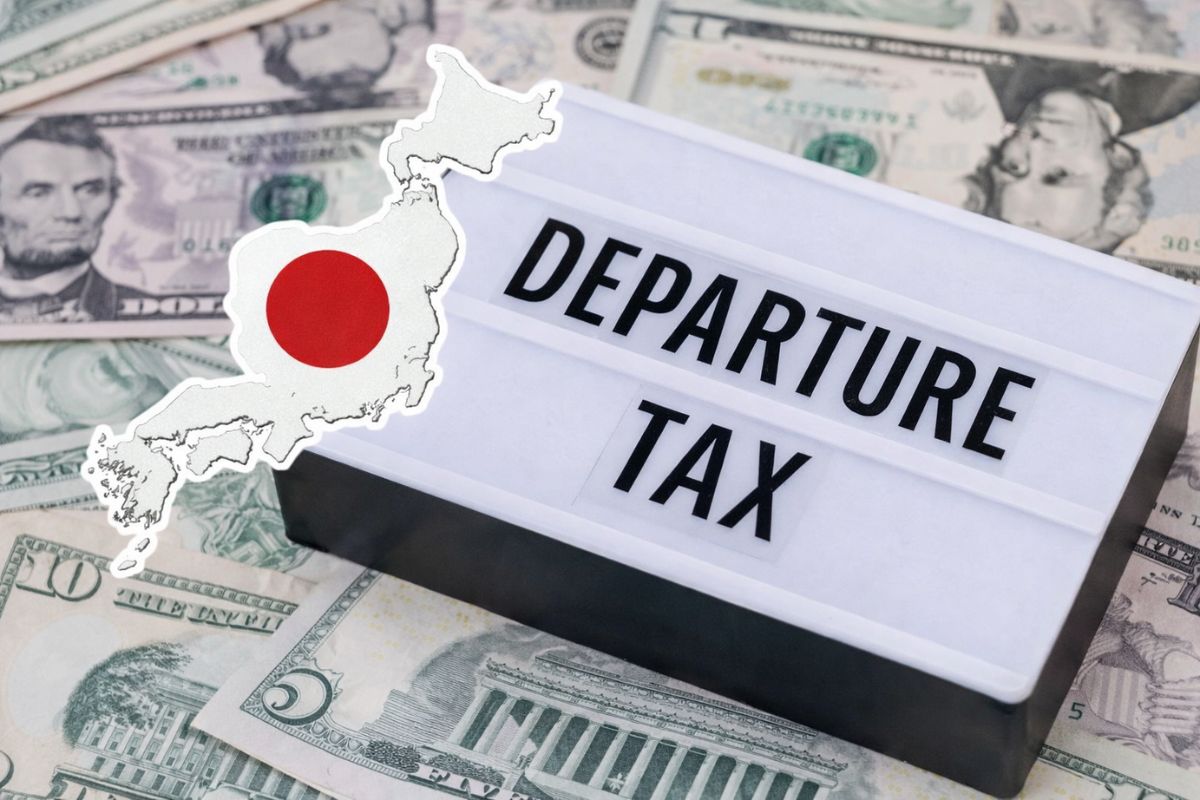
Leaving Japan will cost more from July 2026, regardless of who you are or where you’re headed. The country plans to triple its departure tax for all international travellers.
Japan will raise its departure fees from the current JPY 1,100 to as high as JPY 3,000 per person, applying to everyone leaving the country by plane or ship.
Japan’s Departure Tax Explained
Japan charges a departure tax on travellers leaving the country by air or sea. The fee is added to tickets and helps fund tourism management and infrastructure improvements.
Who Will Pay the Higher Tax?
The rule is simple.
- All travellers aged two and above will pay it
- It applies to every nationality, including Japanese citizens
- The tax is charged when you leave Japan for another country
You won’t see it as a separate bill. The amount is added directly to your airline or ferry ticket.
There are a few exceptions. Airline crew members are exempt. Transit passengers who leave Japan within 24 hours also do not pay the tax.
Why Japan Is Raising the Departure Tax
Japan introduced this tax in January 2019. Since then, it has quietly become a major source of income.
In the year ending March 2025, Japan collected a record JPY 52.48 billion from the departure tax. That jump came as international travel surged back strongly.
The government says the extra money will help manage overcrowding at popular tourist spots. Think busy streets, packed trains, and pressure on local communities. The aim is to improve visitor behaviour and ease congestion.
For the 2026 financial year, Japan expects tourism-related tax revenue to reach around JPY 130 billion, nearly 2.7 times higher than current levels.
What This Means for Japanese Travellers
Japanese citizens are not exempt. They will also pay the higher tax when travelling abroad.
To soften the impact, the government is considering lowering passport issuance fees for residents. The idea is to use some of the extra tax income to balance the cost for locals.
Nothing is final yet, but the discussion is on the table.
More Travel Fees Are Coming
The departure tax is not the only change on the horizon.
By 2028, Japan plans to introduce a new pre-travel screening system called JESTA for travellers from visa-free countries. It works like an online travel authorisation and must be approved before departure.
The expected JESTA fee is between JPY 2,000 and JPY 3,000 per person.
If both charges apply, travellers could end up paying:
- JPY 3,000 departure tax
- JPY 2,000 to JPY 3,000 for JESTA
That puts the total extra cost at around JPY 5,000 to JPY 6,000 per trip.
What About Visa Fees?
Travellers who already need a visa may face higher costs too.
Japan is considering increasing visa issuance fees by up to five times for some nationalities, including visitors from China and parts of Southeast Asia. Short-term travellers who are visa-free will not be affected by these changes.
The Bottom Line for Travellers
Japan is not closing its doors. But it is clearly making international travel more expensive.
If you are planning trips from 2026 onward, expect higher exit costs and new pre-travel checks. For frequent travellers, these fees will add up. For occasional visitors, it is still a small price compared to overall travel costs, but it is something you will notice.
Japan remains one of the world’s most popular destinations. The message now is clear. Travel is welcome, but it comes with a higher price tag.
Follow and connect with us on Facebook, Twitter, LinkedIn, Instagram and Google News for the latest travel news and updates!