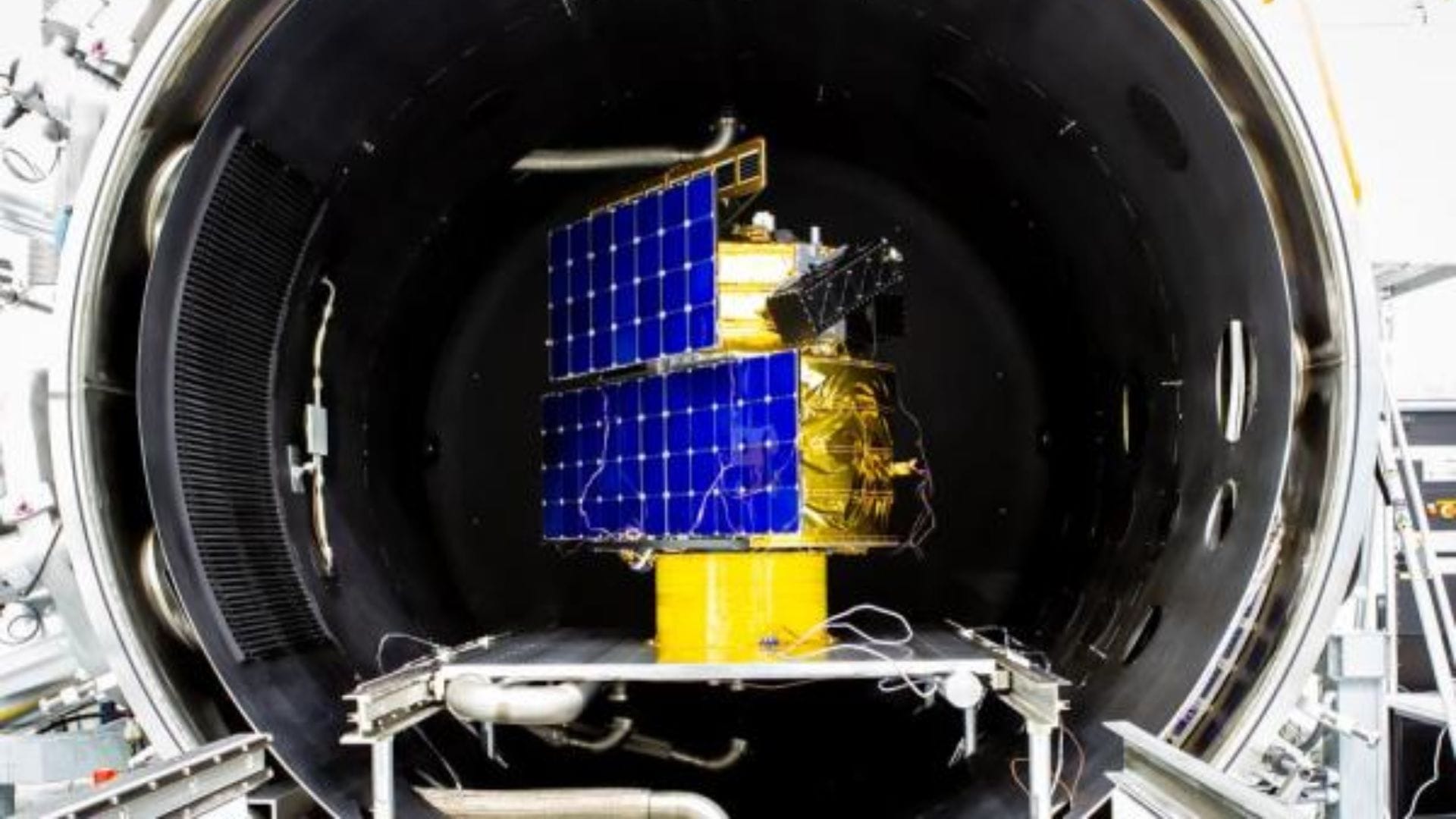
New Delhi: The Space Maitri mission is a significant milestone in the strategic partnership between Australia and India in the space domain. Maitri here stands for Mission for Australia-India’s Technology, Research and Innovation, and fosters closer ties between commercial and institutional space organisations in both nations, as well as the national space agencies. The mission is focused on debris management and sustainability, and is aligned with the core values of both India and Australia when it comes to space operations. The mission will demonstrate multiple technologies designed and developed for sustainable space activities.
The rocket that will carry the mission to space is the Small Satellite Launch Vehicle (SSLV), the smallest and newest operational rocket in ISRO’s fleet. The SSLV is operated by New Space India Limited (NSIL), the commercial arm of ISRO. Note that this mission is different from the Maitri satellite collaboration between Bangladesh and India. The payload will be the Optimus Orbital Servicing Vehicle (OSV) by Space Machines Company, by Space Machines Company. After being deployed by the launcher, Optimus will rendezvous and inspect targeted assets or space debris. The technologies on board will evaluate the technical feasibility and economic viability of proximity operations in space.
Debris Management and Servicing
When a vehicle breaks down on the road, a service truck shows up and tows it away. If there is a puncture, there are repair shops along the highways. Vehicles are routinely serviced, repaired and upgraded to operate optimally. Such services are not easily available to satellites. The Space Maitri mission will explore the possibilities of extending such ‘roadside’ services to satellites. A number of Indian partners are collaborating on the mission, including Digantara, that provides Space Situational Awareness and Ananth Technologies, a vendor that frequently works with ISRO. The University of Technology Sydney, The University of Sydney, LeoLabs, The Australian Strategic Policy Institute and the Australian Astronomical Optics at Macquarie University are the Australian institutes collaborating on the project.