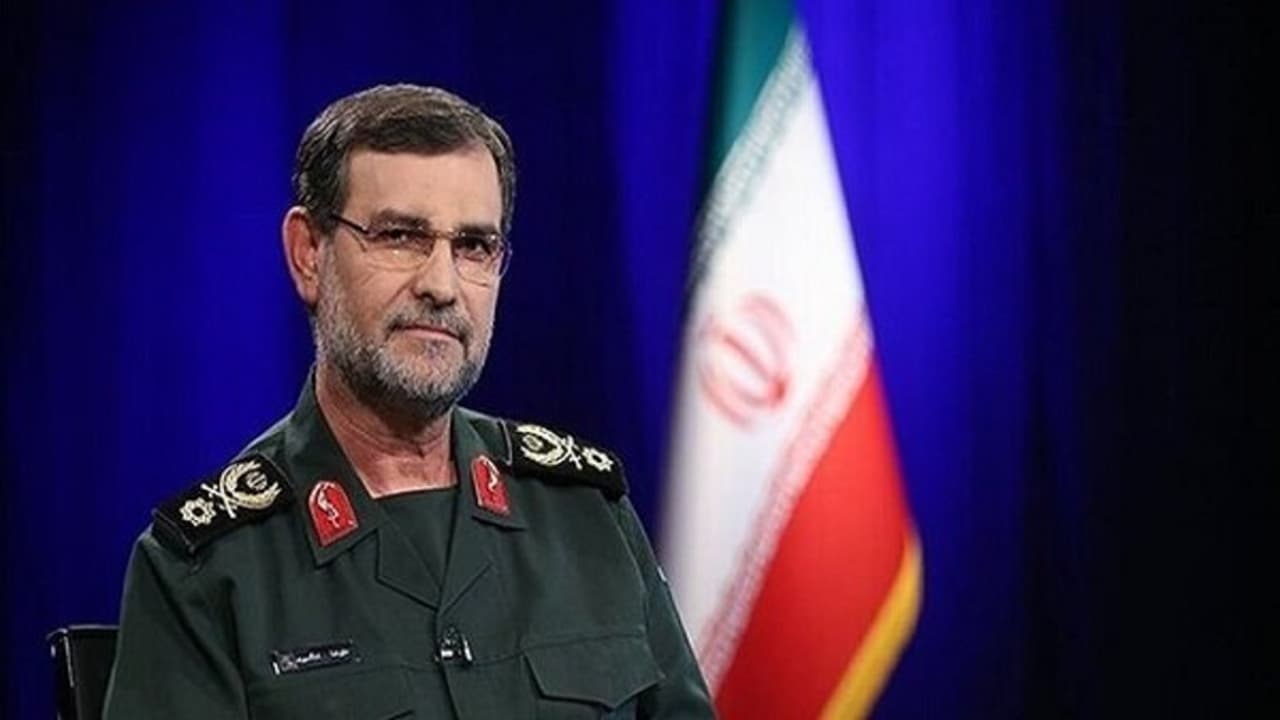
Israel has claimed to have killed Alireza Tangsiri, the commander of Iran’s IRGC Navy, in a targeted airstrike near the Strait of Hormuz. However, this claim remains unverified as Iran has not issued an official confirmation. Tangsiri was a key figure in Iran’s naval strategy.
Israel has claimed that Alireza Tangsiri, the commander of Iran’s Islamic Revolutionary Guard Corps (IRGC) Navy, was killed in a targeted strike, marking another major escalation in the ongoing Middle East conflict. However, there has been no official confirmation from Iran, leaving the claim unverified.
According to Israeli officials, Tangsiri—considered a key figure in Iran’s naval strategy—was killed in an airstrike near the strategically vital Strait of Hormuz. The waterway is one of the world’s most critical oil transit routes, and Tangsiri had been closely linked to Iran’s efforts to control or disrupt maritime movement in the region.
Tangsiri, who has led the IRGC Navy since 2018, has long been known for his hardline stance against the United States and its allies. In past statements, he had warned of aggressive retaliation against Western forces in the Persian Gulf, underlining his role as a central figure in Iran’s military posture at sea.
The reported killing is part of a broader pattern of targeted strikes by Israel and the United States against senior Iranian leadership since the conflict intensified in late February 2026. Several high-ranking officials have been killed in similar operations, including key security and military figures, signalling a strategy aimed at weakening Iran’s command structure.
Also Read: Iran’s Intelligence Minister Esmail Khatib Killed In Overnight Strike, Says Israeli Defence Minister
Israeli officials have not publicly released detailed evidence to support the claim of Tangsiri’s death, and Iranian authorities have yet to respond formally. This lack of confirmation has raised questions about the accuracy of the claim, especially in a conflict where information warfare and competing narratives play a significant role.
The development comes amid heightened tensions in the region, particularly around the Strait of Hormuz, where Iran has previously threatened to block shipping routes in response to US-Israeli military actions. The potential loss of a senior naval commander could have significant implications for Iran’s maritime strategy and its ability to project power in the Gulf.
Analysts say that if confirmed, Tangsiri’s death would mark a major blow to Iran’s naval leadership at a time when the country is already grappling with leadership losses and sustained military pressure. It could also trigger further retaliation from Tehran, raising fears of a wider regional escalation.
As the conflict continues, the claim surrounding Tangsiri’s death underscores the volatile and uncertain nature of the situation, where major developments emerge rapidly but often remain contested. For now, the world is watching closely for official confirmation from Iran and further details on what could be a significant turning point in the ongoing war.
Also Read: Iran Vows Revenge on Khamenei’s ‘Murderers’, Promises ‘Ferocious’ Offensive After US-Israel Strikes