New Delhi: Iran has warned the United States that any attack would trigger a wider regional conflict, even as it moved to designate European Union armies as “terrorist groups” in retaliation for mounting pressure from Washington. The sharp rhetoric comes amid heightened tensions after President Donald Trump ordered an expanded US naval presence in the Middle East while repeatedly threatening intervention if Tehran refuses a nuclear deal or continues a violent crackdown on protesters.
Despite the brinkmanship, both sides have signalled a willingness to keep diplomatic channels open. Regional actors, including Turkey, have urged de-escalation, warning that miscalculation could spiral into a broader confrontation.
Naval buildup and mixed signals from Washington
Washington has deployed warships led by the USS Abraham Lincoln to waters near Iran, a move officials say is meant to deter aggression. Trump has publicly suggested he is allowing Tehran time to step back from confrontation but has also said patience is limited, according to comments attributed to Washington’s ambassador to NATO.
Trump said on Saturday that Iran is “seriously talking” with Washington and that he hopes Tehran will accept a deal to give up its nuclear weapons, while keeping the option of military action on the table.
Tehran’s response and warnings
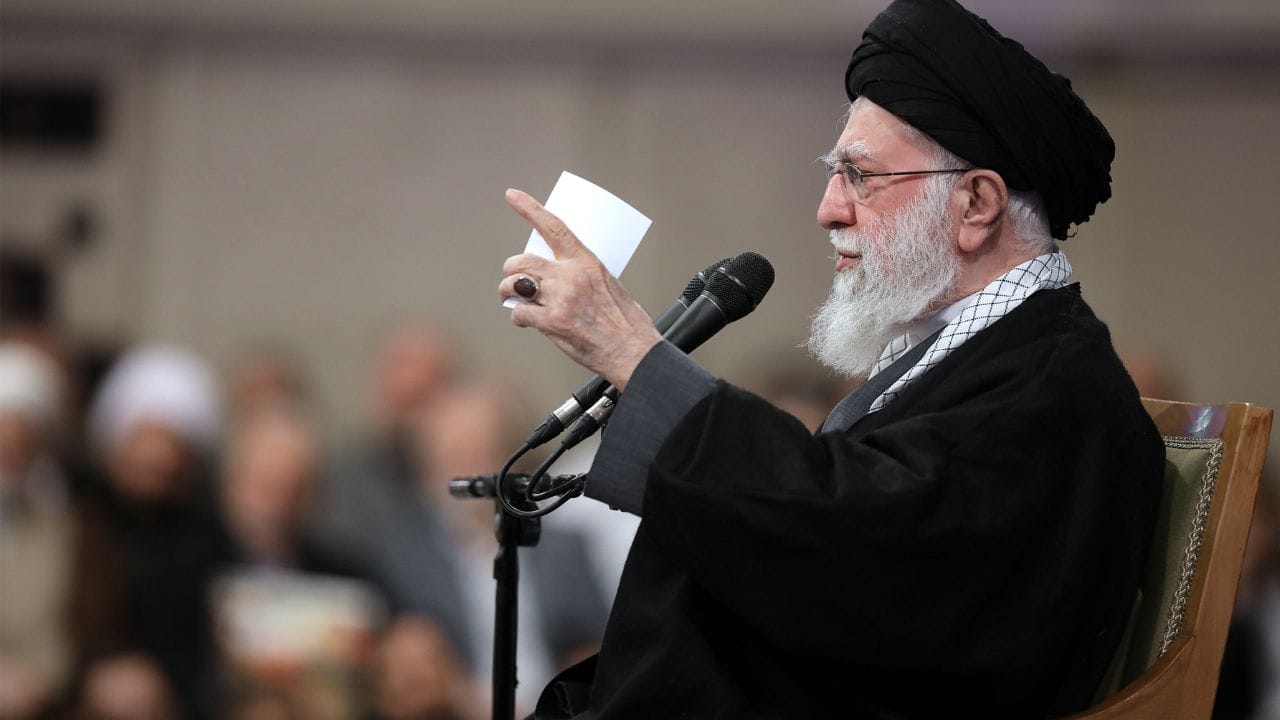
Iran’s leadership has struck a defiant tone. Supreme Leader Ali Khamenei said “all options are on the table” as tensions rise. President Masoud Pezeshkian warned of a “firm and decisive response” to any attack, stressing that Iran cannot be “forced” into negotiations through threats.
Tehran has also warned that it would respond with missile strikes on US bases, ships and allies, including Israel, if hostilities begin.
Diplomacy, protests and regional fallout
Iranian officials continue to insist they do not seek war. During a call with Egypt’s President Abdel Fattah al-Sisi, Pezeshkian said, “The Islamic Republic of Iran has never sought, and in no way seeks, war, and it is firmly convinced that a war would be in the interest of neither Iran, nor the United States, nor the region.”
Army chief Amir Hatami said forces are at full readiness, warning that any mistake would threaten regional security, according to IRNA.
An explosion reported at a residential building in Bandar Abbas was later attributed to a gas leak, officials said, amid speculation fueled by the standoff.
Meanwhile, protests that began in late December over economic grievances have added another layer of strain. Tehran has accused Washington and Israel of stoking unrest. The US-based Human Rights Activists News Agency said it has confirmed 6,563 deaths during the protests, including 124 children, while internet restrictions continue to limit information flow.
Foreign Minister Abbas Araghchi has said Iran is open to nuclear talks, but stressed that the country’s missiles and defence “will never be negotiated.”