Iran-US peace talks in Pakistan: Why Tehran wanted JD Vance to lead US side

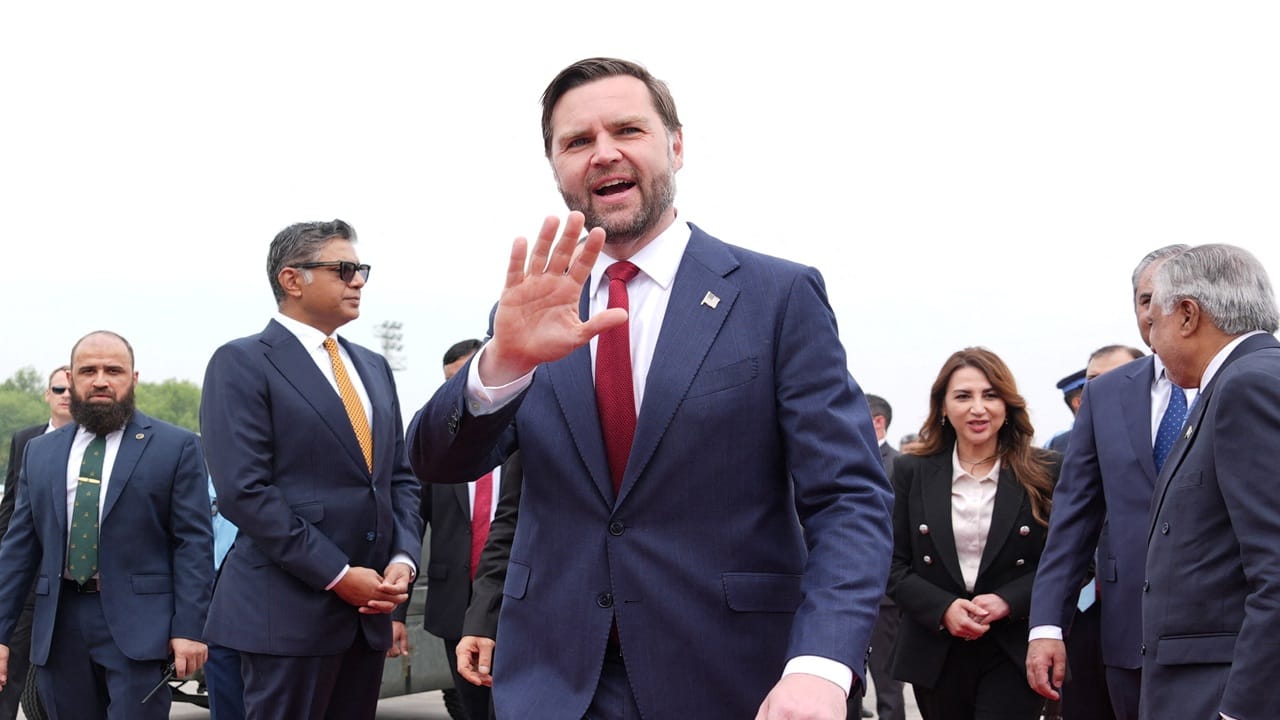
New Delhi: US Vice President JD Vance on Saturday reached Pakistan for the keenly-watched Iran-US talks that could either end the war that has been going on for more than a month now or could escalate it. The Trump administration’s decision to send Vance to Islamabad for the high-stakes negotiations with top Iranian officials was not largely a US initiative but a specific “desire” of the Iranian side.

A US delegation led by Vance, earlier today, reached Pakistan for high-level talks with Iranian representatives in a first such meeting since the war began on February 28. The Iranian side is led by Iran’s Parliament Speaker Mohammad Bagher Ghalibaf and Foreign Minister Seyed Abbas Araghchi. The negotiations will test whether they can reach a fragile ceasefire and pave the way for peace.

Why Iran wanted Vance for talks?

Vance was handpicked to head the US delegation for the talks as several Iranian officials wanted him to lead the negotiations, considering him as one of the most anti-war figures in President Donald Trump’s inner circle, according to people familiar with the talks.

Tehran believes Vance is the most likely among Trump’s close representatives to seek a deal in good faith, Reuters reported, citing sources.

The other two officials in the US delegation — special envoy Steve Witkoff and Trump’s son-in-law, Jared Kushner — are not regarded as acceptable faces for the talks by Iran, according to reports. Iranian officials believe that the two were responsible for the failure of previous negotiations and would prefer military escalation over diplomatic engagement.

Vance less interested in war?

On the other hand, Iranian officials see Vance as someone less interested in war architecture and more in ending it. Iranian interlocutors believe he is a more reasonable negotiator, given his earlier skepticism of the military escalation.

For Iranian officials, Vance has emerged as a more reasonable negotiator with his earlier skepticism of the military escalation. Iranian interlocutors believe Vance has left the impression that he would make an effort to end the war. He has been the most consistent critic of the Trump administration, and this has also led Iranian officials to pitch his name for talks, according to the New York Times.

The talks come against the backdrop of a fragile two-week ceasefire that gave a glimmer of hope for the war-torn Middle East. If the talks yield a positive outcome, experts believe it could result in more popularity for Vice President Vance

Iran-US peace talks in Pakistan: Why Tehran wanted JD Vance to lead US side

New Delhi: US Vice President JD Vance on Saturday reached Pakistan for the keenly-watched Iran-US talks that could either end the war that has been going on for more than a month now or could escalate it. The Trump administration’s decision to send Vance to Islamabad for the high-stakes negotiations with top Iranian officials was not largely a US initiative but a specific “desire” of the Iranian side.

A US delegation led by Vance, earlier today, reached Pakistan for high-level talks with Iranian representatives in a first such meeting since the war began on February 28. The Iranian side is led by Iran’s Parliament Speaker Mohammad Bagher Ghalibaf and Foreign Minister Seyed Abbas Araghchi. The negotiations will test whether they can reach a fragile ceasefire and pave the way for peace.

Why Iran wanted Vance for talks?

Vance was handpicked to head the US delegation for the talks as several Iranian officials wanted him to lead the negotiations, considering him as one of the most anti-war figures in President Donald Trump’s inner circle, according to people familiar with the talks.

Tehran believes Vance is the most likely among Trump’s close representatives to seek a deal in good faith, Reuters reported, citing sources.

The other two officials in the US delegation — special envoy Steve Witkoff and Trump’s son-in-law, Jared Kushner — are not regarded as acceptable faces for the talks by Iran, according to reports. Iranian officials believe that the two were responsible for the failure of previous negotiations and would prefer military escalation over diplomatic engagement.

Vance less interested in war?

On the other hand, Iranian officials see Vance as someone less interested in war architecture and more in ending it. Iranian interlocutors believe he is a more reasonable negotiator, given his earlier skepticism of the military escalation.

For Iranian officials, Vance has emerged as a more reasonable negotiator with his earlier skepticism of the military escalation. Iranian interlocutors believe Vance has left the impression that he would make an effort to end the war. He has been the most consistent critic of the Trump administration, and this has also led Iranian officials to pitch his name for talks, according to the New York Times.

The talks come against the backdrop of a fragile two-week ceasefire that gave a glimmer of hope for the war-torn Middle East. If the talks yield a positive outcome, experts believe it could result in more popularity for Vice President Vance