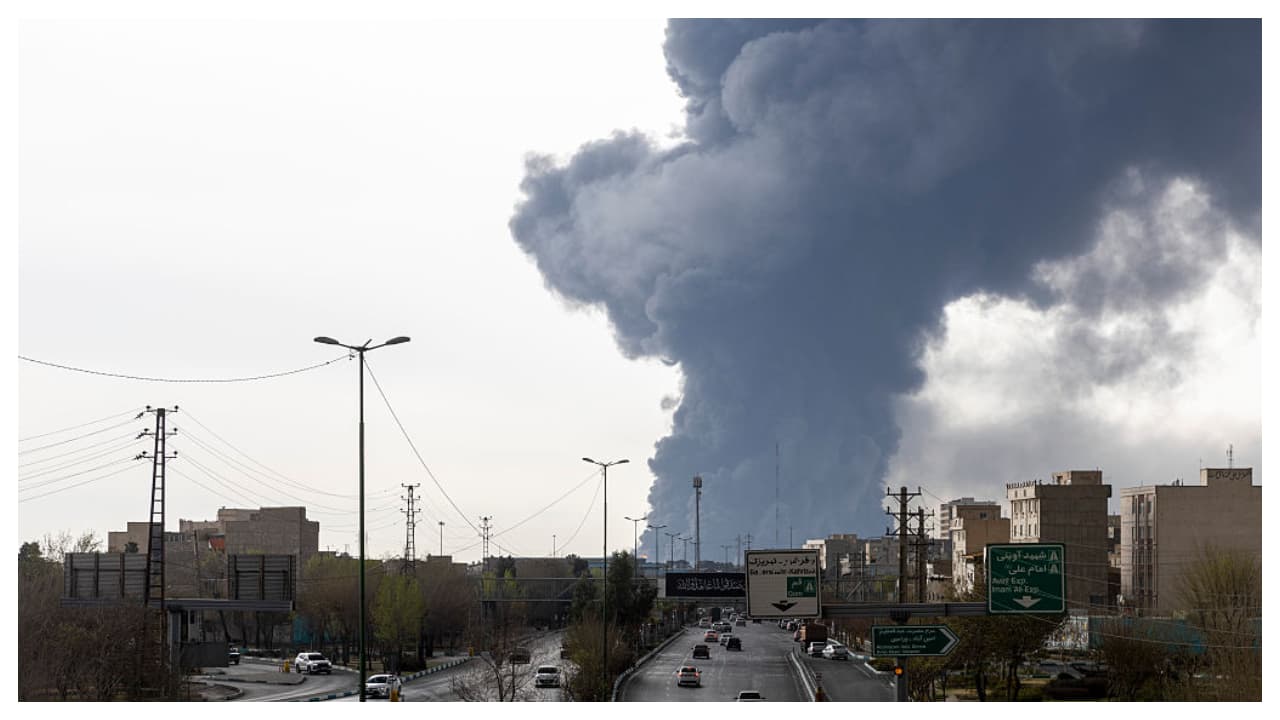
Tensions escalated after Donald Trump threatened to attack Iranian power plants if the Strait of Hormuz was not reopened. In response, Iran warned it would target critical infrastructure, including desalination facilities that supply drinking water to millions.
Tensions in the Middle East escalated sharply after Donald Trump issued a 48-hour ultimatum demanding Iran reopen the Strait of Hormuz or face attacks on its power plants. In response, Iran warned it could target critical infrastructure across the region, including desalination facilities that supply drinking water to millions.
According to Iranian officials, any US strike on energy infrastructure would trigger retaliation against “enemy” assets, including water, energy and IT systems. The warning marks a significant escalation, as desalination plants are civilian lifelines in the Gulf, where natural freshwater is scarce.
Trump had earlier posted, “if Iran doesn’t fully open… the United States… will hit and obliterate their various power plants, starting with the biggest one first!”, signalling a major expansion of potential targets in the conflict.
Also Read: ‘Sky Erupts In Flames’: Moment Iranian Missile Hits Israel’s Dimona Caught On Camera (WATCH)
Why Desalination Plants Are High-Stakes Targets
Desalination facilities play a crucial role in the Middle East, with the region accounting for a significant share of global capacity. Millions depend on these plants for daily drinking water, making them highly sensitive and controversial targets during conflict. Experts warn that any disruption could trigger severe humanitarian consequences, including water shortages and public health risks.
The threat is not theoretical. Recent attacks have already demonstrated the vulnerability of such infrastructure, with reports of drone strikes damaging desalination facilities in the region.
The escalating rhetoric comes amid a broader conflict involving Iran, Israel, and the United States, with missile strikes, energy disruptions and military actions intensifying across the region. The Strait of Hormuz, a key global oil route, remains at the centre of the crisis, amplifying economic and geopolitical stakes.
As both sides exchange warnings, the focus on civilian infrastructure like water and energy systems signals a dangerous shift in the conflict. With millions dependent on desalinated water, any strike on these facilities could transform the crisis from a military confrontation into a full-blown humanitarian emergency.
Also Read: Iran Denies Missile Attack on UK’s Diego Garcia Military Base: Report