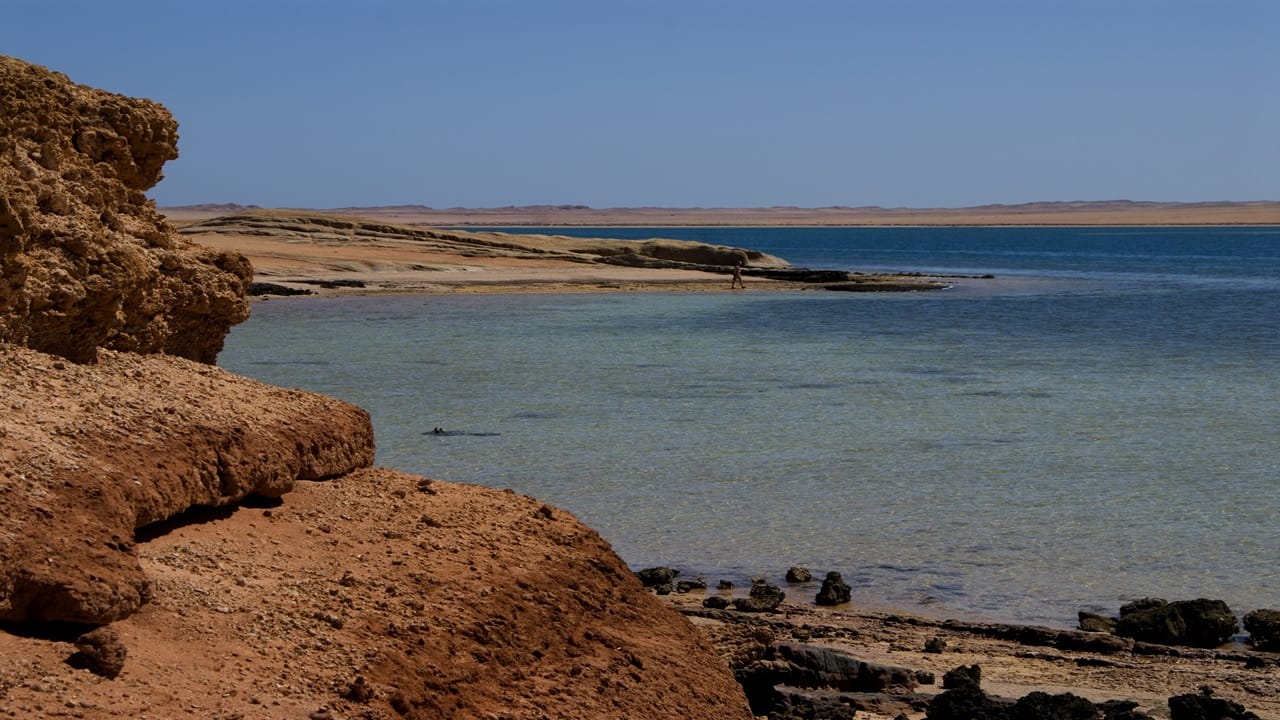
New Delhi: Despite an attempt at peace talks in Islamabad, tensions between Iran and the US-Israel alliance in West Asia continues to worsen. A major part of this aggression is now being played out at various marine checkpoints in the region, principal among them the Strait of Hormuz, which has essentially been closed by Iran for the US and some of its Western allies. In response, the US too recently announced the blockade of the Strait.
Iran now looks to play on the offensive again, as Major General Ali Abdollahi Aliabadi of the Khatam-al Anbiya Central Headquarters, warned on Wednesday that Tehran could shut down traffic in the Red Sea along with other crucial regional shipping lanes if the United States military’s blockade of Iranian ports continues.
Iran’s latest manoeuvre
According to The Middle East Eye, General Ali Abdollahi Aliabadi delivered the warning in an address aired by Iranian state television. In his address, Aliabadi said if the US blockade continued, it “creates insecurity for Iran’s commercial vessels and oil tankers” and constitutes “a prelude” to violating the ongoing US-Iran ceasefire talks. “The powerful armed forces of the Islamic Republic will not allow any exports or imports to continue in the Persian Gulf, the Sea of Oman, and the Red Sea,” Aliabadi reportedly added.
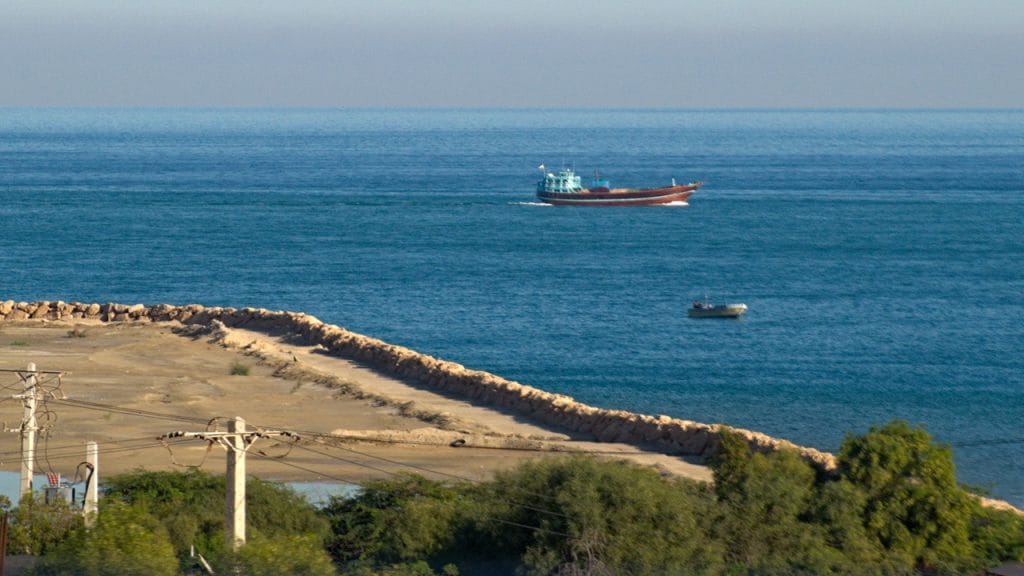
Fishing ships sailing in the Strait of Hormuz by Qeshm island, Persian Gulf, Iran
War of straits
In response White House press secretary Karoline Leavitt said to Fox News that, “The Iranians’ desperation for a deal will only increase with President Trump’s highly effective Naval blockade now in effect, which is sending oil tankers towards the big, beautiful Gulf of America.”
Things thus look to only worsen. As part of this development, the US Central Command released a statement on Wednesday saying the country stopped nine vessels attempting to break the blockade on Iranian ports. This exacerbating escalation has sharpened fears of what might be referred to as a potential “war of straits” in which marine chokepoints across West Asia become instruments of strategic pressure. This trend, if continued, can have disastrous effects for global trade.
Tehran’s latest threat to extend disruption into the Red Sea significantly widens the theatre of this aspect of the conflict. The Red Sea connects to the Suez Canal, a vital artery for Europe–Asia trade and disruptions by Iran here will only cascade problems for the global economy.