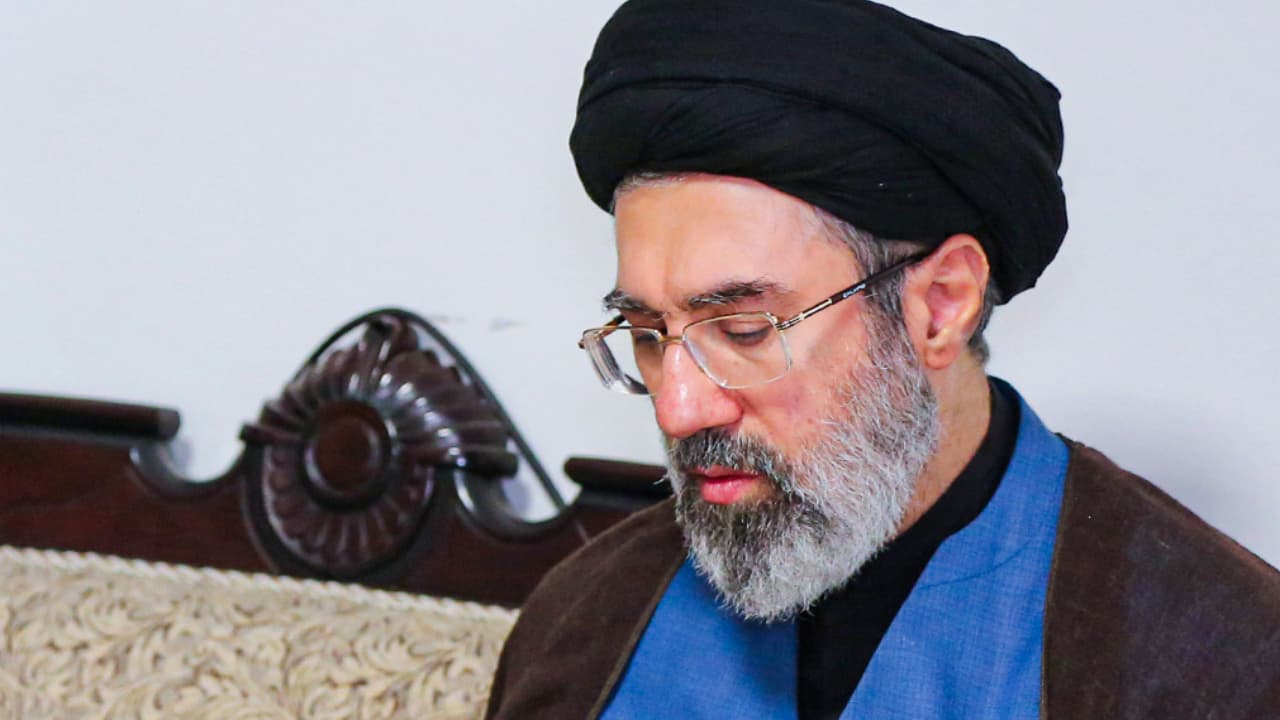
Senior Iranian political and security figure Ali Larijani was killed in a targeted airstrike, adding uncertainty to Tehran’s leadership during a regional conflict. Considered a key strategist, his death impacts Iran’s wartime coordination and internal politics.
The killing of senior Iranian political and security figure Ali Larijani in an airstrike has added a new layer of uncertainty to Tehran’s leadership during the ongoing regional conflict involving Iran, Israel and the United States. According to reports, Larijani died along with his son and several close aides in a targeted strike that has been described as one of the most significant blows to Iran’s strategic establishment in recent weeks. The incident comes at a time when hostilities in the region are already intensifying, raising concerns about further escalation and instability.
Larijani was widely regarded as a key figure within Iran’s power structure, with decades of experience in both political and security roles. His death is therefore being viewed not only as a tactical loss but also as a development with broader implications for the country’s wartime coordination and internal political dynamics.
Influential Role In Iran’s Strategic Decision-Making
Over the years, Larijani held several prominent positions, including serving as secretary of Iran’s Supreme National Security Council. In this role, he was seen as operating at the heart of Iran’s strategic decision-making apparatus. He reportedly coordinated proposals from various branches of the security and political establishment, presented options to senior leaders and helped implement national policies during periods of heightened tension.
His influence extended beyond formal titles. Analysts often described him as a strategist capable of bridging divides between competing factions within Iran’s complex political system. This ability to navigate institutional rivalries made him an important stabilising presence during crises, including the current conflict that has strained the country’s security infrastructure.
The loss of such an experienced figure could therefore affect how effectively Iran manages both military operations and internal consensus-building in the coming weeks.
Also Read: Iran Crisis: After Ali Larijani Killing, Who Can US Talk To In Tehran? | Explained
Succession Debate Intensifies Political Uncertainty
Larijani’s death has also drawn attention because of his reported stance on the sensitive issue of leadership succession. Reports suggest he had opposed the possible elevation of Mojtaba Khamenei as the next supreme leader following the death of Ayatollah Ali Khamenei during the conflict. His reservations were said to be rooted in concerns that hereditary succession would contradict the ideological foundations of the Islamic Republic.
The succession question has become increasingly significant as wartime pressures reshape Iran’s political landscape. While some factions have supported Mojtaba Khamenei’s rise as a means of ensuring continuity and stability, others have expressed apprehension about concentrating power within a narrow circle of loyalists. Larijani’s reported opposition highlighted the existence of internal debate at a time when unity is seen as crucial for navigating external threats.
Targeted Strikes Reshape Iran’s Leadership Structure
The airstrike that killed Larijani is part of a broader pattern of targeted operations against senior Iranian officials during the ongoing conflict. Israeli forces have reportedly sought to weaken Tehran’s command structure by eliminating key figures involved in strategic planning and military coordination. Such strikes have intensified fears of escalation while also altering the balance of power within Iran’s leadership.
These developments come against the backdrop of sustained missile exchanges, drone attacks and mounting casualties across the region. As senior decision-makers are removed from the equation, new leaders may emerge with different priorities and approaches to both warfare and diplomacy. This evolving leadership dynamic could have far-reaching consequences for the trajectory of the conflict.
Also Read: ‘Defence Won’t Fall’: Why Iran Vows Strong Response After Senior Leader Ali Larijani Killed
Implications For Iran’s Stability And Regional Outlook
Despite the significant loss represented by Larijani’s death, Iran’s institutional framework is expected to continue functioning. The country’s governance structure includes multiple centres of authority, ranging from clerical bodies and elected institutions to powerful security organisations. This system is designed to ensure continuity even during periods of crisis.
However, analysts suggest that the removal of experienced figures like Larijani may reduce opportunities for consensus-building and pragmatic decision-making. His ability to engage with different factions had made him a valuable intermediary during sensitive policy discussions. Without such figures, the risk of hardline positions dominating the national discourse could increase.
At the same time, the broader geopolitical environment remains volatile. The ongoing conflict has already affected regional security calculations, energy markets and global diplomatic alignments. Iran’s internal political trajectory, shaped in part by leadership losses and succession debates, will therefore play a crucial role in determining how the crisis evolves.
Ultimately, the killing of Ali Larijani underscores the complex intersection of military confrontation and domestic power struggles in Iran. As the war continues, the shifting balance within Tehran’s leadership could influence not only the country’s strategic decisions but also the prospects for stability across the wider Middle East.
Also Read: Israel kills Iran’s Ali Larijani in major blow to Tehran’s regime