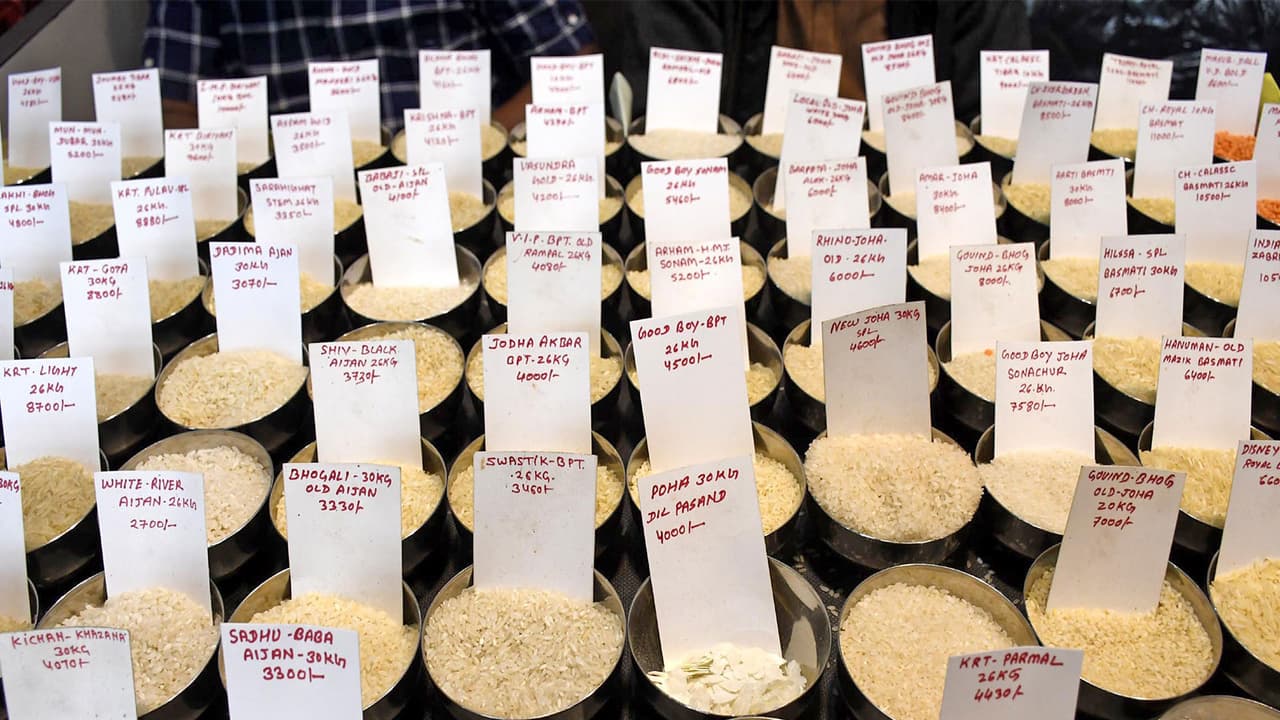
Amid the worsening situation in Iran and the Gulf, the Indian Rice Exporters Federation has advised members to halt new CIF deals, favouring FOB terms to mitigate risks of rising freight and insurance costs impacting key Mideast markets.
Indian Rice Exporters Federation (IREF) has issued an advisory to its members in view of the deteriorating situation in Iran and parts of the Gulf, and reports that movements through the Strait of Hormuz could be restricted. IREF members are advised not to undertake new CIF (cost, insurance and freight) commitments for these destinations and, wherever feasible, to conclude sales on FOB (free on board) terms so that freight and insurance and related risks remain with the international buyer.
Rationale Behind Advisory
“Developments in Iran and the United Arab Emirates can have an immediate impact on bunker (ship fuel) prices and, if oil prices rise, may also disrupt container and bulk vessel availability,” IREF said in a statement. “In such circumstances, container and bulk freight could increase sharply at short notice, exposing exporters to losses on fixed delivered-price contracts. The situation may also lead to steep increase in insurance premiums. Exporters are also advised to exercise restraint while concluding new orders and to avoid open-ended, unhedged positions,” it added.
Impact on Key Export Markets
India’s rice trade with Africa and the Middle East together accounts for roughly half of national rice exports. During April-December 2025, exports to the Middle East totalled 3.90 million MT and to Africa 7.16 million MT, as detailed below, it said.
Basmati Destinations Most Affected
The five leading basmati destinations are in the Middle East–Saudi Arabia, Iran, Iraq, UAE and Yemen–are therefore among the most directly affected and account for about 50 per cent of all basmati rice exports from India, IREF said.
IREF to Monitor Situation
“IREF is monitoring developments closely and is in touch with exporters whose consignments are in transit or awaiting clearance at destination ports. Any member facing such issues may seek the Federation’s assistance. With basmati wholesale prices up 10-15% over the past month and Iran being a key market, heightened volatility in basmati prices is expected in the coming days. The Federation will issue further advisories as the situation evolves,” the IREF said. (ANI)
(Except for the headline, this story has not been edited by Asianet Newsable English staff and is published from a syndicated feed.)