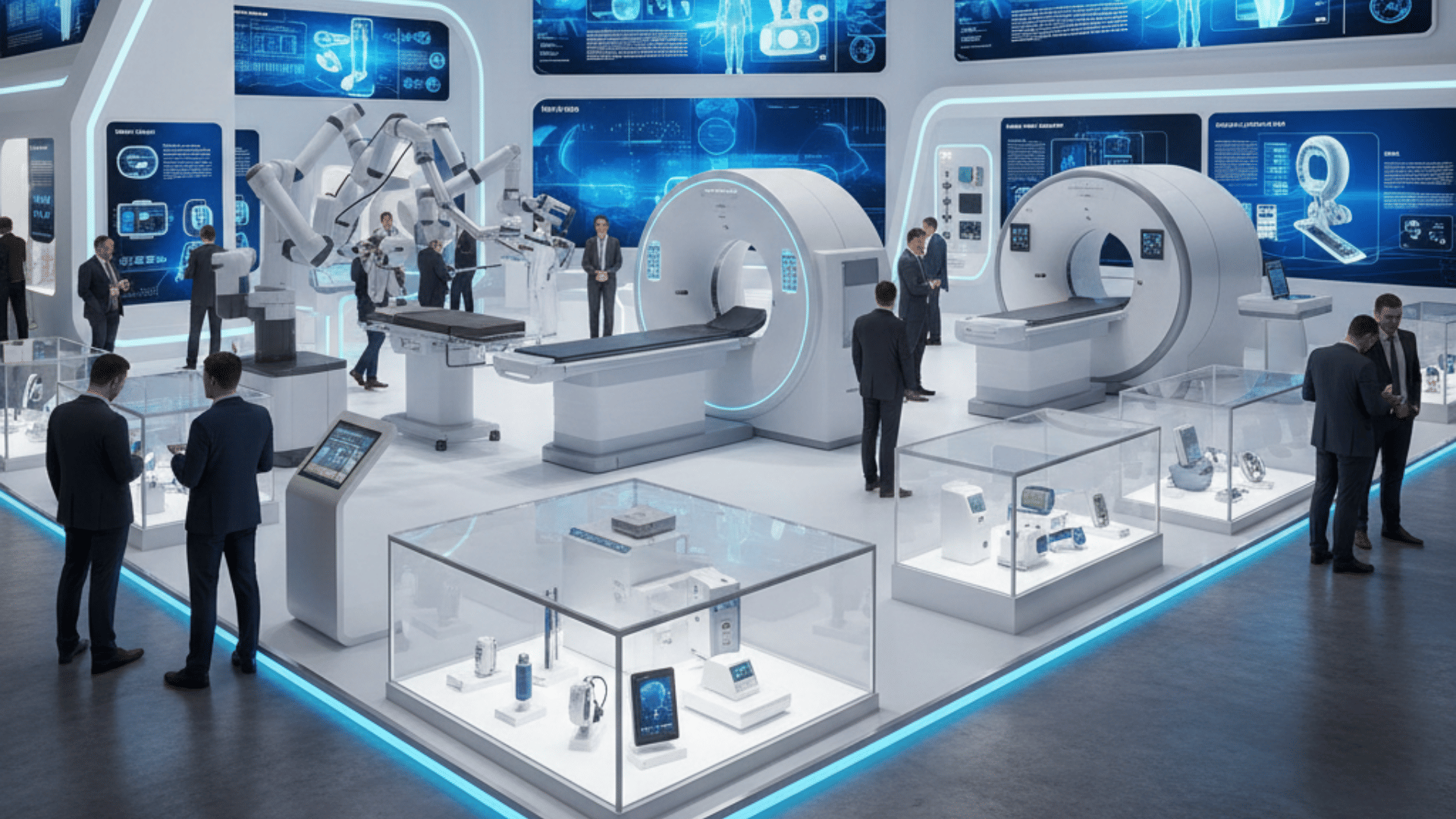
New Delhi: Medical device manufacturers in India have issued an urgent call to halt the import of refurbished medical devices. The MoEFCC has permitted the import of refurbished medical equipment imports despite the clear ban by the CDSCO, with the matter being sub judice for approvals. The clearances undermine regulatory integrity, and create an uneven playing field for domestic innovators. The industry in India has spent years in indigenous research, engineering and manufacturing, and have to compete with legacy international players who are dumping their old, outdated, used equipment in the country, including robotic surgical systems, MRI machines, CT scanners and other high-value equipment.
Forum Coordinator of AiMeD Rajiv Nath said, “The decision of the Expert Committee at MoEFCC to allow a few traders to import preowned medical equipment is very disconcerting and in conflict with earlier National Policy decisions whether from preventing India to be a dumping ground for e- waste or the National Medical Devices Policy that seeks to invite investment in green field projects to encourage manufacturing of Medical Devices and reduce our ever-increasing imports bills and dependence. We do hope that MoH&FW and CDSCO will not allow import License for these pre owned equipment to safeguard patient safety concerns as well as of the brave entrepreneurs who had got motivated by Dept of Pharma’s PLI scheme – we don’t allow preowned I- Phone or cars to protect domestic industry so why not same predictable principles being applied for medical equipment imports?”
Industry unites in opposition to recent clearances
Director Overseas Operations at Allengers Medical Systems Ltd. RS Kanwar said, “As a responsible stakeholder in India’s healthcare industry, I believe the import of refurbished medical equipment poses a direct threat to the quality and safety of patient care in our country. These machines often carry outdated technology, unpredictable performance, and unreliable spare-part support, resulting in frequent breakdowns and compromised diagnostic accuracy. Many refurbished systems do not meet the latest global safety standards, and their shorter lifespan and hidden defects create avoidable risks during critical medical procedures. At a time when India is rapidly advancing its healthcare capabilities, we must avoid lowering the technological benchmark by depending on obsolete imports. Instead, our focus should be on adopting modern, efficient, and locally manufactured equipment that ensures long-term reliability, better clinical outcomes, and supports the growth of India’s medical technology ecosystem.”
Senior Vice President of SS Innovations Srinivasa Reddy said, “Allowing refurbished medical devices into India at this stage sends the wrong message to manufacturers who have invested years in building world-class technologies domestically. Approvals granted outside the established regulatory framework put patient safety at direct risk. When CDSCO has clearly stated that refurbished devices cannot be imported, parallel permissions only create confusion and unfair advantage. India must not become a dumping ground for outdated equipment. We strongly urge an immediate reversal of these approvals.”
Atmanirbhar Bharat Agenda being undermined
Managing Director of Sequoia Healthcare Viswanathan Santhanagopalan said, “Government tendering frequently disadvantages Indian HEHV device makers by demanding unnecessary advanced features and foreign certifications (CE, FDA) instead of relying on Indian standards like BIS. This undermines the Atmanirbhar Bharat agenda. Identical import duties on new and used medical equipment allow refurbished global systems to compete directly with high-value Indian devices, suppressing domestic demand and discouraging local innovation and scale-up. The absence of a comprehensive safety and regulatory framework for used equipment sales and third-party service providers creates patient safety risks and enables an unregulated market that erodes the competitiveness of compliant Indian manufacturers.”
Such imports undermine the ‘Make in India initiative, and puts domestic manufacturers at a disadvantage. Industry bodies had previously opposed the imports of such devices a year ago, with CDSCO subsequently directing the Customs Office to prevent the import of such devices. The recent approvals by the MoEFCC are directly in conflict with the existing regulations. Notices have been issued to multiple ministries, with the matter remaining sub judice. The repaired devices with cosmetic updates cannot replicate the functionality and reliability of new equipment. The use of such devices can impact the quality of treatment and outcomes to patients.