International travellers heading to Central Asia and the Caucasus will need to rethink their plans.
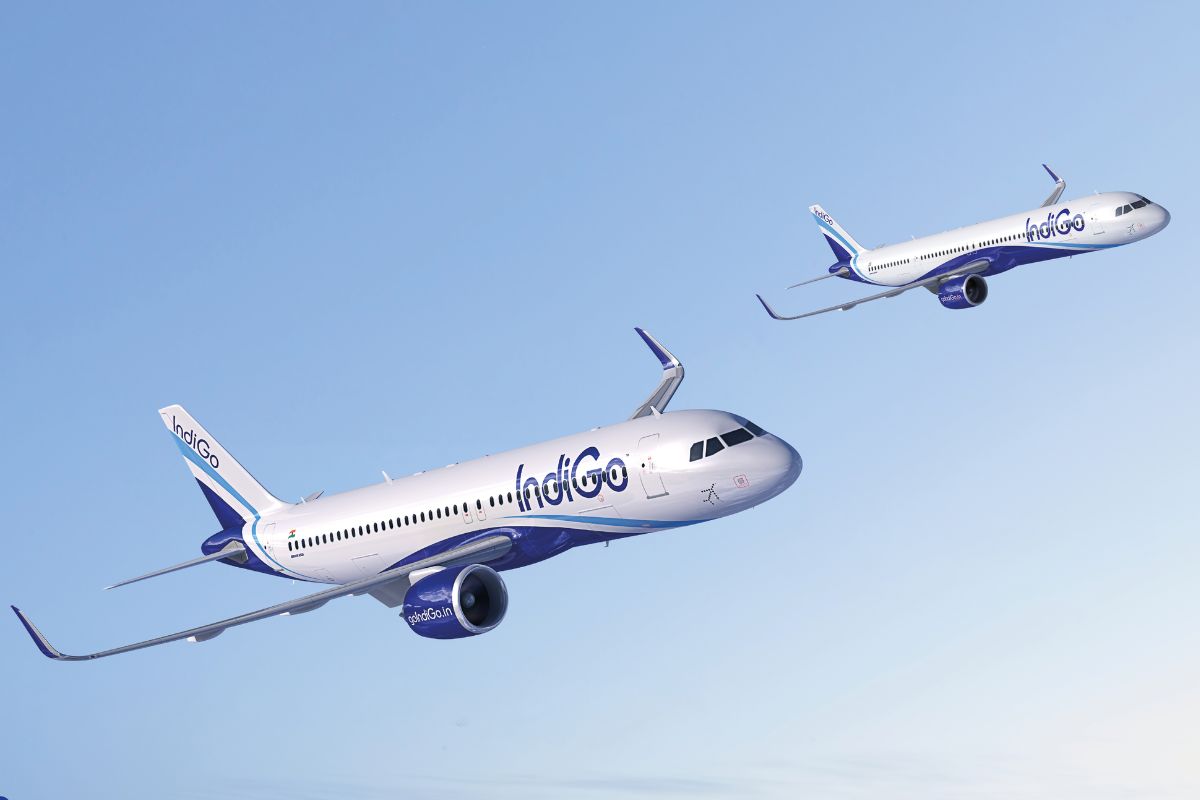
IndiGo, India’s largest airline, has extended the cancellation of flights to and from Tbilisi, Almaty, Baku and Tashkent until March 28, 2026. Earlier, these flights were suspended only until February 28.
Now the pause continues for another month. The reason is simple. Airspace around Iran remains uncertain, and airlines are not taking chances.
Why Are Flights Being Suspended?
IndiGo and Air India have both stopped flying through Iranian airspace.
Tensions between Iran and the United States have increased in recent weeks. Airlines are avoiding the region and using longer alternative routes instead.
Here’s what that means in practical terms:
- Longer flying times
- Higher fuel costs
- More pressure on aircraft schedules
- Limited availability of wide-body planes
For IndiGo, this has directly affected flights to:
- Tbilisi, Georgia
- Almaty, Kazakhstan
- Tashkent, Uzbekistan
- Baku, Azerbaijan
The airline says passenger and crew safety comes first, and it is monitoring the situation closely.
Travel Advisory
Considering the ongoing developments in the region around Iran and its associated airspace, flights to/from Tbilisi, Almaty, Baku and Tashkent remain impacted.
The previously announced cancellations have been extended until 28th March 2026. The safety and…
— IndiGo (@IndiGo6E) February 16, 2026
Long-Haul Flights Also Affected
The airspace restrictions are not just impacting Central Asia routes. Earlier this month, IndiGo announced changes to its long-haul schedule operated with leased Boeing 787-9 Dreamliners.
Here’s what changed:
- Copenhagen flights suspended from February 17
- Fewer flights on Delhi–London Heathrow
- Reduced frequency on Delhi–Manchester
According to the airline, constantly changing airspace rules and airport congestion have increased overall flying time. That has made it harder to manage its small fleet of six wide-body aircraft.
When flight times stretch, aircraft rotations become tighter. That creates scheduling strain, especially on long routes.
What Travellers Should Do Now
If you’re booked on one of the affected routes:
- Check your flight status regularly
- Look at refund or rescheduling options
- Consider alternate hubs if travel is urgent
- Avoid last-minute visa applications until plans are confirmed
For travellers and frequent flyers, this is a reminder of how quickly geopolitical tensions can affect aviation.
While IndiGo scales back some services, Air India is moving in the opposite direction on key long-haul routes. As part of its Northern Summer 2026 schedule, the airline is increasing frequencies and upgrading aircraft on several international routes.
More Flights from Delhi to Toronto, Seoul and Shanghai
Here’s what’s changing:
- Delhi–Toronto: Increasing from 7 to 10 flights per week starting March 1
- Delhi–Seoul (Incheon): Increasing from 5 to 6 flights per week from March 29
- Delhi–Shanghai: Increasing from 4 to 5 weekly flights
This adds over 2,000 additional seats per month on each of these routes.
For travellers, this means:
- Better availability
- More flexible travel dates
- Potentially competitive fares
Premium Economy Added on Delhi–Tokyo Route
Since February 14, the Delhi–Tokyo (Haneda) route has featured a three-class configuration on Boeing 787-9 aircraft. That includes:
- Business Class
- Premium Economy
- Economy
The upgrade adds more than 2,400 extra seats every month between Delhi and Tokyo.
Premium economy is becoming an important middle option for long-haul travellers who want more comfort without paying business class prices.
The Bigger Picture for Travellers
Here’s what this really means. Airspace instability around Iran is reshaping flight paths across Asia and Europe. Some routes are shrinking. Others are expanding.
Airlines are adjusting quickly. As a traveller, flexibility matters more than ever.
Before booking long-haul trips in 2026:
- Double-check routing
- Monitor geopolitical developments
- Leave buffer time between connections
- Keep travel insurance active
Flight schedules can change fast. Staying informed is now part of smart travel planning.
Follow and connect with us on Facebook, Twitter, LinkedIn, Instagram and Google News for the latest travel news and updates!