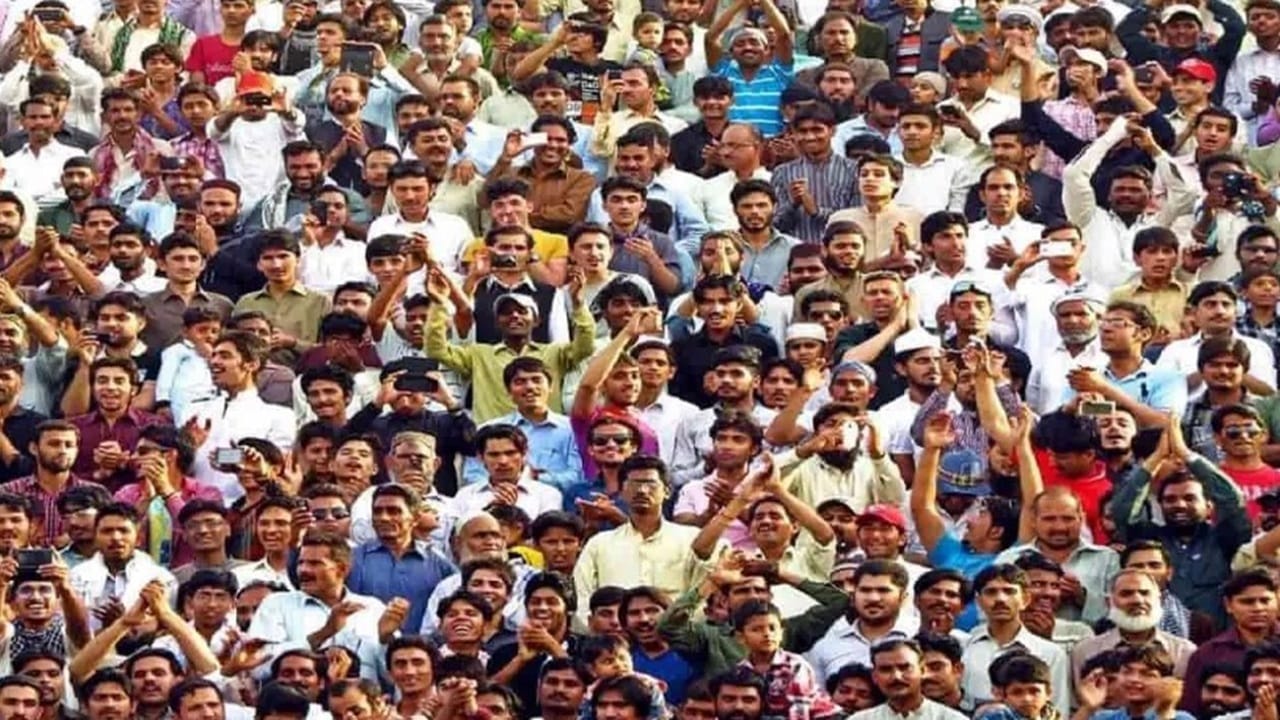
New Delhi: The first phase of the Census 2027 is beginning, making the exercise as the world’s largest and first to be fully digital in the country. This the 16th overall and eighth after India’s independence in 1947. The last time the census was held was in 2011.
This time the census will be held in two phases, with the total expenditure for the entire expenditure is expected to be around Rs 11,718.24 crore. While the first phase will be between April to September this year. The second phase will be held in February next year.
Notably, the authorities will collect information related to the condition of houses, amenities in the household and assets of every household will be collected. A set of 33 questions has also been notified by the government to be asked in this phase. In the next phase authorities will collect information related to socio-economic, demographic, migration, and education, among others.
Also, it would be for the first time that caste data will be collected digitally will be collected for first time since independence. While the reference date is set as March 1, 2027 midnight, Hilly regions like Ladakh gave reference date of October 2026.
What makes the digital census unique this year
Mobile applications: Around 30 lakh officials will use a 16-language mobile application, which will be compatible with Android and iOS phones across India.
Geo-tagging: It will be for the first time that the buildings will be geo-tagged with the help of Digital Layout Mapping (DLM). The aim of this step is to boost accuracy and proper planning.
Self-enumeration: The government website will permit citizens to use mobile numbers for completion of their details online. This facility will be accessible 15 days before officials start the door-to-door survey.
Live-in couples: In case a live-in couple confirms their relationship as a stable, they are likely to considered as a married couple for the Census.
The latest population count is being held under Registrar General and Census Commissioner of India (RGI) under the Ministry of Home Affairs. The Individual information is protected under the Census Act, 1948.