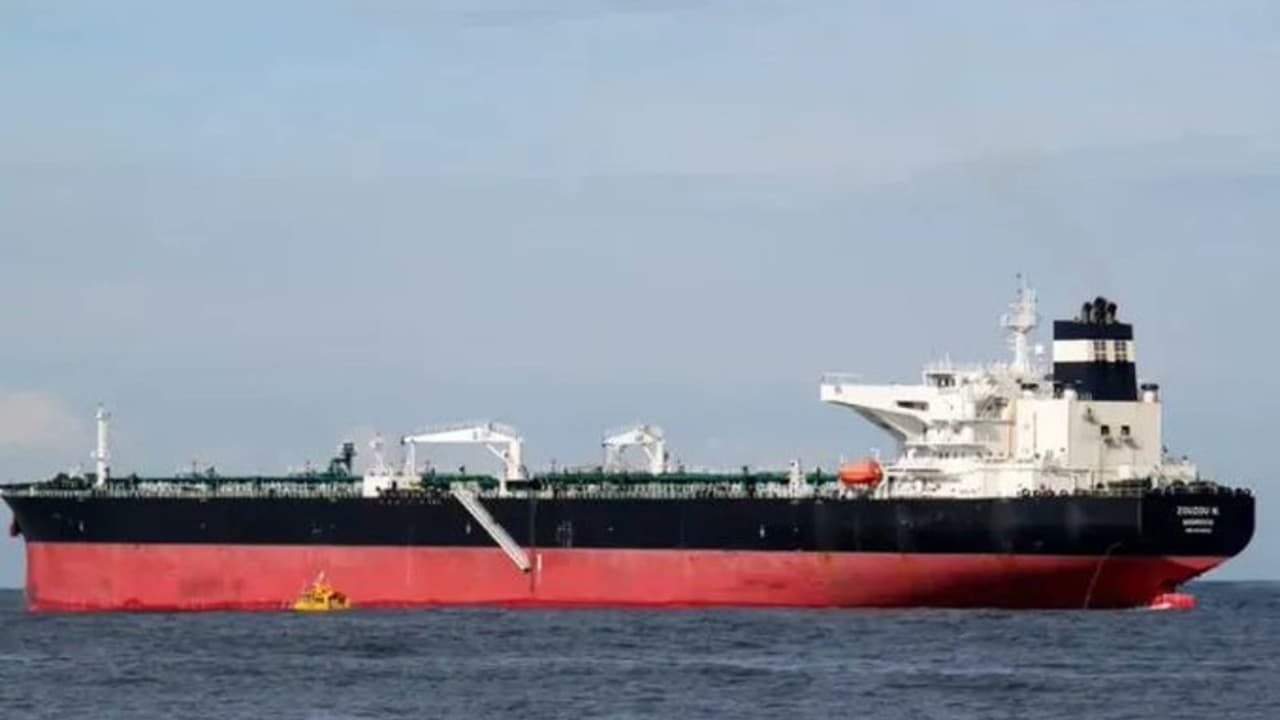
The Hormuz crisis is causing a severe LPG shortage in India by disrupting imports. In response, India is securing alternative supplies from new sources like Argentina and the US. For long-term security, the government is accelerating a shift to piped natural gas (PNG), mandating that households with access switch from LPG cylinders.
Hormuz Crisis Triggers LPG Supply Shock
India is facing a sharp liquefied petroleum gas (LPG) shortage as the ongoing West Asia conflict disrupts key global energy routes. The Strait of Hormuz, a critical maritime chokepoint through which nearly 60% of India’s LPG imports pass, has seen severe disruptions, impacting shipments and delaying supplies.
The crisis has led to stranded vessels, delayed deliveries, and a sharp decline in imports. Reports suggest LPG imports could fall significantly, intensifying pressure on domestic supply chains.
Despite the disruption, the government has urged citizens not to panic, maintaining that fuel supplies are being managed while alternative arrangements are being explored.
Argentina Emerges as Unexpected Energy Lifeline
In response to the crisis, India has turned to an unlikely partner—Argentina—to secure LPG supplies. The South American nation has rapidly increased exports, shipping around 50,000 tonnes of LPG to India in early 2026, more than double its total exports in 2025.
Argentina’s role has become crucial as India scrambles to diversify its energy sources and reduce dependence on West Asia. Alongside Argentina, the United States has also emerged as a fallback supplier, helping cushion the immediate impact of the disruption.
This shift highlights India’s urgent strategy to secure supplies from geographically diverse partners, even those located thousands of kilometres away.
Also Read: Why India Is Pushing LPG Users to Switch to PNG Amid Global Fuel Crisis | Explained
Push for PNG Gains Momentum Amid Crisis
The LPG crunch has accelerated India’s push toward piped natural gas (PNG) as a long-term solution. The government has mandated that households with access to PNG infrastructure switch from LPG within a specified period or risk losing cylinder supply.
This move aims to reduce reliance on imported LPG and strengthen domestic energy resilience. PNG, delivered via pipelines, offers a more stable and continuous supply compared to cylinder-based LPG, which is vulnerable to global disruptions.
Officials have also emphasised infrastructure expansion, faster approvals, and policy reforms to support the transition. The broader goal is to create a more balanced and secure fuel ecosystem while ensuring LPG is prioritised for areas without pipeline access.
A Strategic Shift in India’s Energy Playbook
The current crisis underscores India’s heavy dependence on imports and the risks posed by geopolitical tensions. With supply chains under stress, the government is adopting a dual approach—securing alternative LPG sources in the short term while accelerating the shift to PNG for long-term stability.
As global uncertainties continue, India’s energy strategy is clearly evolving—moving from dependence on volatile routes like Hormuz to a more diversified, resilient, and infrastructure-driven model.
Also Read: Karnataka LPG Crisis: Chief Secretary Orders Crackdown on Black Market Cylinder Sales