New Delhi: India is a land of endless celebrations, where every region has its own way of welcoming new beginnings. What makes these festivals even more fascinating is that there isn’t just one New Year’s Day. As the year 2026 unfolds, many communities across the country are preparing to celebrate their traditional new years according to solar and lunar calendars. Whether it’s the vibrant processions of Punjab, the decorative rangolis of Maharashtra, or the oil lamps in Kerala, each celebration carries a unique flavour of happiness, hope, and renewal.
The Indian New Year festivals are not only about changing dates but also about reviving culture, family ties, and gratitude. Each state marks this occasion by preparing special foods, decorating homes, wearing new clothes, and praying for prosperity. From March to April 2026, the entire nation comes alive with colours, music, and rituals that tell stories of local beliefs and ancient traditions still alive today.
Different Indian states and their New Year celebrations
1. Ugadi – Andhra Pradesh, Telangana, and Karnataka
Ugadi marks the beginning of a new year as per the lunar calendar in South India. People clean their homes, decorate doors with mango leaves, and prepare a special dish called Ugadi Pachadi, made from six different flavours, representing the various emotions of life. It is believed that this day brings good fortune and symbolises the arrival of spring throughout these southern states.
2. Gudi Padwa – Maharashtra
Gudi Padwa is the Maharashtrian New Year, celebrated with immense joy and enthusiasm. Families raise a vibrant Gudi (decorated flag) outside their homes as a symbol of victory and prosperity. Delicious dishes like Puran Poli are cooked, homes are cleaned and adorned with colourful rangoli, and people dress in traditional attire to begin the year on a positive and festive note.
3. Baisakhi – Punjab
For Punjabis, Baisakhi is both the New Year and a harvest festival. It marks the start of the wheat harvesting season and commemorates the formation of the Khalsa in Sikhism. Farmers thank nature for a good harvest, and communities come together for energetic bhangra and gidda performances. Gurudwaras serve langar, and there’s a strong sense of unity and gratitude during the celebrations.
4. Vishu – Kerala
Vishu marks the Malayalam New Year in Kerala and symbolises prosperity and renewal. The day begins early with viewing the Vishukkani — a special arrangement of fruits, vegetables, rice, gold, and flowers placed before Lord Krishna. People burst fireworks, exchange gifts, and enjoy a grand vegetarian feast known as Sadya. It’s considered an auspicious day to start new ventures.
5. Puthandu – Tamil Nadu
Puthandu is the Tamil New Year, celebrated with prayers, feasts, and rituals. Homes are decorated with mango leaves and kolams, and people visit temples to seek divine blessings. Families prepare dishes like Mango Pachadi to remind them that life is a mix of sweet and bitter experiences. It’s a day that balances joy, hope, and reflection for Tamil communities around the world.
6. Poila Boishakh – West Bengal
In West Bengal, Poila Boishakh marks the Bengali New Year and is celebrated with lots of enthusiasm. People clean their homes, visit temples, wear traditional clothes, and exchange greetings saying “Shubho Noboborsho.” Local markets hold special fairs, and cultural programmes bring communities together. It’s also an important time for local shop owners to start fresh account books, symbolising prosperity and abundance.
7. Bohag Bihu – Assam
Known as Rongali Bihu, this festival welcomes the Assamese New Year and coincides with the spring season. People decorate their homes with flowers, wear new clothes, and take part in folk dances and songs. Cattle are washed and worshipped to thank them for their hard work in farming. Bihu is a wonderful expression of Assam’s close bond with nature and agricultural life.
8. Cheti Chand – Sindhi Community
Cheti Chand marks the Sindhi New Year and the birthday of their revered saint, Jhulelal. Devotees take out processions with music and prayers, decorating temples and homes. Traditional sweets and festive dishes are prepared, and people pray for peace, happiness, and prosperity. It celebrates both a new beginning and faith in community spirit.
9. Pana Sankranti – Odisha
In Odisha, Pana Sankranti marks the beginning of the Odia New Year and the start of the Hindu solar calendar. The highlight of this festival is a refreshing traditional drink called Pana, made with fruits, water, and jaggery, symbolising the coolness and sweetness of life. People visit temples, take holy baths in rivers, and pray for health and prosperity. It’s also a time to worship Lord Hanuman and celebrate the arrival of summer with kindness and calmness.
10. Navreh – Jammu & Kashmir
The Kashmiri New Year, known as Navreh, is celebrated with devotion and reflection. On the eve of Navreh, families prepare a special thali with rice, curd, walnuts, coins, and a religious calendar, representing abundance and knowledge. Early in the morning, everyone views this thali as their first sight of the year, seeking blessings for happiness and wisdom. It’s a quiet yet meaningful celebration that highlights tradition and gratitude within Kashmiri Pandit households.
11. Bestu Varas – Gujarat
In Gujarat, the New Year is known as Bestu Varas and comes right after Diwali, marking the start of a fresh financial year for many traders. People decorate their homes, wear new clothes, and visit temples to offer prayers to Goddess Lakshmi for wealth and wellbeing. Families greet each other saying “Saal Mubarak,” and markets shine brightly with sweets, flowers, and festive lights. It brings a cheerful beginning filled with hope and good fortune.
12. Cheiraoba – Manipur
The Manipuri New Year, called Cheiraoba, is a joyful occasion that combines family bonding with spiritual rituals. Households are thoroughly cleaned and decorated, and delicious dishes are prepared as offerings to local deities. After prayers, families climb nearby hills together, symbolising their wish to rise to greater heights in the coming year. It’s both a cultural and spiritual celebration that beautifully ties nature, family, and belief.
13. Chapchar Kut – Mizoram
In Mizoram, Chapchar Kut is celebrated as the spring festival and the Mizo New Year. It arrives after farmers complete their main agricultural work, making it a time of rest and festivity. People wear traditional colourful costumes, dance to folk music, and enjoy local dishes together. It’s an expression of joy, unity, and gratitude toward nature for providing abundance. Chapchar Kut fills Mizoram with vibrant energy and community spirit.
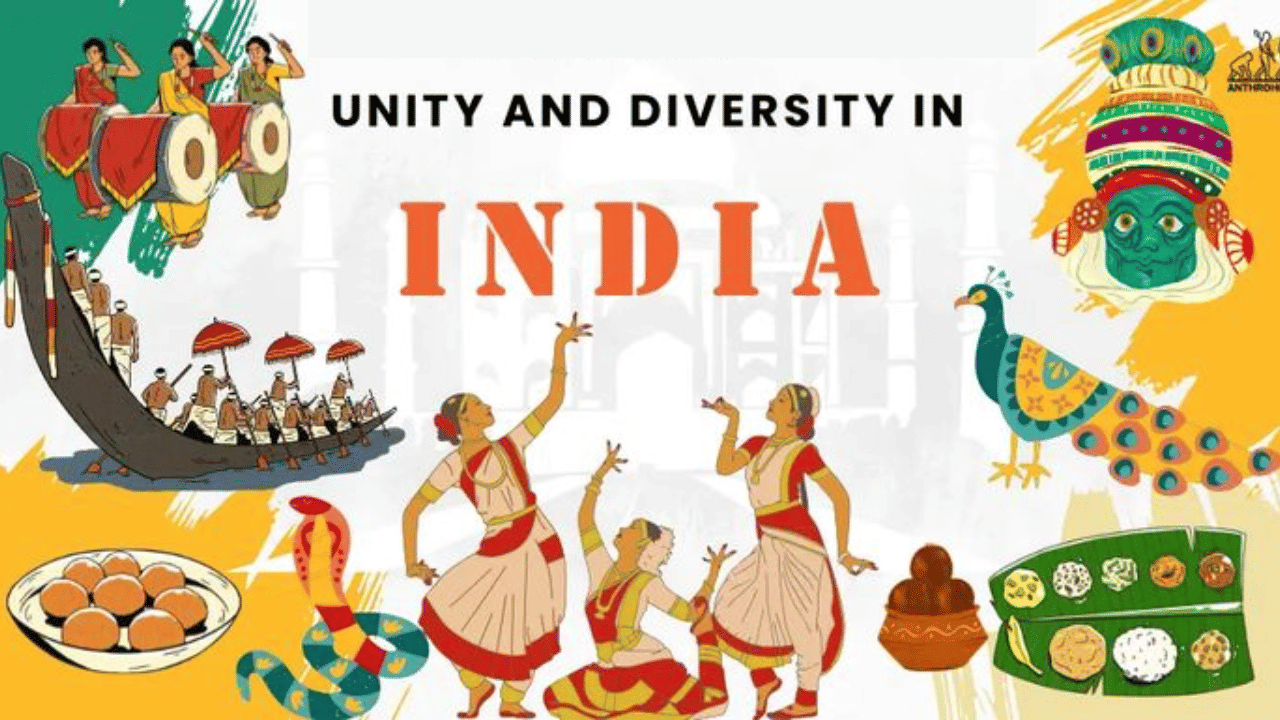
From north to south and east to west, every Indian state greets the New Year in its own beautiful way. These diverse celebrations reflect India’s unity in diversity, reminding us that new beginnings can be celebrated differently yet hold the same message of joy, gratitude, and hope