Despite two policy statements from the US pressing for expanded ‘defence and military’ ties with India, ‘military technology’ collaboration hinges upon two options – either the two countries stick to their existing buyer-seller relationship or the US addresses New Delhi’s aspirations of being a ‘partner’ in technology.
India would prefer the second option, but the present strain in ties following Donald Trump-imposed tariffs in August needs a signal from Washington DC indicating a clear direction.
Last week, the US Administration, while okaying the National Defence Authorisation Act (NDAA), made a policy statement on ‘expanding engagement’ with India in 2026, including through the Quad. In the past three weeks, this was the second policy statement from Washington DC on defence ties with India. Earlier this month, the US ‘national security strategy’ mentioned the strategic role of India in the US calculus for maintaining equilibrium vis-a-vis China in the disputed waters of the South China Sea.
Despite the ‘positive’ statements, the ground reality is not so rosy. In the past two decades since India and the US opened up to each other post-Cold War, New Delhi has been buying cutting-edge military equipment – largely planes and helicopters – from the US. However, co-developing and co-manufacturing with the US remains a distant promise.
Crucial transfer of technology
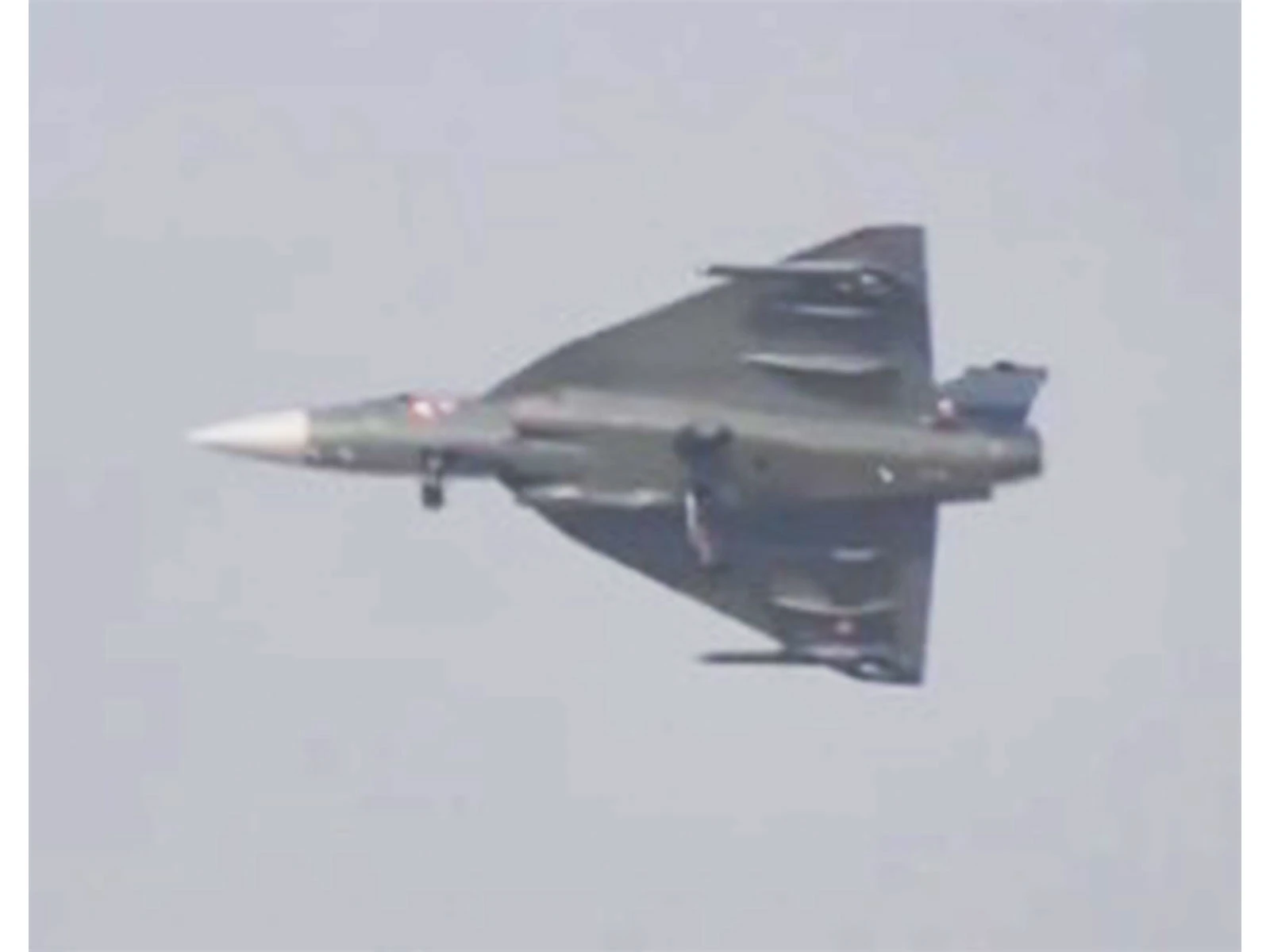
India-US technology cooperation is at a crucial stage. In June 2023, the US agreed on transfer of technology (ToT) and a joint venture to produce the General Electric F414 aero engine in collaboration with Hindustan Aeronautics Limited (HAL) in India. The upcoming Tejas Mark-2 fighter jet was planned and designed around the specifications of the GE F414 engine, the first flight of the jet is slated for early part of 2026. In New Delhi, an uncertainty exists as the transfer of technology from GE to HAL needs a nod from the US Administration.
A ToT on engine would define the trajectory of India-US military technology partnership. Over the next 4-5 decades some 800-plus engines are expected to be produced.
Delay in supplies
India is not happy with the prevailing delay in supplies of contracted equipment. When supply chains were disrupted during the Covid (March 2020 to early 2022), deliveries to India have been impacted. In July, Defence Minister Rajnath Singh asked his US counterpart Pete Hegseth to fast-track the delivery of GE F404 engines needed for the underproduction Tejas Mark1-A fighter jet.
Delay in supplies of F404 engines has set back delivery schedule of the jet. Public sector giant HAL is producing 83 planes for the Indian Air Force. Deliveries of the plane were to start in March 2024, and the engines should have come before that date. However, as of today, the GE has been able to deliver only five engines.
The delivery of MH-60R Seahawk helicopters to the Indian Navy faced delays due to global supply chain disruptions and manufacturing bottlenecks on the US side. The $2.2 billion contract was inked in February 2020 for supply of 24 such copters. Delivery was to be done by 2024. The Navy still awaits delivery of six copters.
In November 2025, India-US signed a follow-on sustainment deal worth approximately Rs 7,995 crore to ensure the fleet’s long-term operational readiness and spare parts availability.
Delays also plague the Indian Army’s order for six Apache helicopters, contracted in 2020 for approximately $600 million. The first batch of three helicopters arrived in July 2025 after a 15-month delay and the remaining three helicopters were delivered this month.