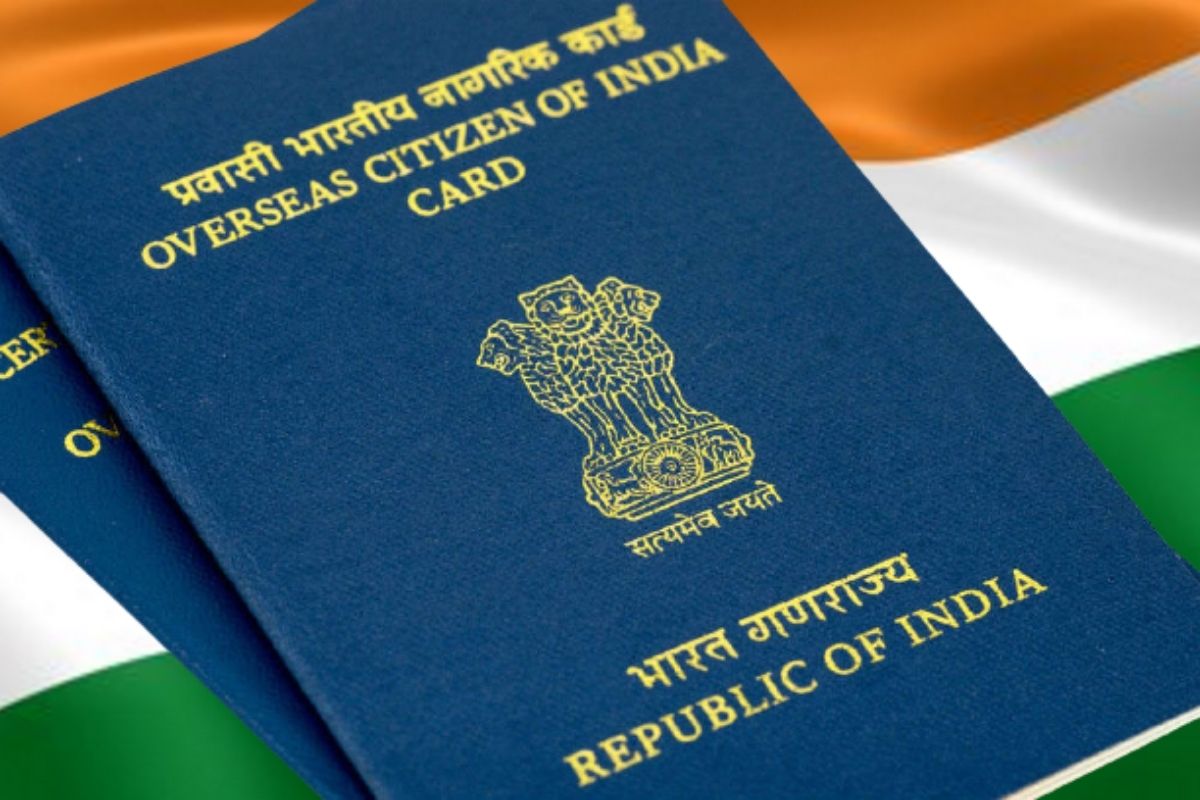
Travellers of Indian origin planning a trip to India should take note of an important change. Person of Indian Origin (PIO) cards are no longer accepted for travel to India, even if the traveller carries a valid foreign passport.
The rule has taken effect immediately. This means airlines may refuse boarding to passengers attempting to travel using a PIO card.
Anyone still holding a PIO card must now convert it to an Overseas Citizen of India (OCI) card or apply for a visa before travelling to India.
What Changed for PIO Cardholders?
For years, PIO cards allowed people of Indian origin living abroad to travel to India without needing a visa. The Indian government had also repeatedly extended deadlines to help cardholders switch to the newer OCI system.
The final deadline to convert handwritten PIO cards to OCI cards was December 31, 2025. Until that date, travellers could still enter India using a valid PIO card together with their foreign passport.
That transition period has now ended.
From now on:
- PIO cards are not valid travel documents
- Airlines can deny boarding if a traveller presents a PIO card
- Travellers must carry either an OCI card or a valid Indian visa
For a lot of frequent visitors, this change may come as a surprise, especially if they have relied on their PIO card for years.
Why the Change Happened
The shift is part of a long process that began in 2015, when India decided to merge the PIO and OCI schemes into a single OCI program.
The goal was to simplify travel and residency privileges for people of Indian origin living abroad.
To avoid disruption, authorities extended the conversion deadline multiple times. The final extension allowed handwritten PIO cards to remain valid until December 31, 2025.
With that deadline now passed, the transition to OCI is officially complete.
What Travellers Should Do Now
If you still hold a PIO card, you have two options before travelling to India:
1. Apply for an OCI Card
This is the recommended option for most PIO cardholders. OCI status offers long-term benefits such as:
- Lifelong visa-free travel to India
- No need for repeated visa applications
- Permission for long stays in India
2. Apply for an Indian Visa
Travellers who have not yet converted their PIO card can apply for a regular visa through an Indian consulate or online visa system. However, this option requires applying each time you plan to travel.
Important Tip for Travellers
If you still carry a PIO card, do not attempt to travel with it, even if it is accompanied by your foreign passport.
Airlines follow immigration guidelines strictly. If the travel document is not valid, passengers can be denied boarding at the airport.
Before booking flights to India, check that you have either:
- A valid OCI card, or
- A valid Indian visa
What Is a Person of Indian Origin (PIO) Card?
The PIO card was a travel and residency document issued to foreign nationals who had Indian ancestry. It allowed eligible people of Indian origin to visit India without a visa and stay for longer periods compared with regular tourists.
Introduced in 1999, the card was widely used by members of the Indian diaspora living in countries such as the United States, Canada, the United Kingdom, and Australia.
In 2015, the Indian government merged the PIO scheme with the OCI programme, offering broader benefits under a single system. Since then, PIO cardholders have been encouraged to convert their cards into OCI cards.
With the final transition deadline now passed, OCI has effectively replaced the PIO system for travel to India.
Follow and connect with us on Facebook, Twitter, LinkedIn, Instagram and Google News for the latest travel news and updates!