India did not get the victory they badly needed after the Ireland humiliation, but the first T20I against England still offered a much-needed change in mood.
The match at Chester-le-Street was abandoned due to rain before England could begin their chase of 190, leaving the five-match series at 0-0. Yet for India, the batting effort carried enough signs of recovery to matter.
After winning the toss and choosing to bat first, India were immediately pushed into familiar danger. Sanju Samson and Ishan Kishan fell inside the first two overs, leaving the visitors struggling at 6/2. After the recent Ireland setback, that start could easily have reopened the same concerns around panic, soft dismissals and lack of batting direction. Instead, India produced their strongest response in weeks.
India’s recovery was the biggest positive
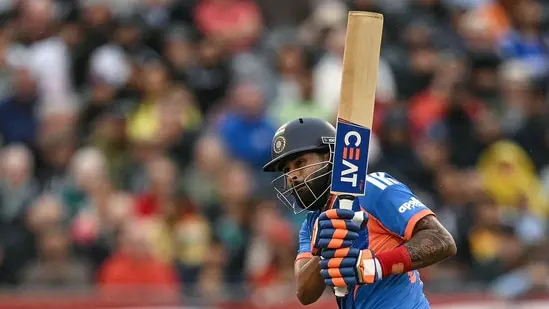
The most important change was the way India absorbed early pressure. Abhishek Sharma did not let the innings drift into survival mode. His 59 off 24 balls was not just a counterattack; it changed the shape of the innings. He gave India momentum when England had control and ensured the powerplay damage did not become match-defining.
Shreyas Iyer’s 68 was equally significant. Under pressure as captain and batter, Iyer held the innings together after the early wickets and gave India the stability that had been missing during the Ireland defeat. This was not a flawless Indian innings, but it had structure. One batter attacked, another batted deep, and the innings found a rhythm after a disastrous start.
The third positive came from Shivam Dube’s finishing role. His unbeaten 42 gave India the late acceleration required to reach 189/7. In Ireland, India had looked uncertain about roles and tempo. Here, Dube’s contribution gave the innings a proper closing punch and showed why his power remains valuable in this format.
England did have their moments, especially through Saqib Mahmood, who finished with 3/33. But India’s ability to recover from 6/2 and still set a target of 190 was the clearest difference from their previous series.
The rain denied India a chance to test their bowlers and defend the total, so this cannot be sold as a complete turnaround. But after the embarrassment in Ireland, India at least showed better intent, clearer batting roles and stronger temperament under pressure. For a side searching for confidence, that was a meaningful first step.