Based on government sources, NDTV reported that New Delhi calls the tribunal “illegally formed” and has no duty to follow its orders.
The new issue is last week’s court order asking India to share “pondage logbooks” from its hydropower plants. This is part of the court’s “Second Phase on the Merits.”
The Hague arbitration court set hearings for February 2-3 at the Peace Palace. It noted India filed no counter-memorial and showed no plan to join. Officials call it pointless since the Indus Waters Treaty is on hold.
The NDTV report further added, quoting sources, that the “so-called illegally formed” court keeps running separate hearings alongside the neutral expert. Officials added: “We don’t accept the Court of Arbitration’s authority, so we ignore all its messages.”
With the Indus Waters Treaty on hold, India doesn’t have to reply and thinks Pakistan wants to pull it into the process to pretend talks are ongoing.
The deadlock started on April 23, 2025, when India suspended the treaty one day after 26 civilians were killed in a Pahalgam attack blamed on Pakistan-based terrorists.
India’s suspension of the Indus Waters Treaty marked a major change, linking water sharing to Pakistan’s alleged state-sponsored terrorism. This came with Operation Sindoor, showing that cooperation can’t continue during hostility.
Pakistan, which relies heavily on the Indus for farming, has since pushed global diplomacy and legal efforts.
Islamabad has summoned envoys, written to the United Nations, initiated multiple legal actions, and held international conferences to spotlight the issue. With limited water storage capacity and key reservoirs such as Tarbela and Mangla reportedly near dead storage levels, the treaty has shifted from a technical water-sharing pact to a strategic pressure point.
Despite Indias position, the Hague-based court is proceeding as if the treaty framework remains fully operational. An order dated January 24, 2026, it outlined a detailed hearing schedule, allowing Pakistan to present arguments even if India stays away.
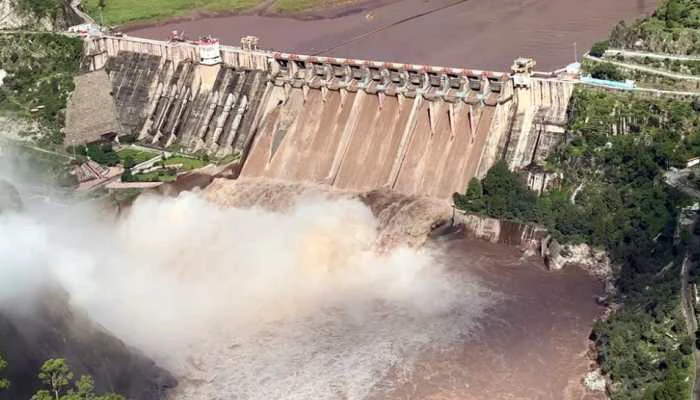
Days later, at Pakistan’s request, the court ordered India to submit internal logbooks from the Baglihar and Kishanganga projects to check if pondage figures were inflated. The court warned it could draw negative conclusions if India doesn’t comply, claiming the treaty abeyance doesn’t affect its authority, a stance New Delhi rejects.
Under the Indus Waters Treaty’s dispute mechanism, technical issues go to a neutral expert, while legal disputes head to a Court of Arbitration.
India insists the current matters are technical and accuses Pakistan of “forum shopping” by pushing arbitration. By engaging only the neutral expert, New Delhi signals it won’t let the dispute grow into broader legal or political fights.
The Hague proceedings exceed hydropower math. They test India’s post-Pahalgam diplomatic use of the treaty after decades of restraint. Without India’s involvement and with the treaty on hold, hearings risk becoming a one-sided legal record, not a binding ruling, something South Block seems ready to accept.