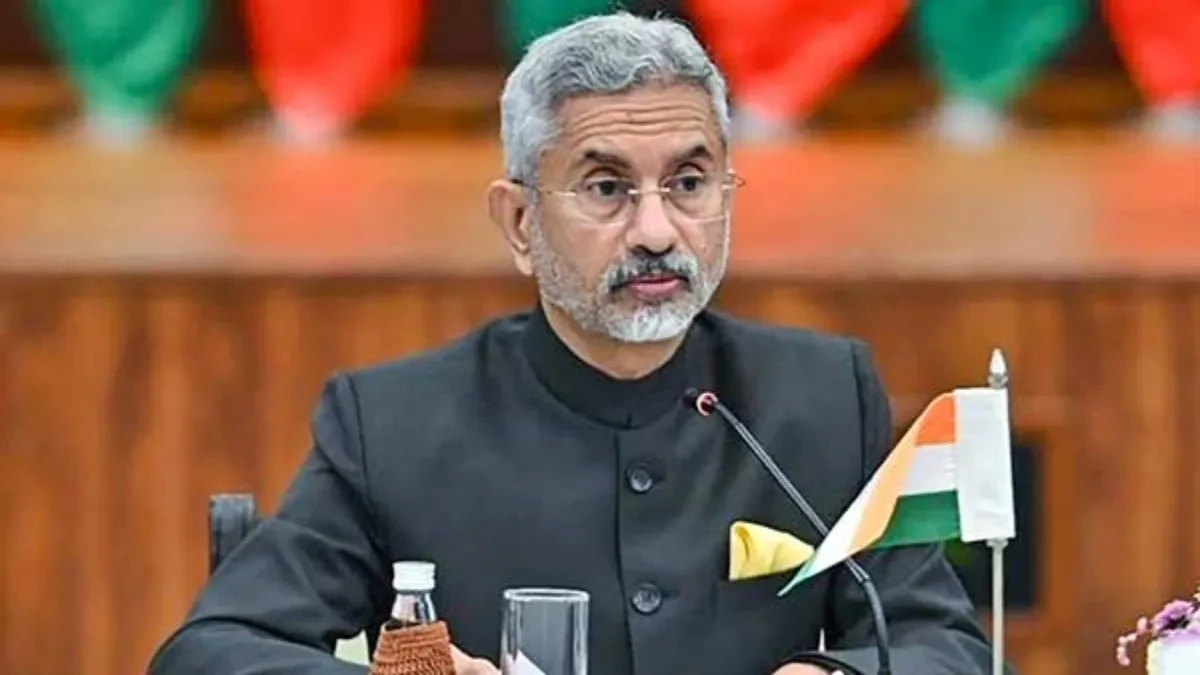
The concerns were raised during External Affairs Minister S Jaishankar’s talks with Polish Deputy Prime Minister and Foreign Minister Radoslaw Sikorski in New Delhi, where the two sides reviewed the progress of their strategic partnership and discussed major global and regional developments.
Strategic partnership reviewed amid global churn
Welcoming the Polish delegation, Jaishankar said the meeting was taking place at a time of “considerable churn” in international affairs, underlining the need for countries across regions to exchange views more frequently. He recalled that India and Poland elevated their relationship to a strategic partnership during Prime Minister Narendra Modi’s visit to Warsaw in August 2024.
The discussions included a review of the Action Plan 2024-28, with both sides exploring ways to expand cooperation in trade, investment, defence, security, clean technologies and digital innovation. The focus, officials said, was on ensuring that the partnership continues to grow in step with shifting global realities.
India flags unfair targeting over Ukraine conflict
Geopolitics, particularly the Ukraine war, featured prominently in the talks. Jaishankar said he had “candidly” conveyed India’s position to Sikorski on several occasions in the past, including meetings in New York and Paris, and reiterated the same in New Delhi.
“While doing so, I have also repeatedly underlined that the selective targeting of India is both unfair and unjustified. I do so again today,” he said.
India has consistently opposed what it views as pressure tactics, including tariffs and other measures, aimed at influencing its independent foreign policy choices. New Delhi has maintained that dialogue and diplomacy are the only viable routes to ending the conflict in Ukraine and has resisted being pushed into bloc-based positions through selective targeting.
Zero tolerance for terrorism and message on Pakistan
Jaishankar also raised India’s long-standing concerns over cross-border terrorism. Referring to Sikorski’s familiarity with the region, he said the Polish minister would be well aware of the challenges India faces from terrorism originating across its borders.
He stressed that partners must adopt a principled stand, saying Poland should show “zero tolerance for terrorism” and should not “help fuel the terrorist infrastructure in our neighbourhood”. The remark was widely seen as a pointed reference to Pakistan, particularly in the context of Poland’s statement on Kashmir during a bilateral visit to Islamabad in October 2025.
India has stepped up diplomatic engagement with European countries in recent years to highlight Pakistan’s record on terrorism financing and safe havens for extremist groups. The message from New Delhi was that while India values its partnership with Poland and the European Union, it expects consistency on issues of terrorism.
Poland echoes concerns, trade ties highlighted
Responding to India’s remarks, Sikorski said Poland shared concerns over the “unfairness of selective targeting by tariffs”, warning that such practices could trigger broader global trade instability. He also pointed to incidents in Poland, including arson attacks and attempted state terrorism targeting railway infrastructure, to underline the need for stronger action against trans-border terrorism.
The talks took place against the backdrop of steadily expanding bilateral ties. Poland is among India’s key trading partners in Central Europe, with two-way trade at around USD 7 billion and Indian investments crossing USD 3 billion. Both sides expressed confidence that the strategic partnership would continue to deepen, even as India clearly laid down its red lines on geopolitical pressure and terrorism.