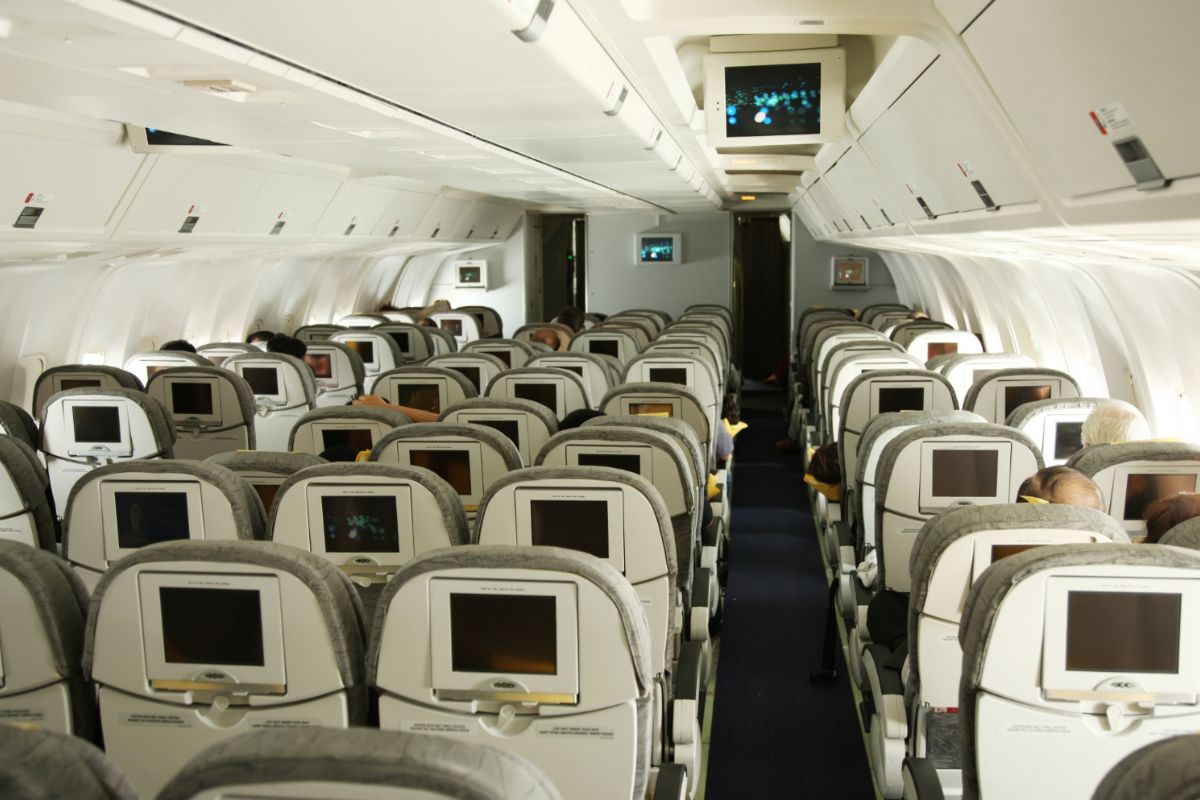
India’s aviation ministry has temporarily paused its recent proposal requiring airlines to offer at least 60% of seats for free selection on every flight.
The decision comes less than three weeks after the rule was first introduced to make travel more passenger-friendly. Indian Airlines, however, warned that the move could disrupt pricing systems and increase operational pressure at a time when the industry is already dealing with higher fuel costs.
Why the Government Put the Rule on Hold
On 17 March 2026, the Ministry of Civil Aviation (MoCA) asked airlines to improve passenger facilitation and ensure that a majority of seats were available without extra charges.
But airlines pushed back quickly.
Industry bodies, including the Federation of Indian Airlines, said the rule could interfere with India’s deregulated airfare system, in which airlines are allowed to set ticket prices and add-on services.
After reviewing these concerns, the government decided to suspend the requirement for now. A letter dated 2 April confirmed that the proposal would remain on hold while officials study its broader impact on fares and airline operations.
What Was the 60% Free Seat Selection Rule?
The now-paused, 60% free seats directive aimed to reduce the growing number of add-on fees that passengers often pay when booking flights.
Under the proposal:
- At least 60% of seats on every flight would have been free to select
- Airlines would still be allowed to charge for premium seats, such as extra legroom or front-row options
- The goal was to improve transparency and reduce unexpected costs during booking
Airlines argued that seat selection fees are an important source of revenue, especially when fuel prices are rising.
Other Passenger-Friendly Measures Still Apply
While the free seat rule is on hold, several other passenger-focused changes remain in place. Indian Airlines are still expected to:
- Provide clearer information about seat allocation charges
- Try to seat passengers booked under the same PNR together
- Improve transparency on additional fees
- Offer clearer policies for travelling with pets, sports equipment, or musical instruments
These steps are meant to make the booking experience simpler and reduce confusion around optional charges.
Why Seat Selection Fees Matter to Airlines
Airlines rely heavily on ancillary revenue, which includes fees for seat selection, baggage upgrades, meals, and priority boarding.
With aviation turbine fuel prices fluctuating and operating costs rising, these additional charges help airlines keep base ticket prices competitive.
Industry representatives said removing a large portion of seat selection fees could force airlines to adjust ticket prices or reduce flexibility in fare structures.
What This Means for Travellers
For now, travellers should expect seat selection charges to continue as usual.
While the government reviews the proposal, airlines can maintain their current pricing structure. However, the broader push for transparency and fair disclosure of fees is still moving forward.
If the proposal is revised in the future, travellers may see more free seat options or clearer pricing rules when booking flights.
Follow and connect with us on Facebook, Twitter, LinkedIn, Instagram and Google News for the latest travel news and updates!