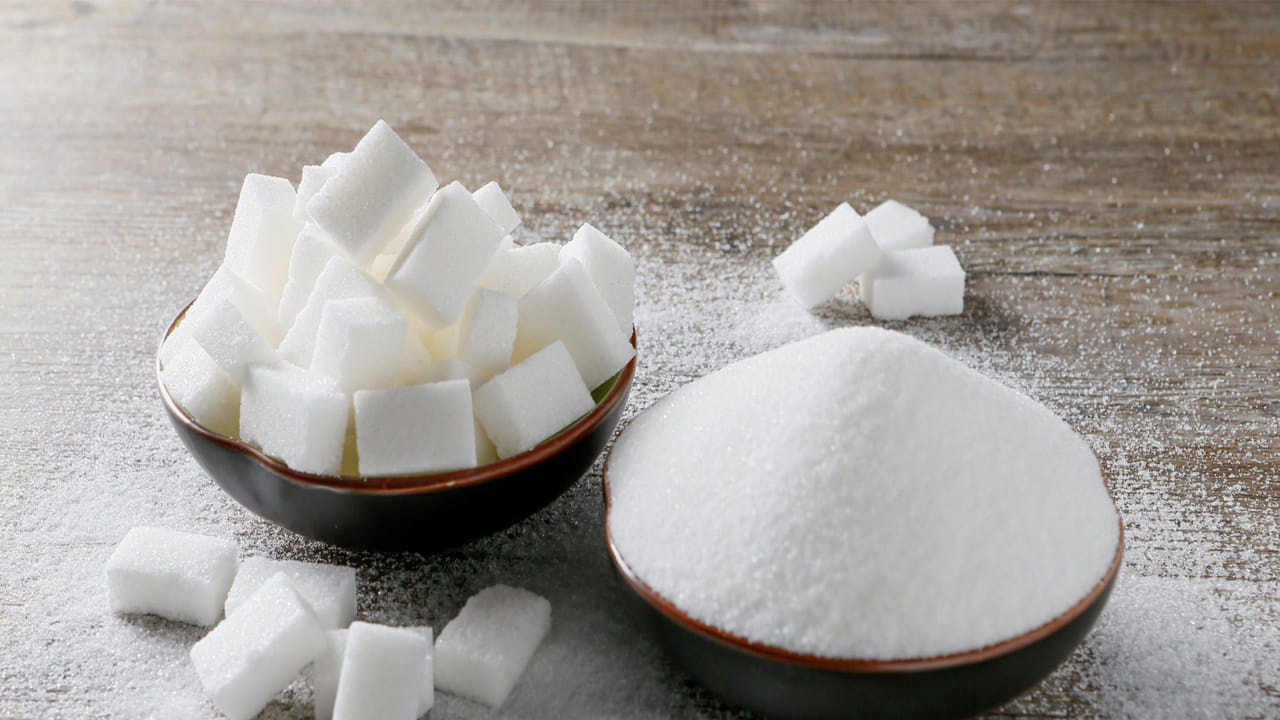
Dolat Capital projects India will need to import 2.5–3.5 million tonnes of sugar in 2026-27 due to production deficits. Weather uncertainties in key states are expected to tighten supply, likely maintaining higher domestic price levels.
India Faces Potential Sugar Supply Deficit in 2026-27
New Delhi [India], November 23 (ANI): India may need to import around 2.5–3.5 million tonnes of sugar in the 2026-27 season to replenish domestic inventories, as production is expected to decline below estimated consumption, according to a report by Dolat Capital. The report mentioned that the country’s sugar production is projected to fall to around 27 million tonnes in the 2026-27 season, compared with estimated domestic consumption of 28.5–29 million tonnes.
Lower-than-expected production in the previous season has also left opening inventories at around 3.6 million tonnes, pointing to a tighter supply situation. The report estimates that closing inventories could decline to approximately 1.6 million tonnes, potentially requiring imports to replenish stocks and maintain domestic availability. It stated, “Against estimated domestic consumption of ~28.5–29mn tonnes, closing inventory could decline to ~1.6mn tonnes, potentially necessitating imports of ~2.5–3.5mn tonnes to replenish stocks”.
Production is expected to be affected primarily by weather-related uncertainties in Maharashtra and Karnataka, while output in Uttar Pradesh is likely to remain relatively stable. The report also stated that the tighter supply outlook has already supported domestic sugar prices. Ex-mill prices are currently hovering around Rs 49–51 per kg, while wholesale prices are at Rs 54–55 per kg and institutional prices are around Rs 58 per kg. While the report indicates some near-term downward bias in sugar prices based on management commentary shared by the report, prevailing price levels are expected to remain broadly sustainable over the next couple of quarters. Government policy decisions and the extent of sugar imports will remain important factors influencing domestic price movements.
The report also noted that restrictions on the use of sugarcane juice/syrup and B-heavy molasses for ethanol production have reduced the incentive for mills to divert sugarcane towards ethanol, supporting sugar availability. At prevailing realisations, sugar production is currently more remunerative than producing ethanol from sugarcane juice, encouraging mills to prioritise sugar production. However, the ethanol business is facing margin pressure due to restrictions on feedstock use, lower procurement prices for maize-based ethanol and elevated input costs. The report also said improved sugar realisations are expected to support near-term profitability for sugar mills, partly offsetting the weakness in distillery margins. (ANI)