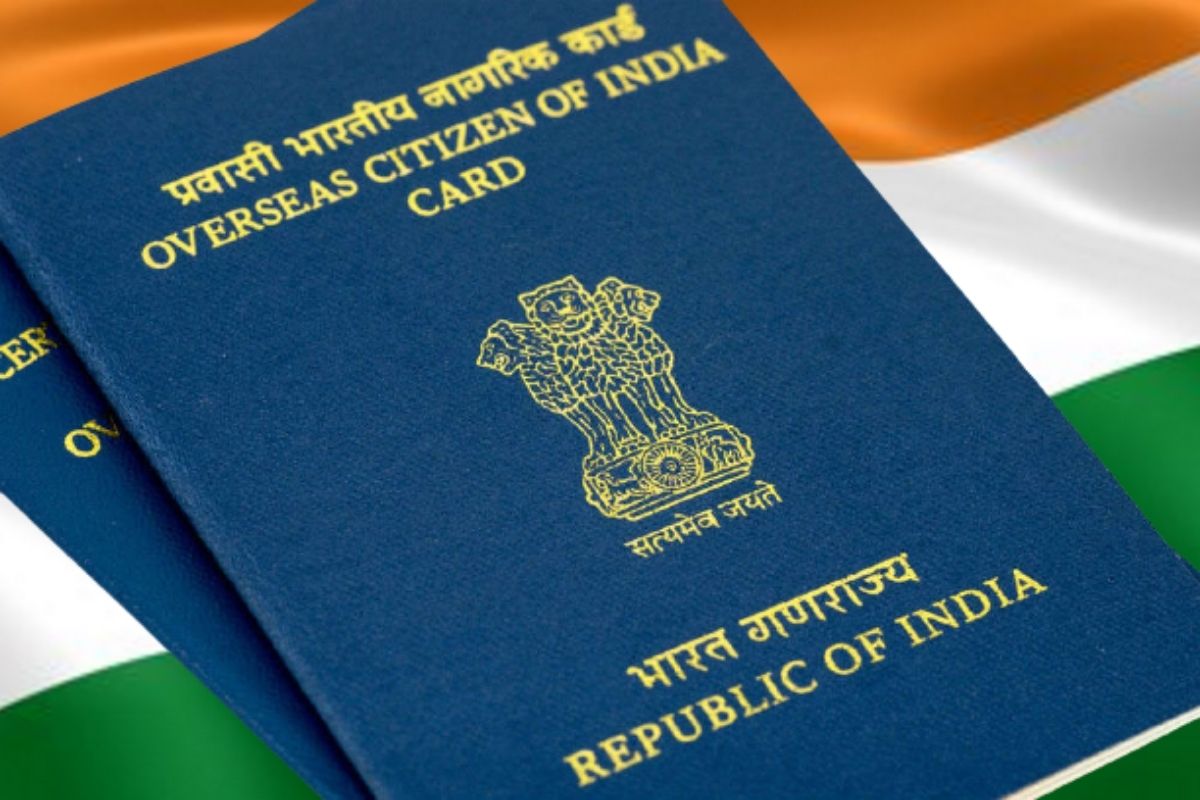
The High Commission of India in Ottawa has announced an important change for Overseas Citizen of India (OCI) applicants in Canada. Starting April 5, 2026, applicants must submit all OCI applications in person at BLS International centres. Authorities will no longer accept applications sent by post.
The reason is simple. Applicants will now need to provide biometric data, including fingerprints and photographs, as part of the process.
This change affects thousands of Indian-origin residents in Canada who apply for OCI cards every year for long-term travel, family visits, or business in India.
What Has Changed in OCI Applications?
From April 5, 2026:
- OCI applications must be submitted in person
- Applicants must provide biometrics
- Postal applications will not be accepted
- Applications must be submitted through BLS centres in Canada
This marks a clear shift from the earlier system, which allowed many applicants to submit documents by mail.
Previous OCI Application Rules in Canada
Before this update, OCI Card applicants in Canada had more flexibility:
- Applications could be submitted by post
- In-person visits were not always required
- Biometrics were generally not mandatory for most OCI applications
- The process was mostly document-based
Many applicants preferred postal submissions because they saved time, especially for those living far from BLS centres.
Why India Introduced Biometric Requirements
Biometric collection is becoming common in immigration and identity systems worldwide. Governments are using biometrics to:
- Improve identity verification
- Reduce fraud and duplicate applications
- Strengthen security checks
- Speed up future immigration processing
India already uses biometrics for visas and passports. Extending this to OCI cards aligns the system with global standards.
Impact on OCI Applicants in Canada
This change will likely affect applicants in several ways:
1. Travel May Be Required
Applicants must now visit a BLS centre in person. This could mean travel for those living in smaller cities.
2. Slightly Longer Process
Scheduling appointments and visiting centres may add extra time compared to postal applications.
3. More Secure Documentation
Biometric verification reduces errors and identity issues, which may improve approval accuracy.
4. Important for Urgent Travellers
Those planning travel to India should apply early, as appointments may fill quickly after the rule takes effect.
What is an OCI Card and Why It Matters
An OCI card allows foreign nationals of Indian origin to travel and stay in India without a visa. Key benefits include:
- Lifelong visa for India
- Multiple entry access
- No need to register with local police for long stays
- Easier travel for family visits, work trips, or relocation planning
However, an OCI Card is not a citizenship and does not provide voting rights or government job eligibility.
Where to Apply for OCI in Canada
Applicants must submit their applications through authorised BLS International centres, which handle consular services on behalf of the Indian government. Applicants should check appointment availability early to avoid delays.
Final Thoughts
India’s decision to require biometrics for OCI applications in Canada shows a move toward tighter identity checks and more secure documentation. For applicants, the main change is simple. You can no longer apply by post. You must visit a BLS centre and provide biometric data.
If you are planning to travel to India in 2026, applying early may help avoid last-minute stress.
Follow and connect with us on Facebook, Twitter, LinkedIn, Instagram and Google News for the latest travel news and updates!