The Armed Forces Medical Services, AIIMS, and MoHFW have launched India’s first AI-based community screening for Diabetic Retinopathy (DR). The initiative uses an AI tool, MadhuNetrAI, to prevent blindness in India’s 65 million diabetics.
In a landmark initiative that blends military discipline, academic excellence, and digital innovation, the Armed Forces Medical Services (AFMS) in a joint collaboration with Dr Rajendra Prasad Centre for Ophthalmic Sciences (RPC), AIIMS, and the e-Health AI Unit of the Ministry of Health & Family Welfare (MoHFW) has launched India’s first AI-based community screening program for Diabetic Retinopathy (DR).
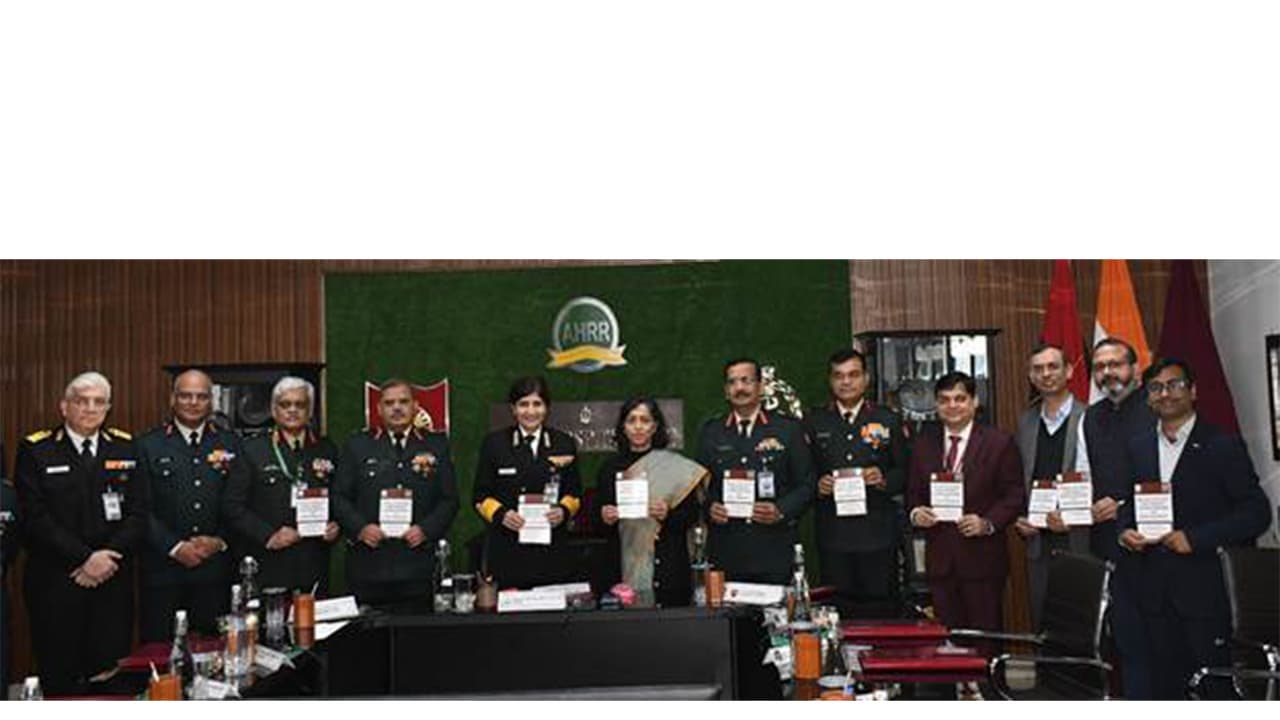
This AI-based collaboration was formally inaugurated at Army Hospital Research and Referral, New Delhi, by Surgeon Vice Admiral Arti Sarin, Director General Armed Forces Medical Services and Professor Radhika Tandon, Chief of Dr. Rajendra Prasad Centre for Ophthalmic Sciences. The launch marks a historic collaboration that seeks to protect the vision of millions of Indians living with diabetes, while simultaneously building a real-time national health intelligence system, according to a press release.
The Challenge of Diabetic Retinopathy in India
India is home to more than 65 million people with diabetes, making it one of the largest diabetic populations in the world. Studies show that 16.9 per cent of diabetics suffer from DR, while 3.6 per cent face vision-threatening DR (VTDR). Without timely intervention, DR can silently progress to irreversible blindness. Yet, early detection and treatment can prevent up to 90 per cent of vision loss.
The challenge is compounded by workforce limitations. India has approximately 27,000 ophthalmologists, but only about 10 per cent are trained vitreoretina specialists. This shortage makes it difficult to provide specialist care at scale, especially in rural and underserved regions.
MadhuNetrAI: The AI-Powered Solution
At the heart of the initiative is MadhuNetrAI, a web-based artificial intelligence tool developed by RPC. It enables screening, accurate grading and triaging of retinal images captured through handheld fundus cameras. By empowering trained medical officers, nursing staff, and assistants to conduct frontline screening, this AI software bridges the gap between limited specialist availability and the vast need for early detection.
Building a National Health Intelligence System
Beyond its clinical utility, the platform functions as a national health intelligence project. It will generate real-time data on prevalence, case numbers, and geographic distribution of DR, providing policymakers with evidence to guide manpower planning, resource allocation, and long-term health strategies.
Nationwide Pilot Program
The AFMS will implement the model across seven diverse pilot sites – Pune, Mumbai, Bangalore, Dharamshala, Gaya, Jorhat, and Kochi – strategically chosen to represent the far reaches of the country. From the bustling metros of Maharashtra and Karnataka to the Himalayan foothills of Himachal Pradesh, the heartland of Bihar, the tea-growing districts of Assam in the Northeast, and the coastal belt of Kerala in the South, this spread ensures that the initiative touches urban, rural, hilly, and remote communities alike.
By covering such varied geographies, the project demonstrates its commitment to inclusivity and scalability, proving that AI-driven eye health can be delivered not only in major cities but also in resource-limited and hard-to-reach regions across India.
Training and Community Outreach
Each site will deploy teams consisting of Medical Officers and Nursing staff who will undergo intensive one-week training at RPC, focusing on the operation of handheld fundus cameras and the use of AI software. Once trained, they will conduct large-scale community screening in resource-limited settings, ensuring that early detection reaches populations far beyond urban centres.
Seamless Patient Referral and Care
Once individuals are detected with Diabetic Retinopathy during community screening, they will be referred to endocrinologists for optimal diabetic control, a critical step in preventing further progression and sequelae of the disease. In cases where vision-threatening DR (VTDR) is identified, patients will be directed to vitreoretina specialists at designated District Hospitals for advanced management and treatment.
The District Health Administration plays a pivotal role in coordinating these referral pathways, ensuring timely access to specialist care, and integrating DR management into broader noncommunicable disease programs. By linking frontline screening with district-level specialist services, the initiative establishes a seamless continuum of care that strengthens local health systems and safeguards vision at scale.
A Vision for Future Healthcare
A Compendium detailing methodology and guidelines was released during the launch, underscoring the scientific rigour behind the project. The efforts of Brig SK Mishra, HOD & Consultant Ophthalmology at AHRR, were acknowledged as instrumental in establishing this prestigious collaboration.
This initiative is designed not merely as a pilot but as a scalable, replicable model for nationwide adoption. By combining the reach of the Armed Forces, the academic leadership of AIIMS, and the digital capabilities of MoHFW, the program sets a precedent for how India can harness AI to address pressing public health challenges.
The launch of this programme represents more than a technological milestone; it is a vision for the future of healthcare delivery in India. With diabetic blindness emerging as a major public health concern, this collaboration demonstrates how cross-sector partnerships can create sustainable solutions. By integrating cutting-edge AI with grassroots outreach, India is taking a decisive step toward ensuring that millions of citizens retain their sight, productivity, and quality of life. (ANI)
(Except for the headline, this story has not been edited by Asianet Newsable English staff and is published from a syndicated feed.)